






Steel: Why It’s One of the World’s Most Reusable Engineering Materials
Steel: Why It’s One of the World’s Most Reusable Engineering Materials
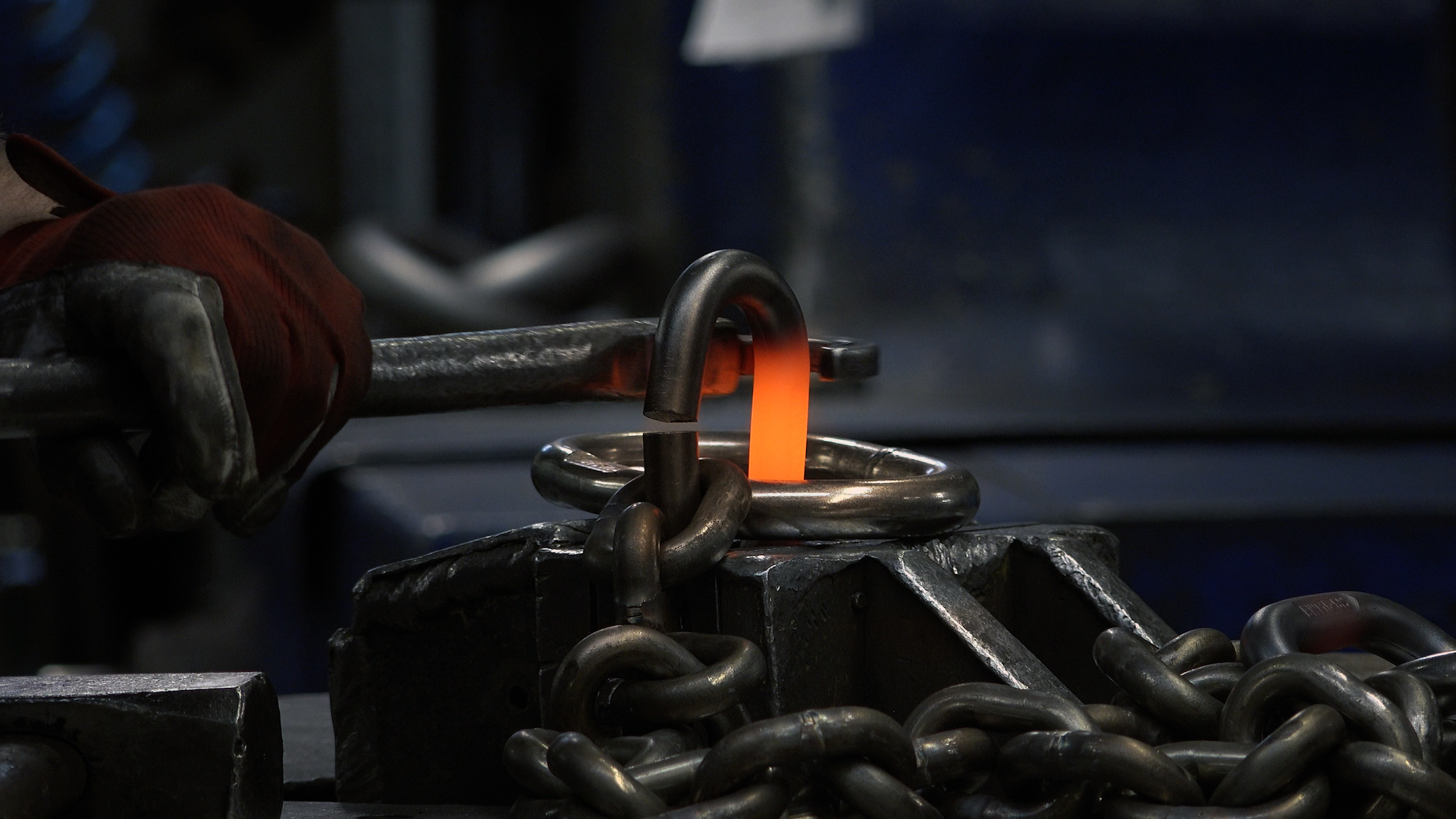
From lifting chains and shackles to conveyor systems and tyre protection chains, many of pewag’s products are made from steel. Steel’s strength and durability are well known, but you may be surprised at just how sustainable it is.
Steel is, by a wide margin, the world’s most recycled industrial material. Unlike plastics, which lose strength and quality with every reprocessing cycle, steel can be melted down and reformed indefinitely without any degradation in its mechanical properties. That’s why steel sits at the centre of a genuinely circular manufacturing model.
Why Steel Can Be Recycled Without Losing Its Properties
To understand why steel is such an effective material for circular manufacturing, it helps to know what actually happens when it’s recycled.
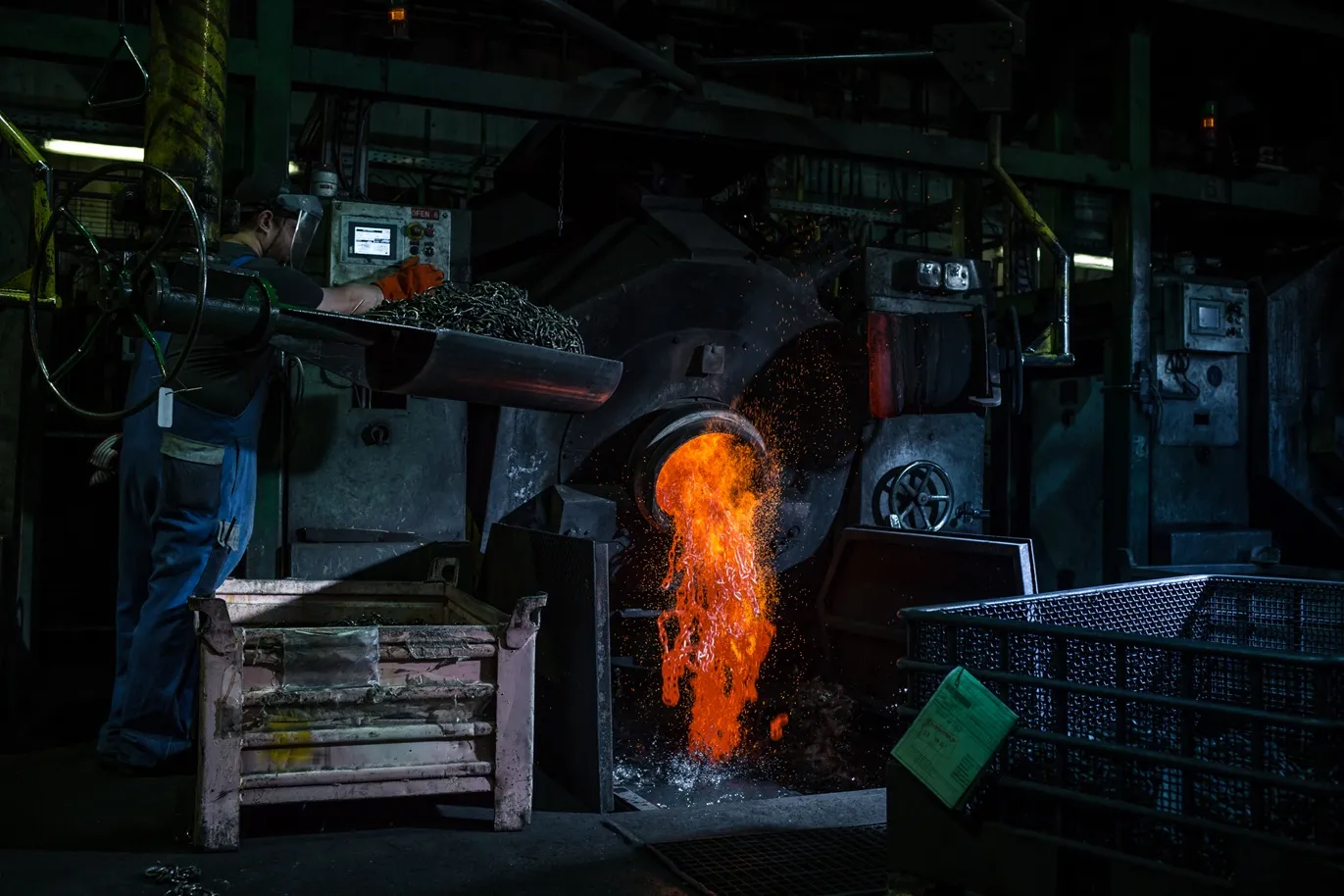
Steel is an alloy, made up primarily of iron with a small amount of carbon. When steel scrap is melted down, the iron atoms don’t break down or change their fundamental nature – they’re simply released from one crystalline structure and reformed into a new one as the metal cools. It’s a physical transformation, not a chemical one, so the resulting steel is structurally identical to the material that went in.
This is very different from how most other common materials behave. Plastics, for example, are built from long polymer chains that shorten and weaken every time they’re reprocessed, which is why recycled plastic is typically “downcycled” into lower-grade applications rather than reused for the same purpose.
Steel doesn’t have that limitation. Any batch of recycled steel can be returned to the highest-grade application, including structural beams, load-bearing chains, or precision-engineered components, provided the composition is properly managed during melting.
That quality control happens in a stage called secondary steelmaking, where fluxing agents such as lime are added to the molten bath to remove “tramp elements” like copper or tin that could otherwise affect the final steel’s performance. Get that process right, and there is effectively no limit to how many times a given tonne of steel can be melted down and reused.
Steel’s magnetic properties also make it unusually easy to recover from the general waste stream. Ferrous scrap can be separated from other materials quickly and cheaply using magnets, which is one of the reasons steel recycling infrastructure is so well established compared with other materials and one of the reasons steel is consistently the world’s most recycled material by tonnage, more than paper, plastic, aluminium and glass combined.
The Environmental Case for Recycled Steel
The environmental savings from using recycled steel over virgin material are substantial and well documented:
Producing steel from scrap requires an estimated 60–75% less energy than producing it from virgin iron ore.
Every tonne of recycled steel avoids the need to mine approximately 1.4 tonnes of iron ore, along with the associated coal and limestone.
More specifically, recycling a single tonne of steel is estimated to conserve around 2,500 pounds of iron ore, 1,400 pounds of coal, and 120 pounds of limestone, plus all the energy that would otherwise go into mining and transporting them.
In the UK specifically, the overall average end-of-life recovery rate for steel from buildings has been estimated at 96%, based on industry surveys and because this is true closed-loop recycling, every tonne of scrap recovered substitutes one tonne of primary steelmaking, again and again, without any drop in performance.
Recycling rates are similarly high across other steel-heavy sectors: around 95% for end-of-life vehicles and more than 90% for appliances, driven by steel’s high economic scrap value as much as by regulation.
How This is Demonstrated in pewag Group’s Own Operations
Steel and its recyclability sit right at the centre of pewag group’s resource use and circular economy strategy, as set out in our latest Sustainability Report. A few figures from the 2025 reporting year illustrate what that looks like in practice:
pewag Austria GmbH and its subsidiaries generated 3,466 tonnes of waste in 2025, of which 83% was recycled – consistent with the 80% recycling rate achieved the previous year.
Of that recyclable waste, steel scrap accounted for 2,030 tonnes – by far the largest single recovered material stream, ahead of paper and cardboard, wood, plastic, and other recyclables combined.
Total resource inflows for production stood at 23,995 tonnes, the large majority of it steel and aluminium sourced regionally wherever possible.
pewag’s products: lifting solutions, tyre protection chains, forestry chains, conveyor systems and hoist chains are deliberately engineered for a long service life, with spare parts and repair services extending that lifespan further and improving recyclability at end of life.
In 2025, pewag launched pewag recycling, a pilot project giving used textile lifting accessories a second life: customers can return selected products to the company’s Austrian headquarters, where the materials are processed together with external partners and recovered resources are redirected into new applications such as insulation solutions.
Packaging is designed with the same circular thinking: pewag’s wooden crates are intended for multiple reuse cycles rather than single use.
None of this happens by accident. It’s built into pewag group’s stated approach to resource use and circular economy, which focuses on four principles: longevity, reusability, repairability and recycling with steel’s near-limitless recyclability doing much of the heavy lifting behind that strategy
You can read the full breakdown of pewag group’s resource use, waste, and circular economy performance, along with the rest of our environmental, social and governance data, in the 2025 Sustainability Report.
Discover More
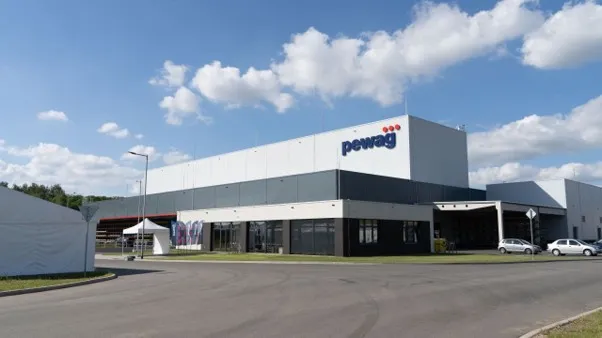
The opening of pewag’s new production facility in the Czech Republic was a chance for team members and customers to get together.
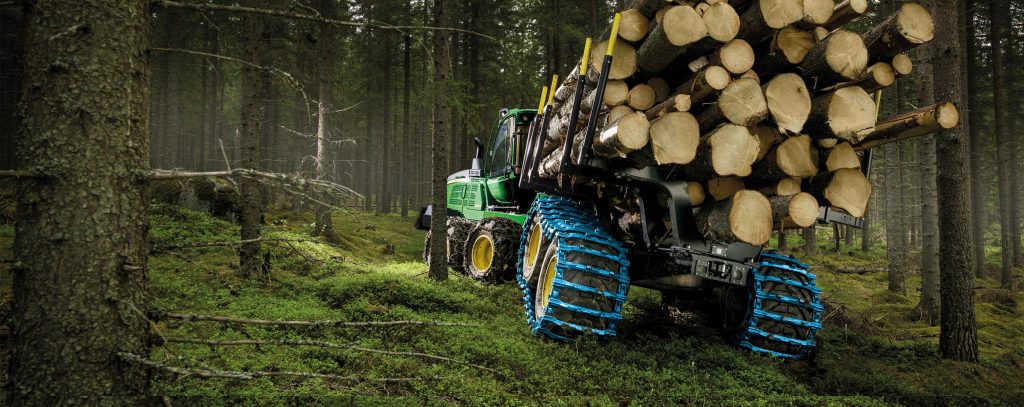
pewag forestry tracks are engineered to deliver reliable grip on forest terrain. Explore the bluetrack range.
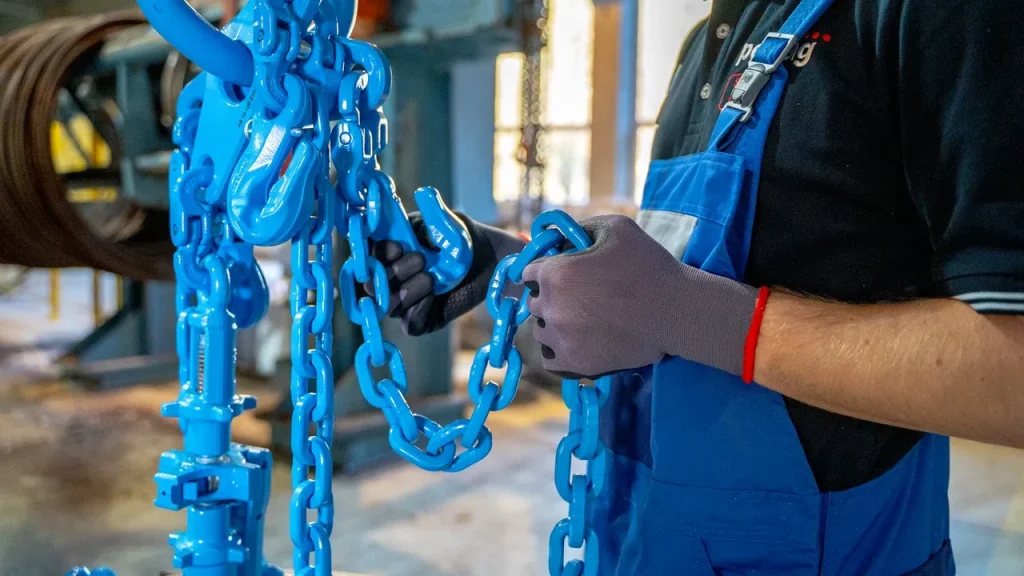
The latest innovation in chain slings is here. Introducing the G12 Plus range from pewag.
pewag Sustainability Report 2025: Our Progress Towards CO₂-Neutral Production
For pewag, sustainability isn’t a recent trend, it’s a value rooted in a company history stretching back to 1479. The pewag Sustainability Report 2025, the fourth consecutive report published by pewag austria GmbH, shows just how much steady, long-term commitment can achieve. Here are the highlights.
A 26% reduction in our carbon footprint
The headline figure is a clear one: in 2025, pewag austria GmbH reduced its corporate carbon footprint by 2,656 tonnes of CO₂, a 26% cut against the 2022 baseline. This puts the company firmly on the path to its central goal: CO₂-neutral production (Scope 1 and 2) by 2030, in line with the Paris Agreement and the EU Climate Law.
Cleaner energy, greener fleet
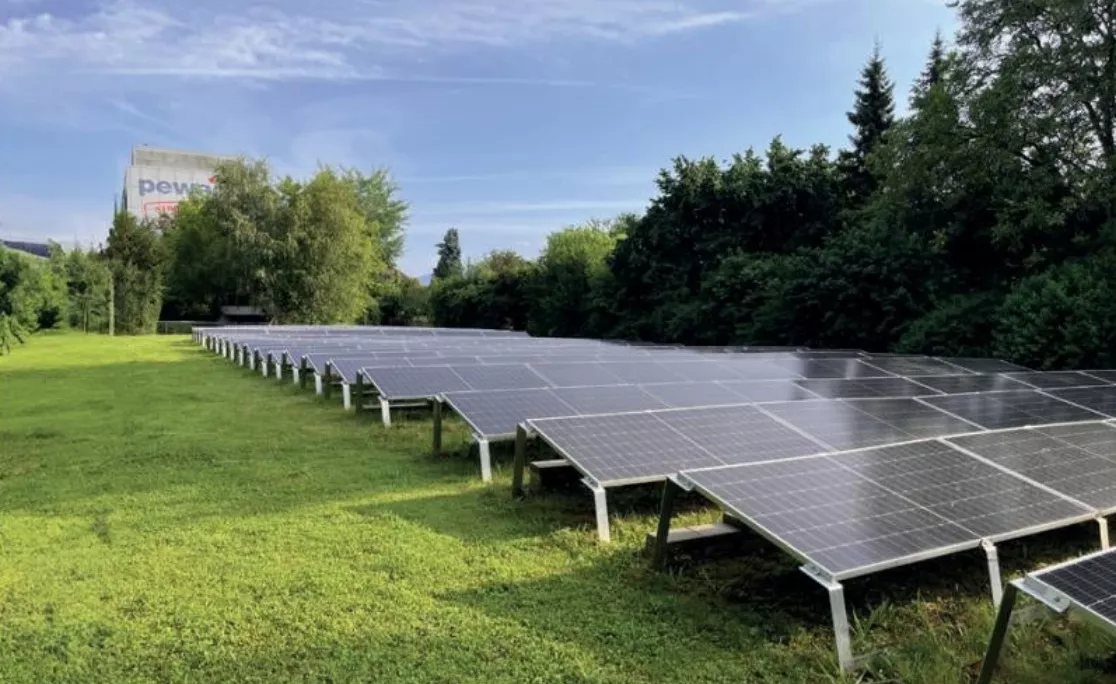
Manufacturing in the metal industry is energy-intensive, which makes pewag’s energy mix all the more notable. The share of renewable energy held steady at 32%, comfortably above the EU average of 25%. Thanks to in-house photovoltaic systems, a hydroelectric plant and a biomass power plant, more than 15 pewag sites are now powered by self-generated green energy.
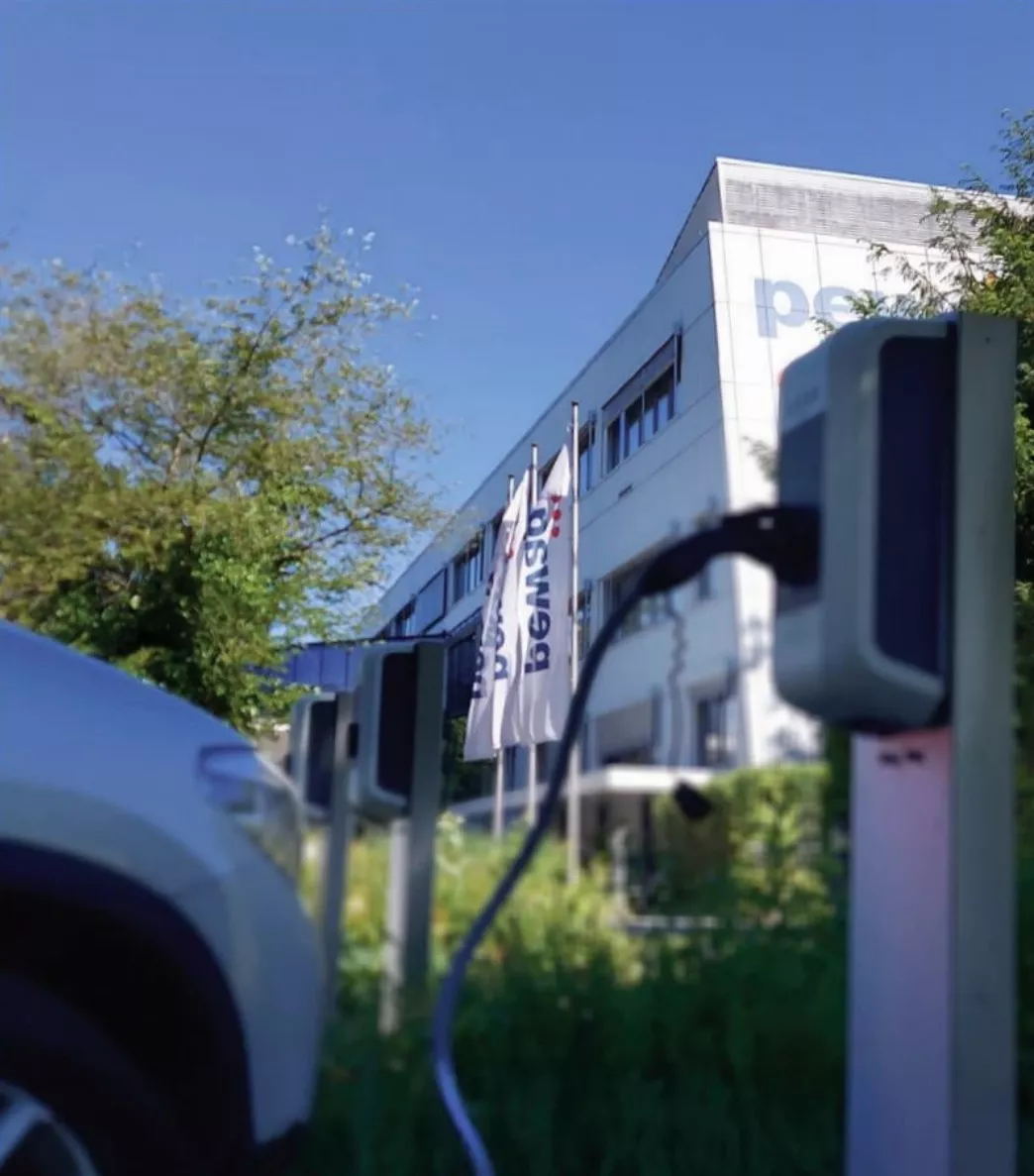
The company fleet is changing too: the share of kilometres driven by electric vehicles rose to 15% in 2025 – a 45% increase on the previous year, with fossil-fuelled transport falling accordingly.
Designing out waste
pewag products are built to last, and durability is a sustainability strategy in itself. The company is also embracing the circular economy: in 2025, 83% of waste was recycled, and a new pilot project, pewag recycling, now gives used textile lifting accessories a second life as materials for new applications such as insulation.
People matter too
Sustainability extends to pewag’s 1,459 employees. In a traditionally male-dominated industry, the share of women in leadership roles climbed from 17% to 22%, an above-average result, while the report was independently audited by an external auditor for the third year running.
Together, these results reflect a values-based approach to long-term change. To explore the full picture, including detailed ESG data and pewag’s contribution to all 17 UN Sustainable Development Goals, read the complete pewag Sustainability Report 2025.
Discover More
The opening of pewag’s new production facility in the Czech Republic was a chance for team members and customers to get together.
pewag forestry tracks are engineered to deliver reliable grip on forest terrain. Explore the bluetrack range.
The latest innovation in chain slings is here. Introducing the G12 Plus range from pewag.
Shaping a Future of Responsibility
At pewag group, sustainability is not just an ambition – it’s a responsibility. Our goal is clear: CO2 neutral production by 2030. In alignment with the Paris Agreement and the EU Climate Law as well as United Nation’s Sustainable Development Goals, we’ve implemented robust measures aimed at transitioning to renewable energy and preserving resources while creating a safe and inclusive workplace. Sustainability at pewag is a comprehensive approach that covers not only environmental stewardship but also social responsibility and business ethics.
Harnessing Renewable Energy for a Greener Tomorrow
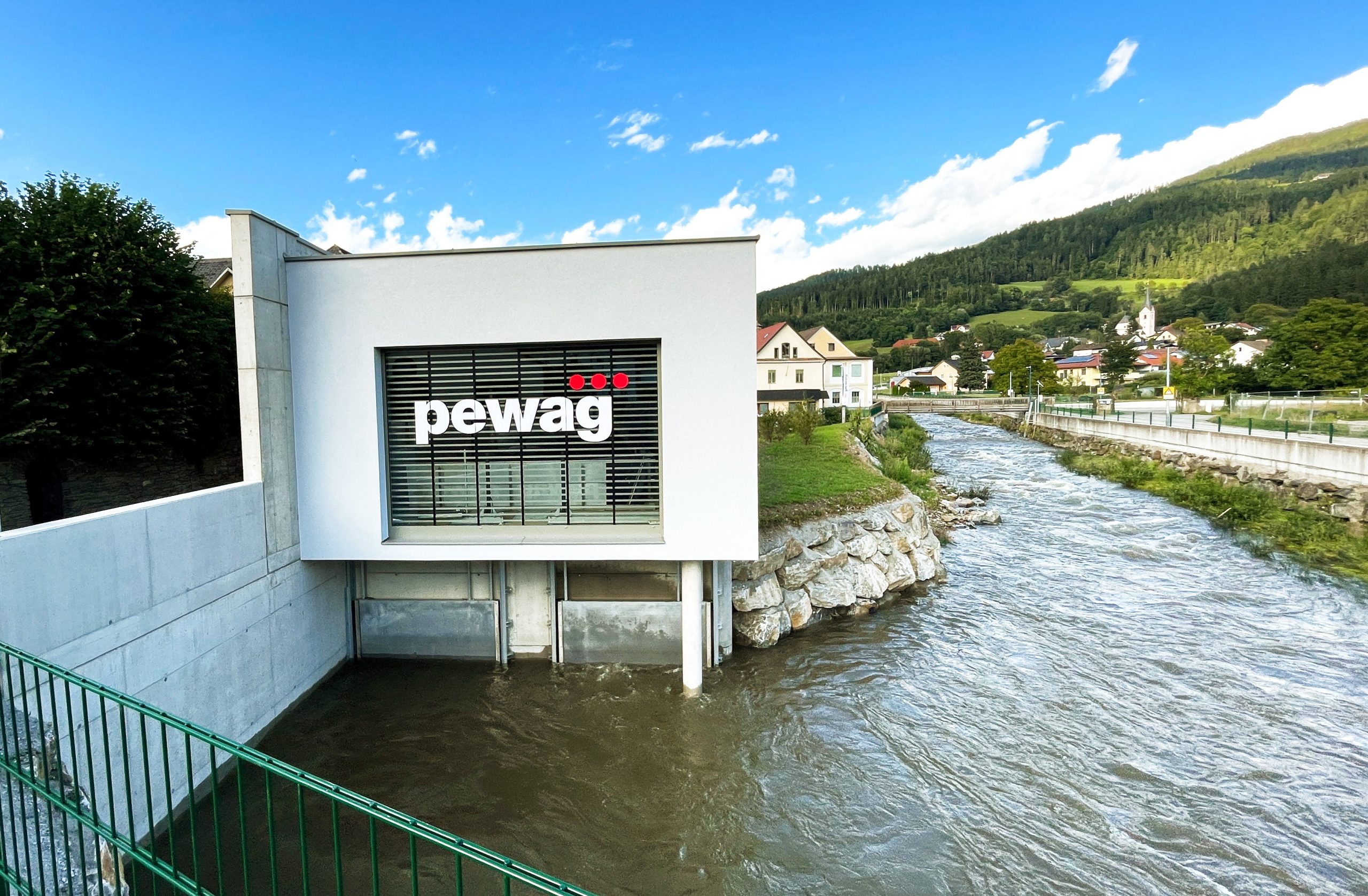
A pivotal part of our sustainability journey is our commitment to self-generated renewable energy. Since 2021, we’ve installed numerous photovoltaic systems and a biomass thermal power plant alongside two existing hydropower plants, generating over 7,754 MWh of clean energy annually. This is equivalent to powering around 2,582 households. In 2023 alone, pewag (group) reduced its carbon footprint by over 4,076 tons – comparable to planting 122,280 trees. These achievements reflect our deep-rooted commitment to take action against climate change and creating lasting environmental impact.
Embracing Social Responsibility and Corporate Ethics
At pewag, sustainability extends beyond environmental efforts. We believe in fostering a safe, inclusive workplace where diversity and equality are valued. Our high ethical standards are upheld through stringent guidelines and a robust code of conduct. These actions promote a fair and transparent corporate culture that drives both economic success and social equity.
A Circular Approach to Business
Our focus on sustainability doesn’t stop with energy. We continually optimise our product quality, and together with providing spare parts and repair services, this significantly extends the product life cycle. We are actively reducing waste and improving product recyclability, essential components of our circular economy strategy. In 2023, 83 % of our 7,474 tons of waste was recycled. Beyond that, we are continuously refining our production processes, advocating for e-mobility, and adopting energy-efficient LED lighting to reduce our energy consumption. Thanks to these efforts, 27 % of pewag’s energy needs were met by renewable sources in 2023.
Responsible Water Management
We also take a proactive approach to water. In our production processes, water is used in a closed-loop system to minimize water consumption and prevent contamination. Our hydropower plants are designed to sustain fish populations, further highlighting our commitment to responsible natural resource management.
Driving Innovation for a Sustainable Future
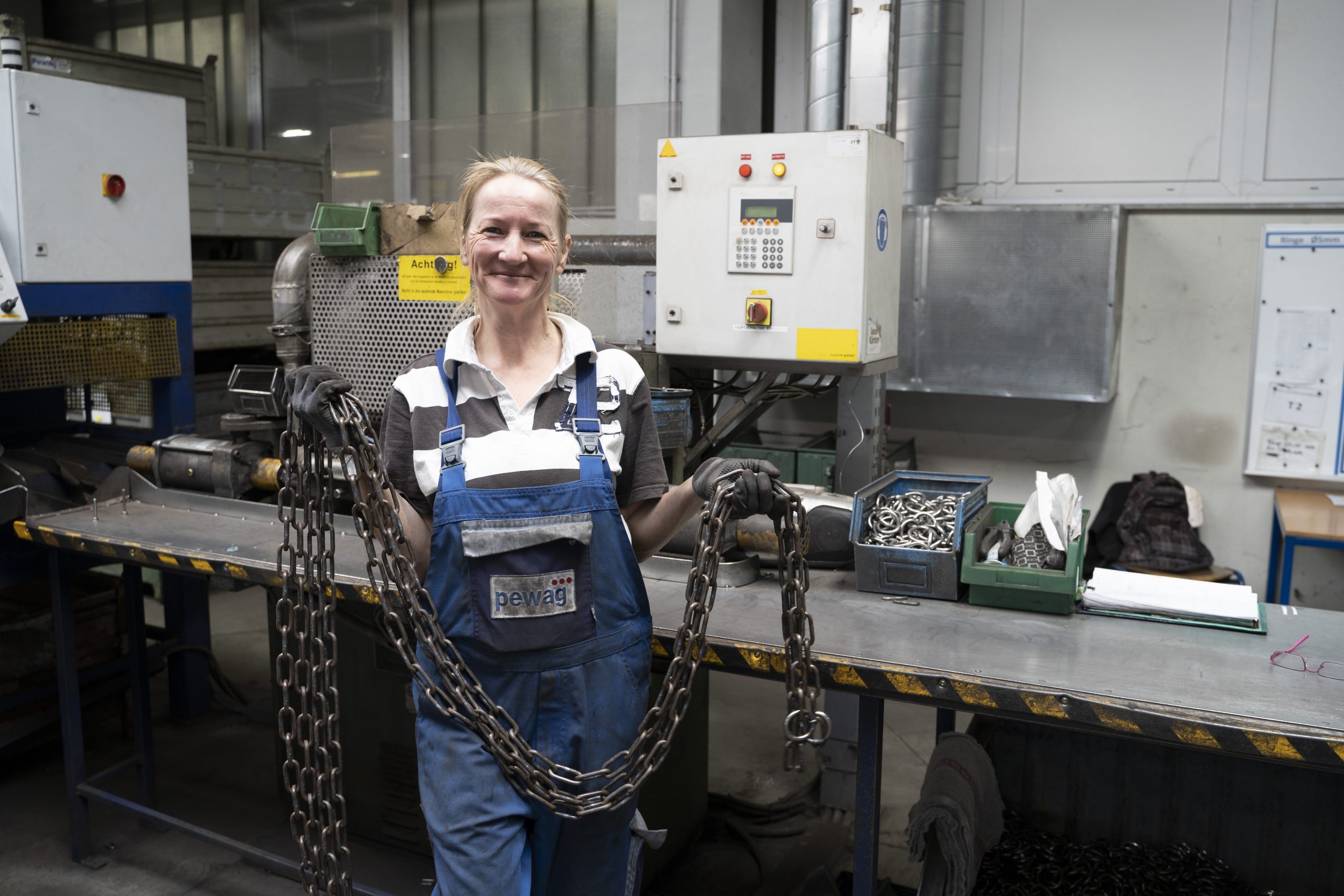
Through all of these initiatives, pewag (group) strengthens its position as a leader in sustainable industrial practices. Our ongoing efforts are a testament to our unwavering dedication to environmental protection while driving innovation. By embedding sustainability into every link of our chain, we aim to continue optimizing processes and setting new standards in the industry.
Join Us in Building a Stronger Tomorrow
Explore how we are forging a sustainable future, one link at a time. Learn more about our green initiatives and discover the innovative solutions that will shape the world of tomorrow.
Discover More
The opening of pewag’s new production facility in the Czech Republic was a chance for team members and customers to get together.
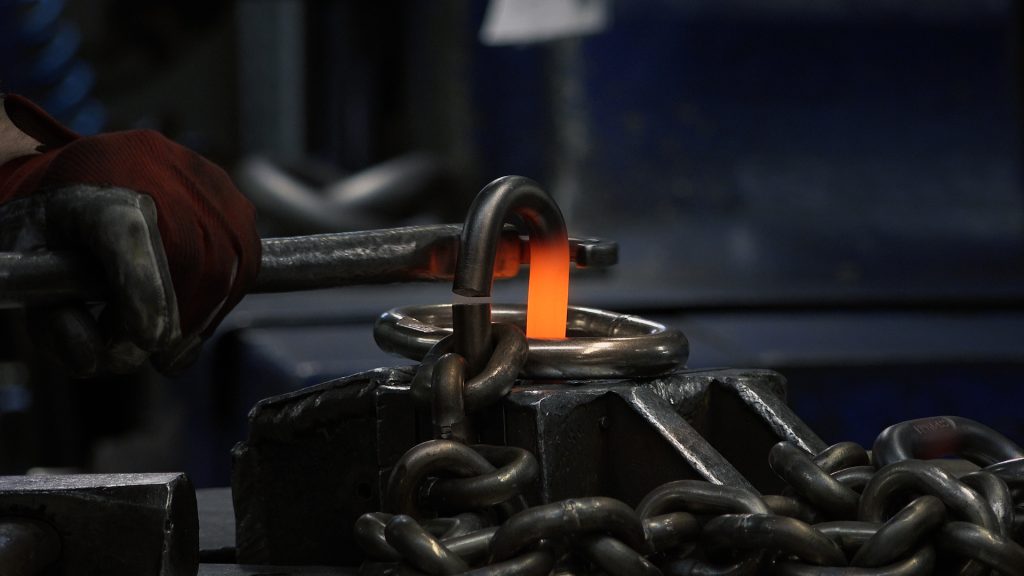
Steel’s strength and durability are well known, but you may be surprised at just how sustainable it is.
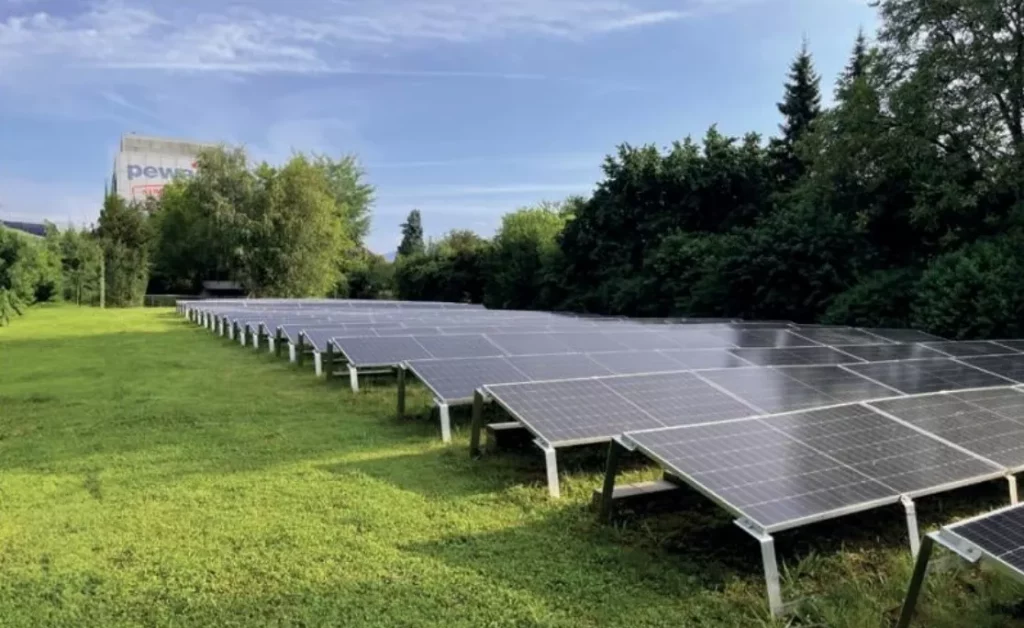
The pewag Sustainability Report 2025, the fourth consecutive report published by pewag austria GmbH, shows just how much steady, long-term commitment can achieve.
pewag forestry Pushes Resource-Saving Manufacturing
Surplus material during production is 100 % recycled
In the production of forestry chains and forestry tracks, 100 % of the surplus material is recycled when the cross members are cut off. The raw steel for the cross members is delivered in bars as yard goods and the cross members are cut off from it. Depending on the type of cross member, a piece of residual material remains which cannot be used for any other cross member.
in order to avoid remelting this residual material and reprocessing it at high energy cost, pewag uses it to manufacture the stubs for the forestry tracks. In this way, we ensure that materials are used without residues and resource-saving production is guaranteed.

For more security in the forest – pewag forestry products!
We are pleased to give you advise and help you to find your forestry product. Write an email to forestry@pewag.com or call our customer service +43 505011 – 0 for further assistance.
More details about our forestry products.
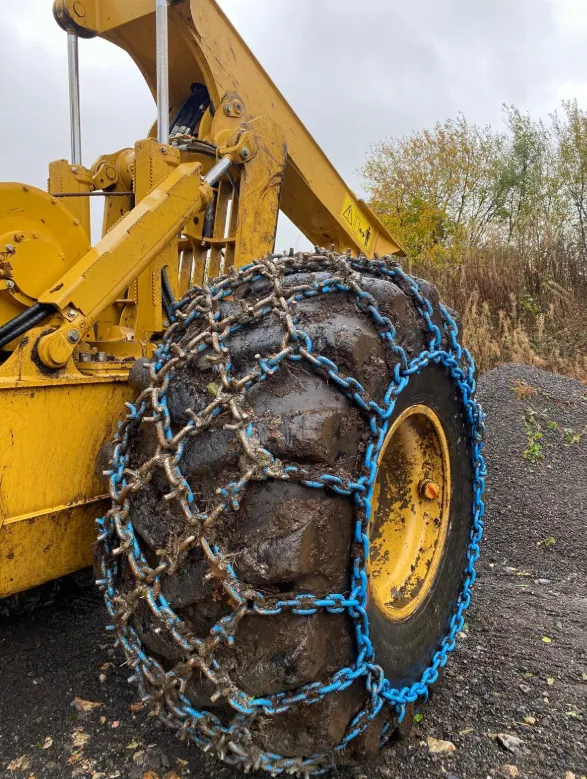
pewag has spent more than a century solving the problem of forestry traction and its forstgrip traction chains bring the latest advances to market.

Forestry experts need dependable traction to work safely. pewag bluetrack flow-perfect delivers optimal performance on rugged terrain.

In Vamberk, Czech Republic, pewag manufactures forestry bogie and single wheel tracks using cutting-edge robotic technology, adhering to the highest quality standards.
Groundbreaking ceremony for the construction of a new hydropower plant
pewag invests in renewable energies and builds a new hydropower plant at the production site in Brückl, Carinthia.
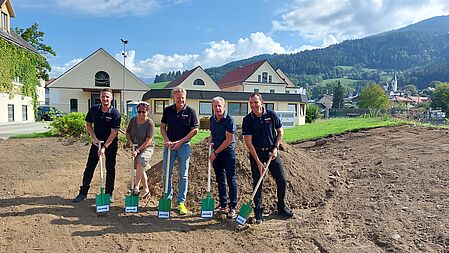
Hydroelectric power
The use of hydropower has a long history in pewag’s production. The first water right notice recorded in the Carinthia water register regarding the plant dates back to 1905. Today, about 10% of the annual electricity demand of the chain plant is covered by the existing hydropower plant, but its service life has already passed.
Our owner. Mr. DI Ägyd Pengg therefore made the decision to rebuild the power plant and thus to produce about 40 % of the required electricity himself in the future.
After the necessary procedure with the authorities, which took several years, all necessary notices have now been issued and the construction work could be started accordingly. A big thank you to all involved authorities and involved neighbors.
Photovoltaics
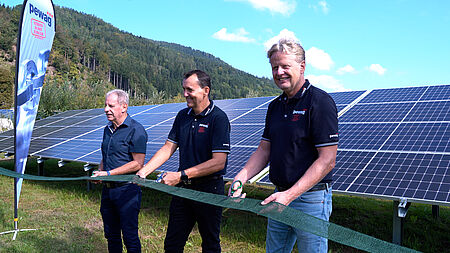
In 2020, a state-of-the-art photovoltaic plant was also built at the Brückl site, which was expanded again in 2022. The plant has a rated output of 1,000 kilowatt peak (kWp), producing 1.3 gigawatt hours. This is roughly equivalent to the annual energy needs of 333 households.
Converted to greenhouse gas emissions, the photovoltaic system can also save more than 800,000 kilograms of CO2 per year.
pewag forestry focuses on resource-efficient manufacturing by ensuring all surplus materials are 100% recycled.
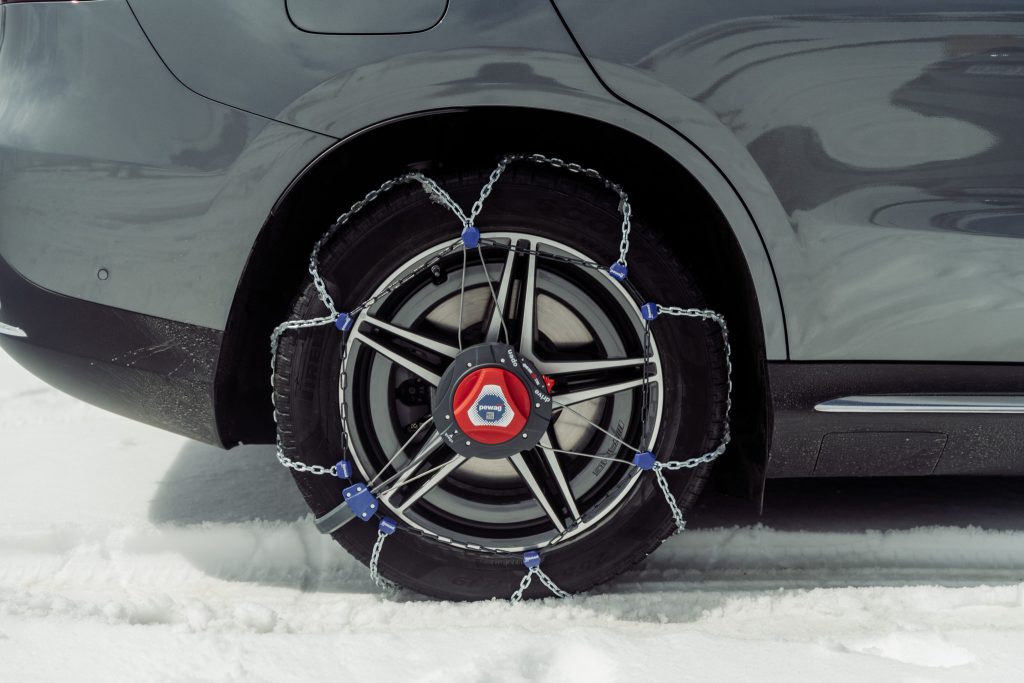
The new external snow chain for small SUVs and Crossovers with zero clearance on the wheel inside.
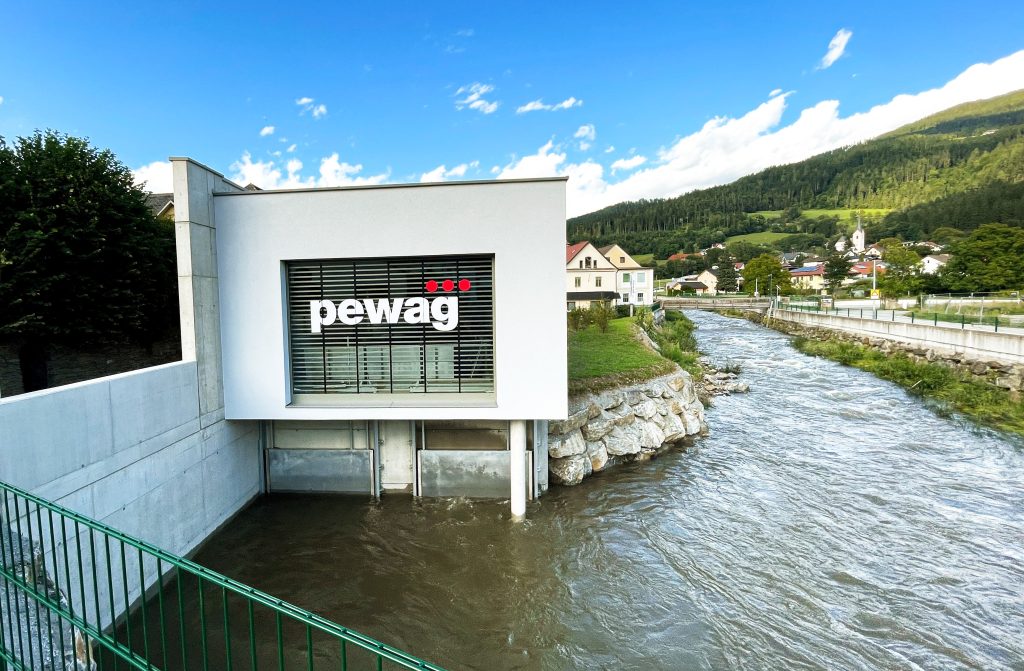
At pewag group, sustainability is more than just an ambition – it’s our responsibility. Our clear goal: CO₂-neutral production by 2030.