



Below the Hook Lifting: Safety Solutions at Every Stage
Below the hook lifting refers to all the equipment and rigging between the crane hook and the load itself — from lifting points and slings through to spreader beams and load monitoring. Getting this part of the lift right is where LOLER compliance meets practical safety, and where small equipment choices have the biggest impact on risk reduction.
As part of our Safer Together campaign, our specialist lifting brands – Modulift, Load Monitoring Systems (LMS), Aberdeen Web (AWL) and pewag UK – are spotlighting how straightforward equipment choices can make a measurable difference to safety and efficiency across a complete lift journey.
The lift journey (real-world example)
A heavy breakbulk component is moved around the workshop, lifted onto a truck, transferred at the port, and then safely positioned – using safer lifting points, lighter slings, faster rigging, and real-time load control at each stage.
Below is how each product fits naturally into the lift – and why it matters.
1) Pre‑lift preparation: start safe before the first pick
pewag Bolt Cutting Service / pewag Bolt Cutter
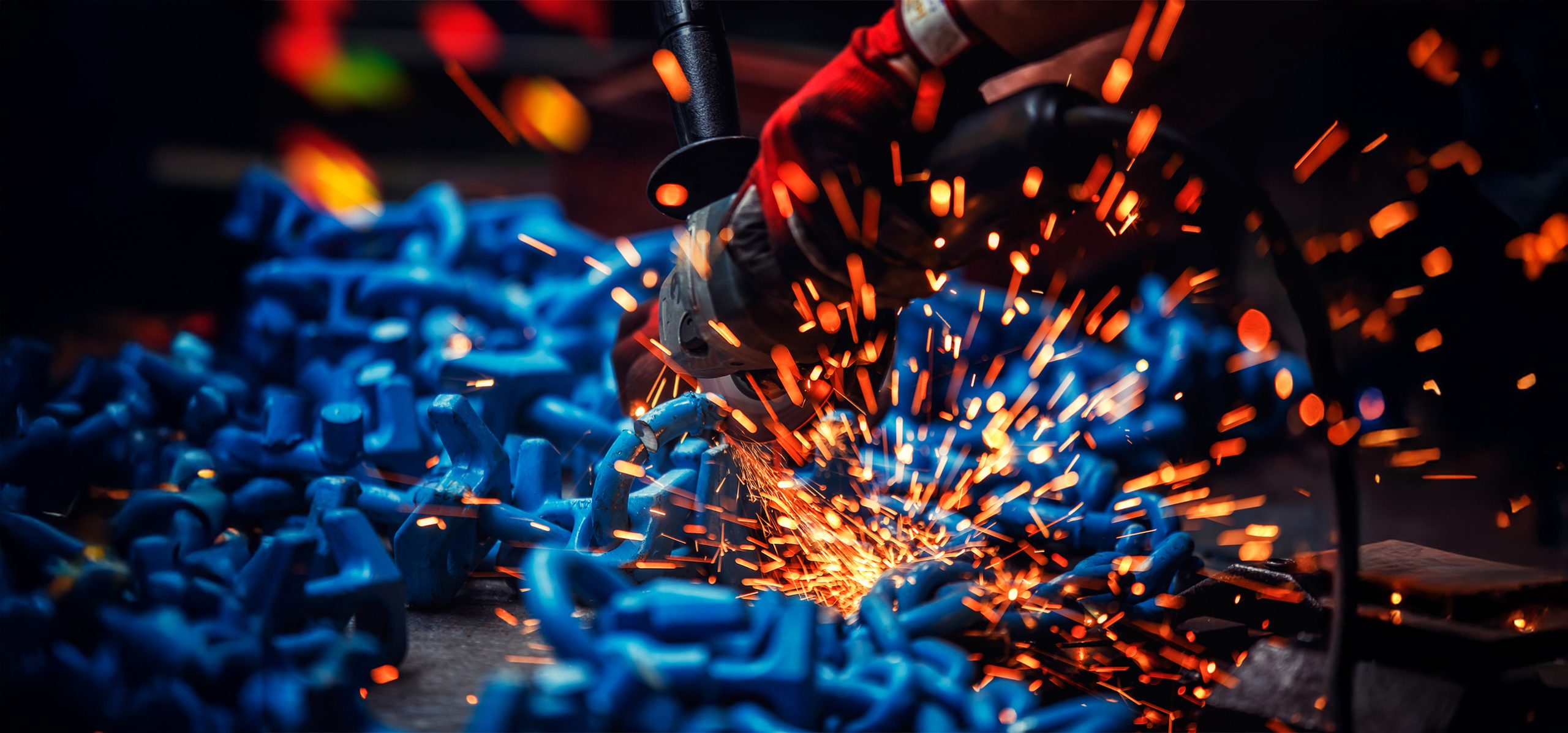
Before lifting begins, bolts used in lifting point assemblies or fixtures may need cutting or finishing. The pewag Bolt Cutter provides a controlled method that helps avoid improvised cutting techniques, producing a smooth chamfered finish while supporting the integrity of certified hardware.
Stage of the journey: Pre‑lift preparation – used before lifting to cut/finish bolts safely.
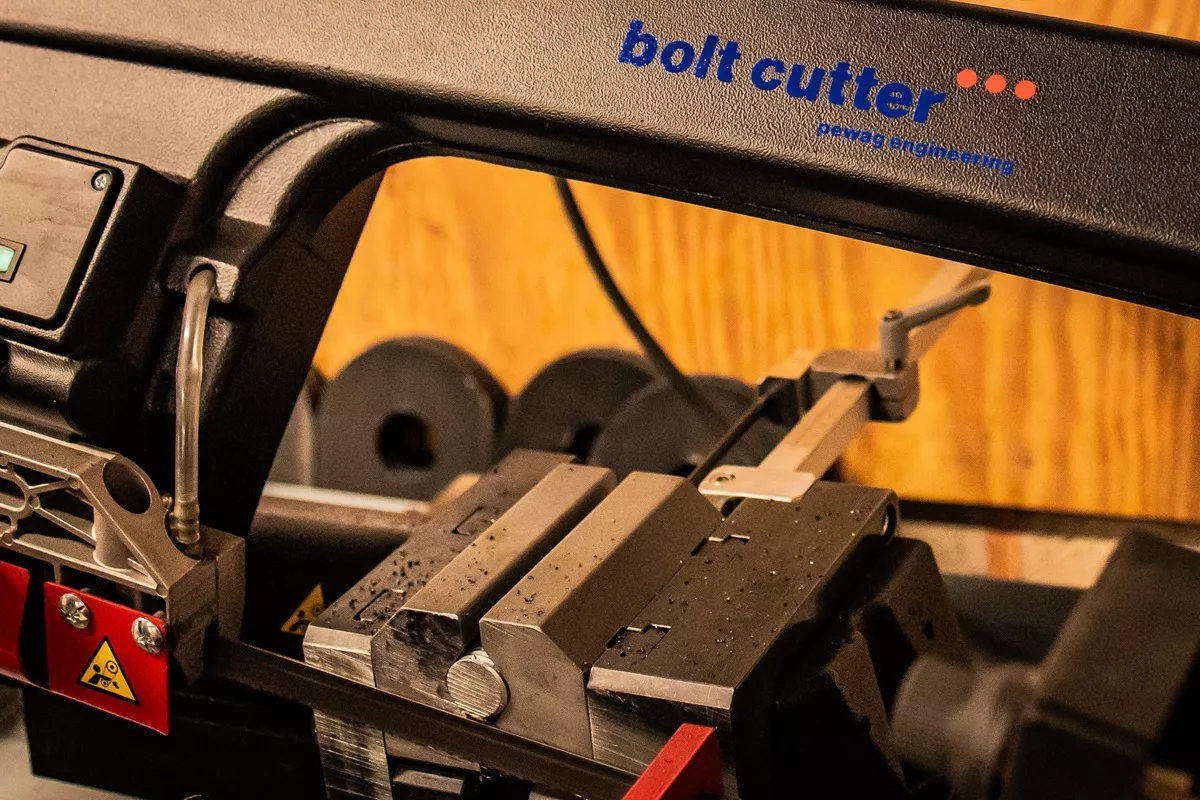
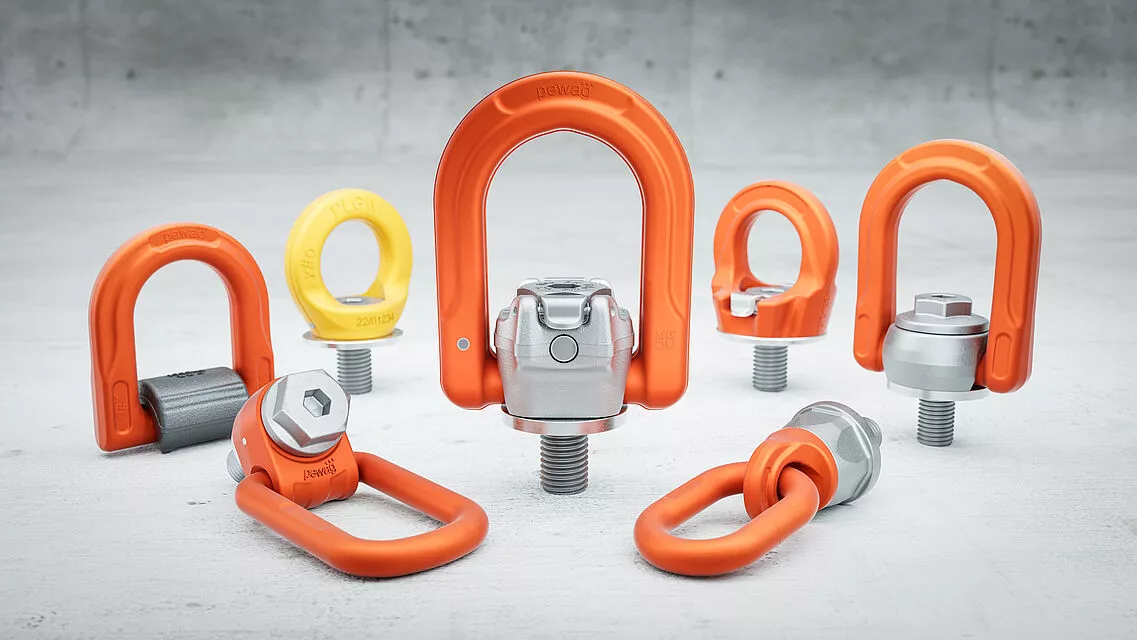
pewag Bolt Cutting Service is Available on pro point lifting points
2) Workshop moves: quicker repositioning with a temporary pick point
PLZW R Rapid Lifting Point
In workshop handling and internal moves, loads often need to be turned, repositioned, or shifted between bays. The PLZW‑R creates a fast, temporary pick point and is designed for tool‑free temporary use, with a visual indicator to confirm secure attachment and a protective sleeve to help prevent surface damage.
Stage of the journey: Workshop move / repositioning – used when adding a temporary pick point to move or rotate the load before the main lift.
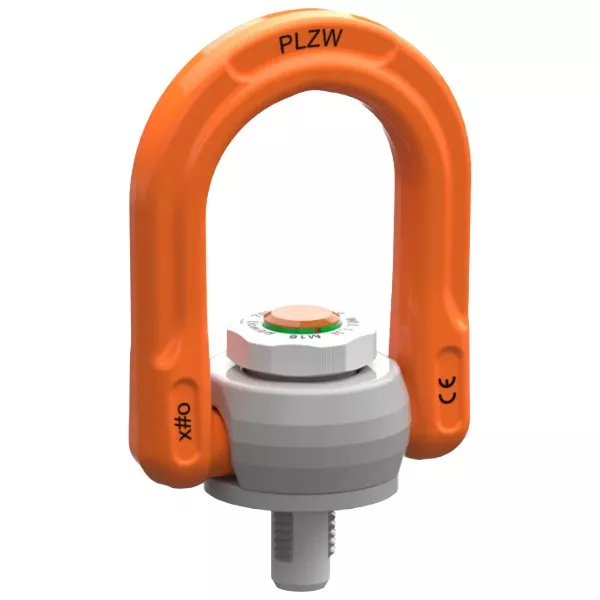
pewag PLZW-R rapid lifting point
3) Slinging up: reduce manual handling on every pick
Polyester Round Slings (Tough Sleeve options)
Every lift starts with attaching the load to the rigging – and that’s where manual handling can add up. Polyester Round Slings are a widely used alternative to wire rope slings to reduce manual handling risks, and tough sleeve designs add durability and cut/abrasion resistance to help reduce sling damage over repeated lifts. Polyester round slings also contribute to a lower overall rigging weight when compared to chains & wire rope.
Stage of the journey: Slinging / connection – used when attaching the load to the lifting system for each pick (workshop, yard, truck, port).
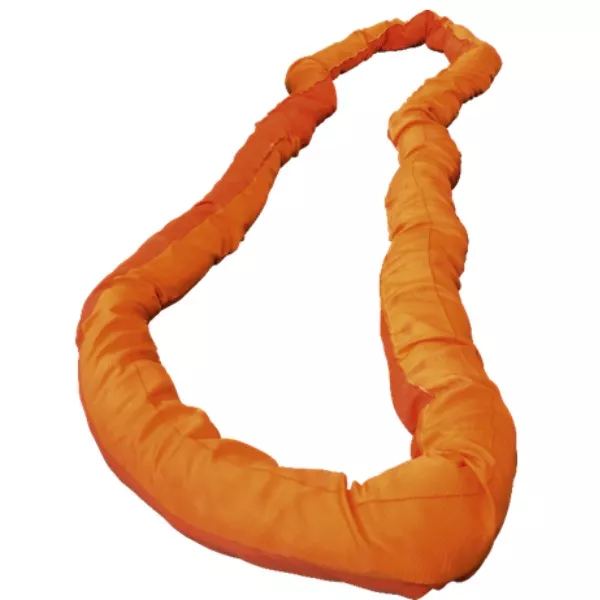
Aberdeen Web round sling
4) Main crane lifts: faster rigging and steadier control on heavy loads
Modulift Trunnion Spreader Beam
Heavy breakbulk lifts often involve large, complex rigging arrangements. The Modulift Trunnion Spreader Beam is designed to make those lifts safer and faster by reducing rigging components and manual handling. Its shackle‑free end unit design allows direct sling connection, helping reduce rigging weight and simplify setup while maintaining modular flexibility.
Stage of the journey: Main crane lift (truck ↔ port ↔ vessel) – used between the hook and slings to spread/stabilise the load during heavy lifts.
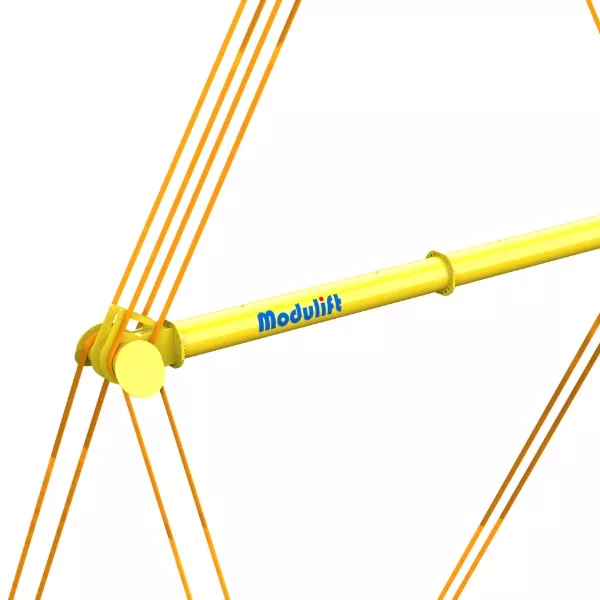
Modulift Trunnion Spreader Beam
5) During the lift: confirm real loads in real time
LMS Load Pin Shackle
Even well‑planned lifts can change due to load shift, snagging, or tight clearances. The LMS Load Pin Shackle is a compact monitoring option for low‑headroom or restricted setups, providing accurate load data with a 5:1 safety factor and configurable alarms to warn when loads approach or exceed limits.
Stage of the journey: Live lift monitoring – fitted in the rigging to confirm actual load while the lift is underway, especially in tight headroom setups. For example, moving the component being lifted from the factory to the transport lorry, using angled slings.
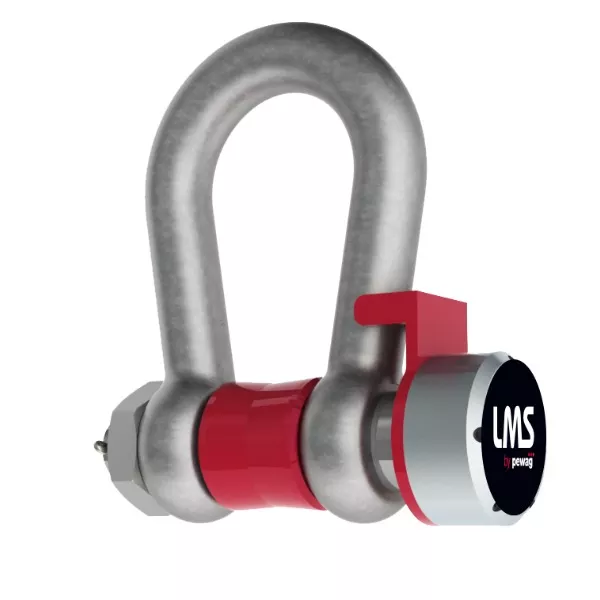
LMS Load Pin Shackle
Summary: safer decisions across the whole lift
From preparation and workshop handling to the main crane lift and real-time monitoring, this journey shows how a complete below‑the‑hook solution can reduce manual handling, simplify rigging, and improve control on critical lifts.
All equipment featured in this journey is selected to support LOLER-compliant lifting operations, helping teams meet their duty of care without adding complexity to the lift.
Safer Together is about making lifting operations safer through practical solutions that teams can apply immediately – one stage at a time.
Speak to one of our Lifting Experts to ensure your next lift is a safe lift.
Discover More
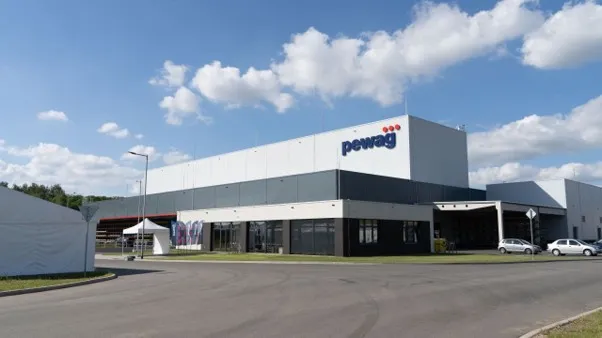
The opening of pewag’s new production facility in the Czech Republic was a chance for team members and customers to get together.

pewag forestry tracks are engineered to deliver reliable grip on forest terrain. Explore the bluetrack range.
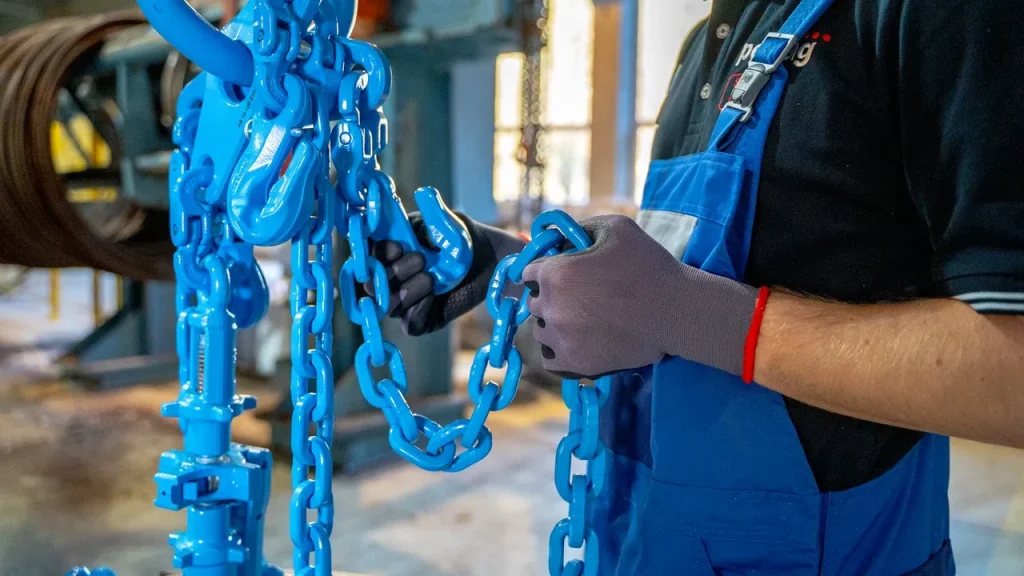
The latest innovation in chain slings is here. Introducing the G12 Plus range from pewag.