







Built to Keep Your Operations Moving: Introducing Our New Conveyor Chains and Components Catalog
Built to Keep Your Operations Moving: Introducing Our New Conveyor Chains and Components Catalog
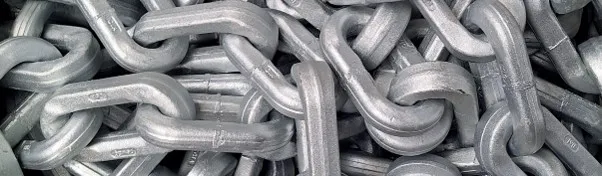
At pewag, we know that conveyor systems don’t get the luxury of unplanned downtime. Whether you’re handling bulk materials in a cement plant, moving grain through an agricultural facility, or running continuous extraction in a mining operation, the chain is the heartbeat of your process and it has to keep beating.
That’s why we’re proud to announce the launch of our new Conveyor Chains & Components catalog: a complete, 56-page technical guide to the high-performance chain solutions we’ve developed over more than five centuries of metallurgical expertise.
What’s Inside the Catalog
A Complete System Overview
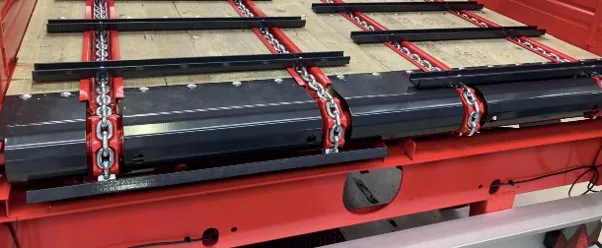
The catalog is built around the reality that a conveyor chain is never just a chain. It’s a system. That’s why we’ve brought together everything in one place: conveyor chains, connecting links, chain shackles, flight and bucket attachments, toothed and plain chain wheels, buckets, and custom solutions all presented with full technical specifications and compatibility matrices to make selection straightforward.
A dedicated bucket elevator configurator helps engineers identify the right system configuration based on discharge method, operating speed, chain type, and attachment requirements whether that’s a centrifugal or gravity discharge application.
The pewag hero Friction-Welded Chain
One of the centrepieces of the catalog is the pewag hero: our friction-welded chain that represents a genuine step forward in conveyor chain technology.
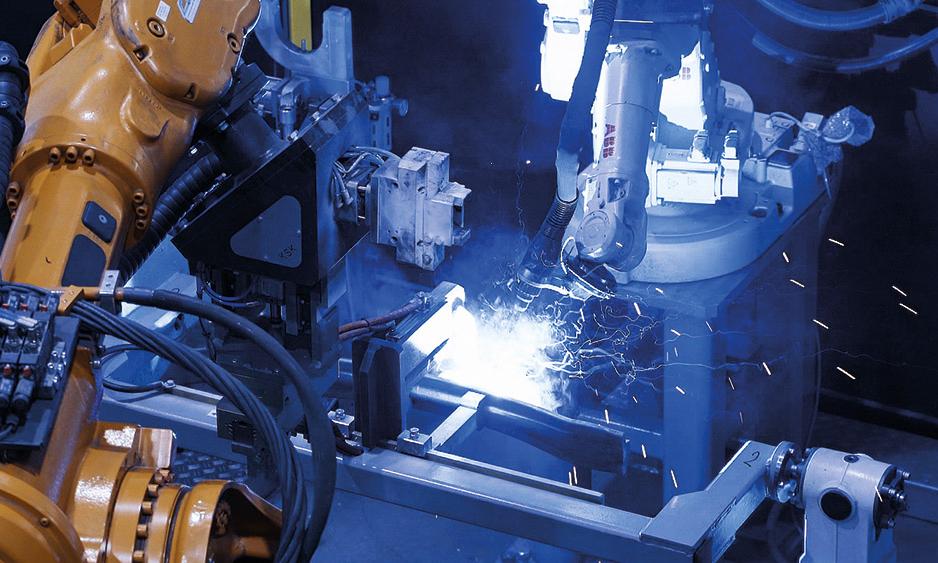
Unlike conventional round steel chains that are formed by bending and welding wire rod, pewag hero is produced from forged steel components joined through friction welding, a technique long proven in aviation and automotive manufacturing. pewag is the first chain manufacturer in the world to adapt and refine this process for chain production.
The results speak for themselves:
- 30% longer service life in comparable operating conditions, validated in demanding environments including cement bucket elevators
- No pairing process required: consistent strand lengths with a production tolerance of just 0.05%, allowing parallel installation without matching
- Longer chain strands: standard delivery lengths are double those of conventional round steel chains, reducing the number of connecting points and simplifying installation
Round Steel Conveyor Chains
For applications where round steel chains remain the right choice, the catalog covers pewag’s full range; manufactured from fine-grained, non-ageing special steel with continuous heat treatment for uniform hardness and strength throughout every link.
Available in dimensions from 14 × 50 mm up to 38 × 144 mm, case-hardened grades are rated for operating temperatures up to 200 °C without loss of surface hardness. Close production tolerances ensure smooth, parallel running over sprockets and consistent wear across matched components.
Components Built for the System
The catalog gives equal weight to the components that complete the chain system:
- Connecting links: K-series and V-series, with compatibility clearly mapped across the full chain range
- Flight attachments: KFB, FDD, SDS, SDD, and SG variants for scraper conveyor applications
- Bucket attachments: BDS, BDDS, SDS, and SDD configurations for bucket elevator systems
- Chain wheels: RHV and IR toothed sprockets with replaceable teeth, SEG-E and KS/KSE plain segmented wheels with replaceable segments, plain tail and idler wheels, and cast chain wheels
A comprehensive availability matrix maps every component to compatible chain dimensions, making it easier to specify a complete, correctly matched system from the outset.
Application Sections: Bucket Elevators and Scraper Conveyors
Rather than presenting products in isolation, the catalog is structured around the two primary application areas where pewag conveyor chains prove themselves every day.
The bucket elevator section addresses the demands of vertical conveying under high tensile loads covering chain selection, drive and tail wheel configurations, and bucket attachment options for both centrifugal and gravity discharge systems. Industries covered include cement, fertilizer, and plaster production.
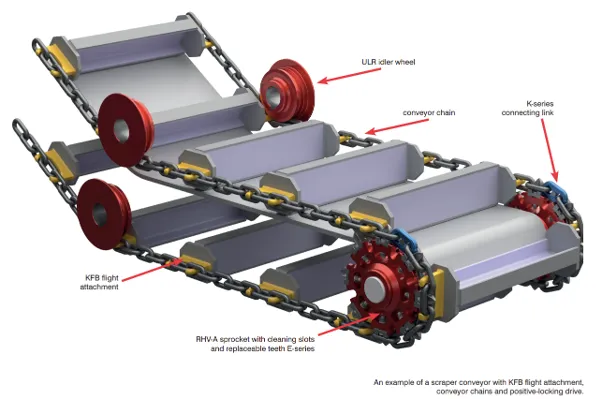
The scraper conveyor section addresses the challenges of horizontal or slightly inclined bulk material handling, where chains face continuous exposure to abrasive fines and high drag forces. Application areas include agriculture, and power generation.
Both sections include worked system examples that illustrate how chains, wheels, attachments, and connecting elements come together in real installations.
Service and Maintenance Guidance
The catalog closes with practical wear measurement and assembly instructions: supporting maintenance teams in the field with clear guidance on monitoring chain condition and planning timely replacements before unplanned failures occur.
Engineered in Austria. Proven Globally.
pewag conveyor technique is part of a group with roots going back to 1479, operating across more than 100 countries from 18 production sites on five continents. Our metallurgical expertise and commitment to continuous improvement are reflected in every link we produce.
We are also committed to doing this responsibly, with a target of CO₂-neutral production by 2030, and ongoing investment in renewable energy and sustainable manufacturing processes.
Get Your Copy
The new Conveyor Chains and Components catalog is now available. Whether you’re specifying a new installation, evaluating chain upgrades, or simply want a comprehensive technical reference for your maintenance and engineering teams, it’s the complete guide to what pewag can deliver.
View or download the Conveyor Chains & Components catalog or contact your local pewag representative to discuss your specific conveyor chain requirements.
Discover More
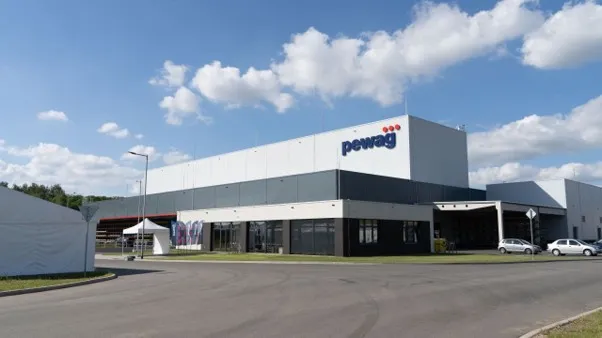
The opening of pewag’s new production facility in the Czech Republic was a chance for team members and customers to get together.
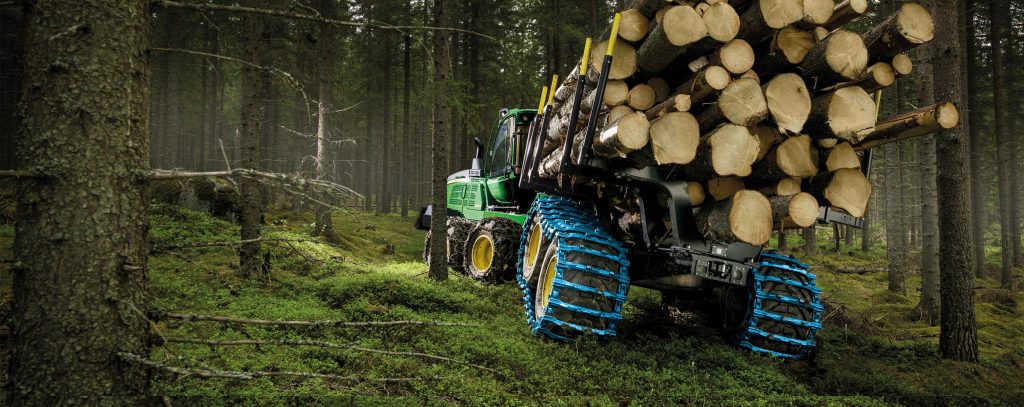
pewag forestry tracks are engineered to deliver reliable grip on forest terrain. Explore the bluetrack range.
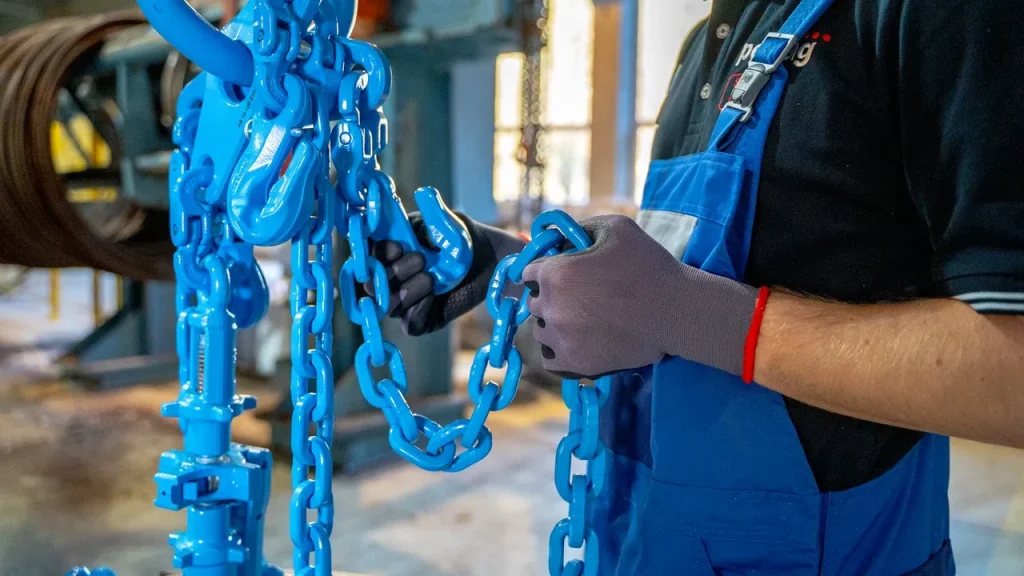
The latest innovation in chain slings is here. Introducing the G12 Plus range from pewag.
Don’t Replace the Hoist. Replace the Chain.
Why smart maintenance teams are choosing chain replacement over equipment turnover and where to source the right chain for the job.

There’s a moment every maintenance manager knows well: a hoist chain fails inspection, shows excessive wear, or simply gives out. The instinct is often to reach for a new hoist. But in most cases, that’s the more expensive decision and not necessarily the safer one.
Chain replacement is one of the most economical maintenance strategies in industrial lifting. A quality hoist from any leading brand is built to last decades. The chain is the wear component. Treating it as such, rather than writing off the entire unit, protects both your lifting capacity and your budget.
pewag is now making that decision easier than ever. Our aftermarket replacement hoist chain portfolio covers both standard EN 818-7 chain dimensions and hoist-specific chain sizes. Available from stock, cut to length, and finished to suit your operating environment.
The Economics of Chain Replacement
Modern chain hoists are precision-engineered equipment. The gearboxes, housings, braking systems, and frames of a well-maintained hoist can remain fully serviceable for up to10 years. The load chain, however, is subjected to continuous mechanical stress, friction against the pocket wheel, impact condition and environmental exposure. It wears.
The financial logic is straightforward: a replacement chain is a fraction of the cost of a new hoist. When a chain reaches the end of its service life and the rest of the hoist is sound, replacement rather than retirement is the correct call. Industry guidance is clear on this point: only when repair costs approach or exceed the cost of a new unit, or when critical structural components are damaged beyond repair, does full replacement make sense.
Beyond direct cost, there’s the question of downtime. A hoist that is out of service waiting for a complete unit replacement represents lost productivity. Chain replacement, when the right chain is available from stock, can be a far faster turnaround.
Why the Right Chain Matters More Than You Think
Hoist chains are fundamentally different from standard lifting chains grade 80 and 100 in terms of dimensions, tolerances, hardness, and mechanical properties. They are specifically engineered for continuous running and impact conditions. Using the wrong chain can damage critical hoist components such as the pocket wheel and chain brake, compromise performance, and take the equipment out of compliance with applicable safety standards and regulations, turning a simple chain replacement into a far more expensive repair.
The key factors are hardness and dimensional precision.
Manual and lever hoists typically require through-hardened chains with a surface hardness in the range of approximately 380 Vickers and carefully controlled mechanical properties. Electric hoists, where running and impact conditions demand greater wear resistance, generally require case-hardened chains with a hardened outer layer, often reaching surface hardness values between 500 and 600 Vickers, depending on the application.
Dimensional tolerances are equally critical. Hoist chains are engineered to operate in a precise “marriage” with the pocket wheel of a specific hoist. A chain that appears identical may have dimensional tolerances that cause it to skip, jam, or accelerate wear on the pocket wheel, ultimately reducing service life and increasing maintenance costs.
Chain markings tell part of this story. Designations like “T” (through-hardened), “DAT” (case-hardened), and “DT” (deep case-hardened) are embossed on the chain for a reason: they communicate the hardness profile so that the correct chain reaches the correct hoist.
The practical implication: always identify the chain specification from your hoist’s user manual or the chain’s own certificate before ordering a replacement. And if in doubt, work with a qualified supplier or professional who understands hoist chain specifications not just lifting chains in general.
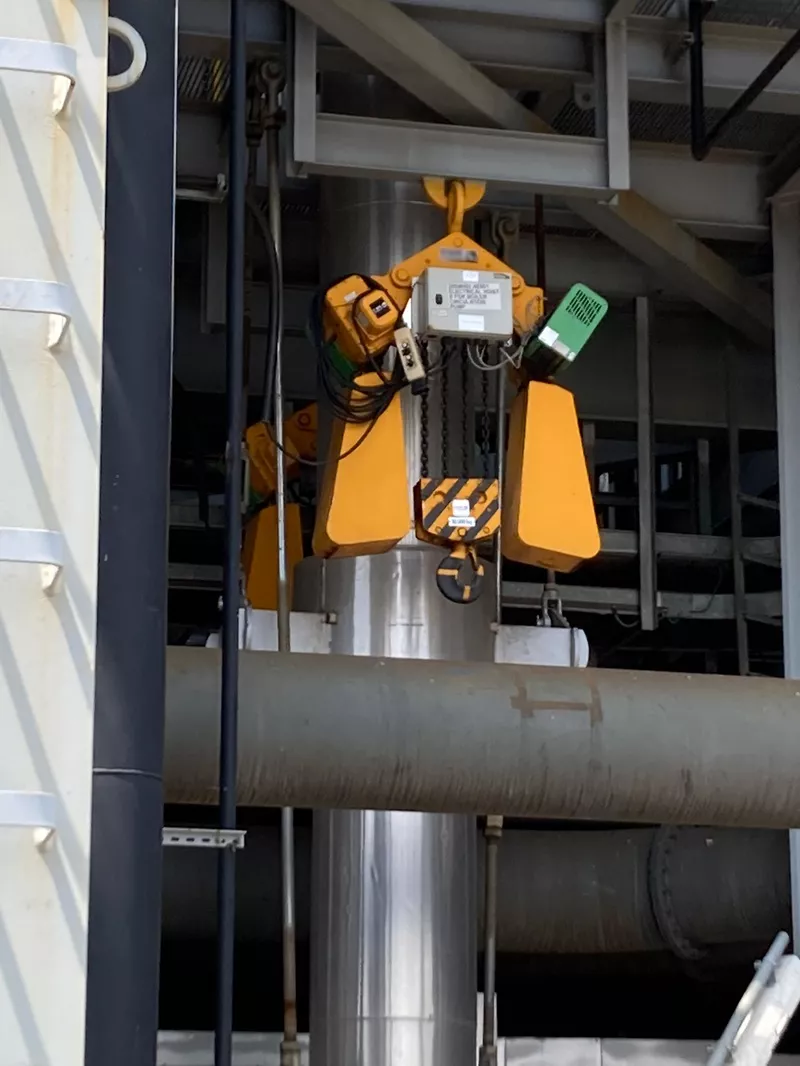
When to Replace the Chain in Your Hoist: The Signs to Watch For
Knowing when a chain has reached the end of its service life is as important as knowing how to replace it. Key inspection indicators include:
Stretch and elongation. A chain that has extended beyond its wear limit will no longer seat correctly in the pocket wheel, leading to erratic operation and increased risk of failure. Most manufacturers provide a maximum allowable pitch elongation, typically around 2–3% as a replacement threshold.
Surface wear on the link body. Visible reduction in the cross-sectional diameter of the link, particularly at the bearing points where links contact each other and the pocket wheel, is a clear sign that material has been lost and the chain’s rated capacity can no longer be guaranteed.
Corrosion and pitting. Surface corrosion that penetrates the chain steel reduces load-bearing cross-section. Pitting, particularly on the inner link surfaces, can also act as a stress concentration point, raising the risk of fatigue cracking.
Cracked or deformed links. Any visibly cracked, bent, or twisted link is grounds for immediate replacement. Links that have been subjected to shock loading or overload may show no obvious deformation but should still be treated with caution and inspected carefully.
Stiff or binding links. Links that don’t move freely may indicate corrosion, contamination, or mechanical damage that will cause the chain to perform unpredictably under load.
Industry best practice recommends that chain inspection be carried out before every use for visible damage, with more thorough dimensional checks on a scheduled basis appropriate to the duty cycle of the hoist.
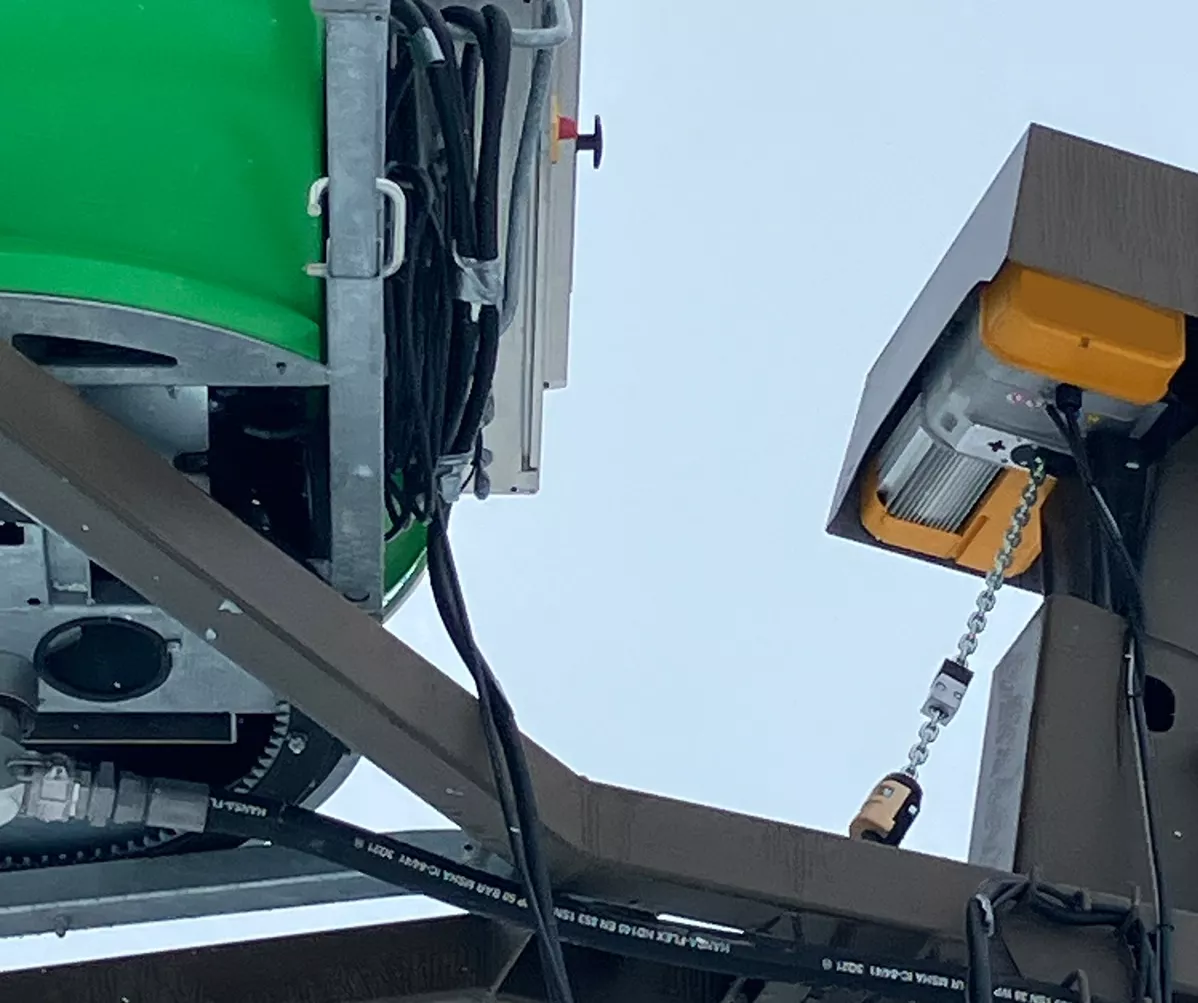
Choosing the Right Surface Finish For Your Replacement Hoist Chain
Chain surface treatment is not cosmetic. It directly affects service life, especially in demanding environments. Matching the finish to the operating conditions is an important part of specifying a replacement chain correctly.
Many customers order on price and ignore the finish and then wonder why the chain life is shorter than expected. The environment the chain operates in is just as important as the grade. This should be a key consideration in every replacement hoist chain purchase.
Galvanised (blue or yellow zinc) chains offer good corrosion resistance for damp environments and are among the most widely used general-purpose finishes.
Manganese phosphate provides a hardwearing surface with good lubrication retention, making it well-suited to high-cycle applications where chain-to-pocket wheel wear is a primary concern such as in lighting rigs for concerts and entertainment events.
Zinc flake coating (Corolim) is pewag’s proprietary surface treatment, offering an enhanced corrosion protection profile suited to demanding industrial environments – especially for offshore applications.
Special treatments including nickel plating for food-grade, pharmaceutical, or chemically aggressive environments are available by arrangement for applications where standard finishes are insufficient.
The right finish for your application depends on the operating environment, the duty cycle, and any regulatory requirements that apply to your industry. Talk to pewag’s experts to establish the best chain finish for your application.
The pewag Replacement Hoist Chain Range
pewag stocks an extensive range of hoist replacement chains, covering both generic EN 818-7 chains and chains specified for leading hoist brands.
Chains are available:
- From stock in standard 100m lengths, shipped from our facility in Austria
- Cut to length, fulfilled from our hub in Germany for faster lead times and minimum waste
- In multiple surface finishes: galvanised (blue or yellow zinc), manganese phosphate, and Corolim as standard; special treatments including nickel plating available by arrangement
pewag offer a one-stop shop for DGUV approved replacement hoist chains. Whether you’re running a hoist in a steel plant or a hoist in a warehouse, we can supply the exact specified chain from stock, in the right finish, cut to the length you need.
For technical support in identifying the correct replacement chain for your hoist, or to discuss surface treatment requirements for your application, contact the pewag team or read the Hoist Chain Brochure Online.
Discover More
The opening of pewag’s new production facility in the Czech Republic was a chance for team members and customers to get together.
pewag forestry tracks are engineered to deliver reliable grip on forest terrain. Explore the bluetrack range.
The latest innovation in chain slings is here. Introducing the G12 Plus range from pewag.