


pewag Sustainability Report 2025: Our Progress Towards CO₂-Neutral Production
For pewag, sustainability isn’t a recent trend, it’s a value rooted in a company history stretching back to 1479. The pewag Sustainability Report 2025, the fourth consecutive report published by pewag austria GmbH (the group’s Austria-based parent company), shows just how much steady, long-term commitment can achieve. Here are the highlights.
A 26% reduction in our carbon footprint
In 2025, pewag continued to make measurable progress towards its climate goals. The group avoided 2,927 US tons of CO₂ emissions thanks to renewable energy – equivalent to the carbon capture capacity of approximately 79,650 newly planted trees.
The company’s Scope 1 and Scope 2 reduction progress has remained strong since reporting began in 2022, with avoided emissions rising from 20% in 2022 to 26% in 2025.
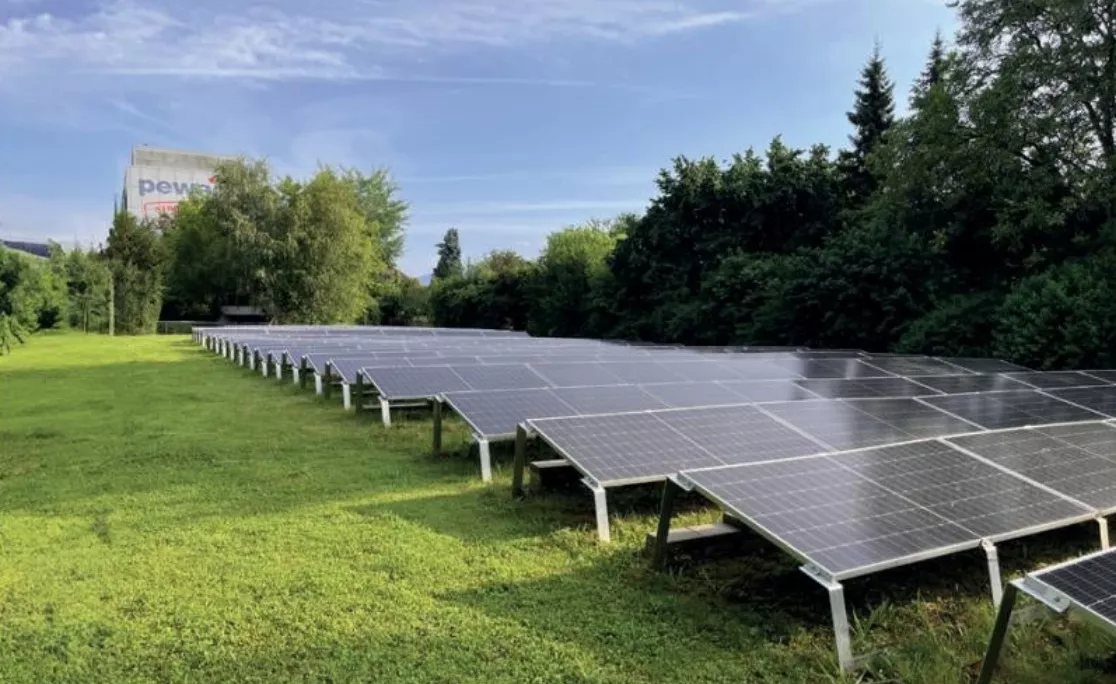
Self-generated renewable energy also remains an important part of the group’s strategy. In 2025, pewag generated 5,869 MWh of its own renewable energy, representing 13% of the group’s total energy supply.
Responsible water, biodiversity and resource use
pewag also continues to monitor and manage its wider environmental impact. In 2025, the group reported that total water consumption remained at the lower end of the typical manufacturing industry range, accounting for 2% of total water withdrawal. No water was consumed in areas of high-water stress.
The group also maintained 1.29 million sq. ft. of near-natural areas, representing 41% of its total infrastructure. Although biodiversity was not identified as a significant impact in the materiality analysis, pewag remains committed to preserving green areas at its locations.
Cleaner energy, greener fleet
Manufacturing in the metal industry is energy-intensive, which makes pewag’s energy mix all the more notable. The share of renewable energy held steady at 32%, comfortably above the EU average of 25%. Thanks to in-house photovoltaic systems, a hydroelectric plant and a biomass power plant, more than 15 pewag sites are now powered by self-generated green energy.
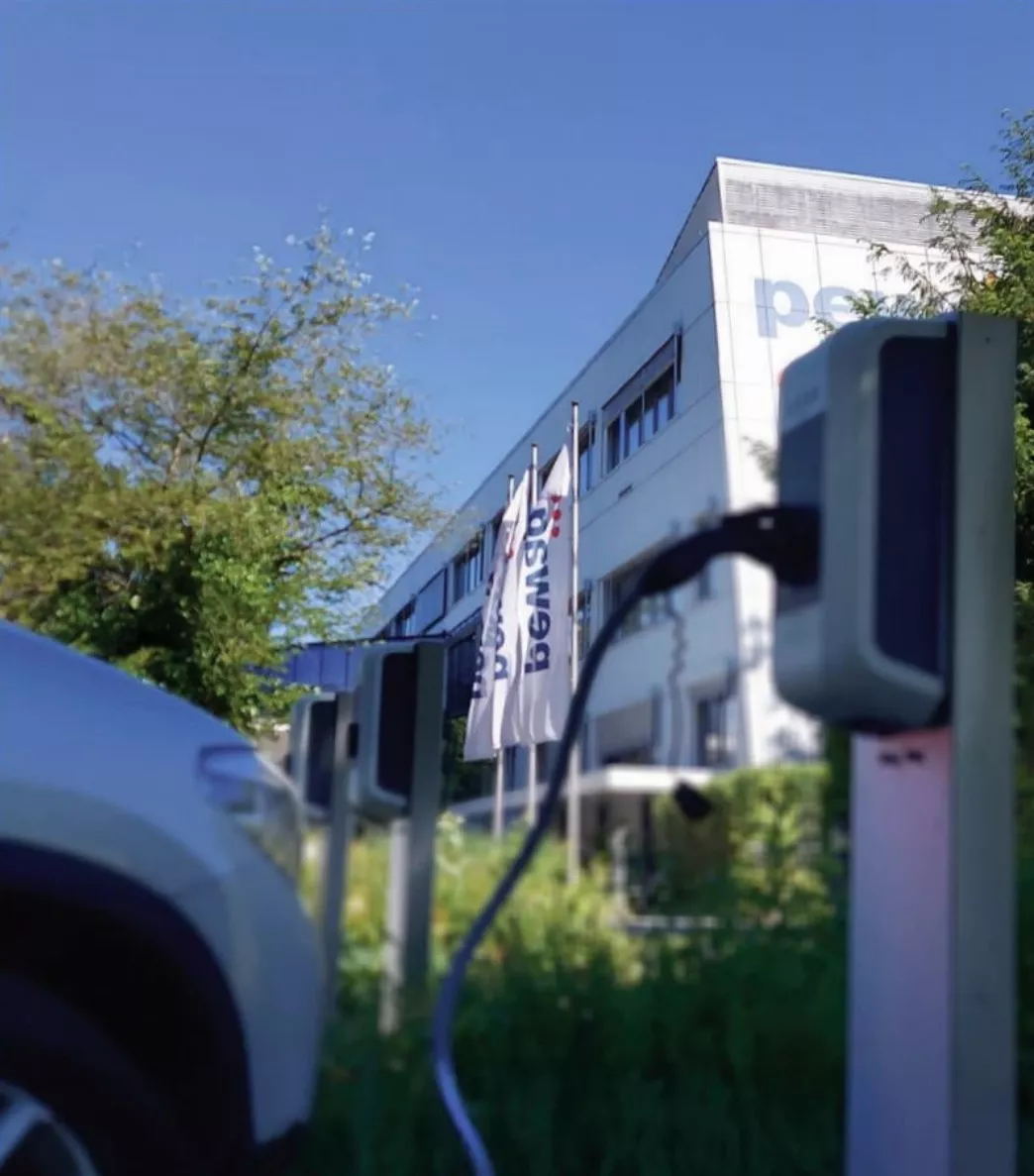
The company fleet is changing too: the share of miles driven by electric vehicles rose to 15% in 2025 – a 45% increase on the previous year, with fossil-fuelled transport falling accordingly.
Designing out waste
pewag products are built to last, and durability is a sustainability strategy in itself. The company is also embracing the circular economy: in 2025, 83% of waste was recycled, and a new pilot project, pewag recycling, now gives used textile lifting accessories a second life as materials for new applications such as insulation.
The group is also strengthening ESG expectations across its supply chain. In 2025, supplier ESG self-assessment questionnaires were introduced, with the aim of including all key suppliers by 2028.
People matter too
Sustainability extends to pewag’s 1,459 employees. In a traditionally male-dominated industry, the share of women in leadership roles climbed from 17% to 22%, an above-average result, while the report was independently audited by an external auditor for the third year running.
pewag also reported that all employees receive fair and adequate remuneration exceeding local statutory minimum wages and/or collective agreements, reflecting its commitment to fair working conditions worldwide.
Leading by Example
pewag’s sustainability progress shows that heavy manufacturing and environmental responsibility can move forward together. From renewable energy and e-mobility to circular economy initiatives, training, safety and responsible governance, pewag is demonstrating how sustainability can be embedded across a global industrial business.
For pewag, sustainability is not about one single achievement. It is about continuous improvement, long-term accountability and a clear commitment to reducing environmental impact while maintaining the quality, safety and performance the industry depends on.
Together, these results reflect a values-based approach to long-term change. To explore the full picture, including detailed ESG data and pewag’s contribution to all 17 UN Sustainable Development Goals, read the complete pewag Sustainability Report 2025.
Discover More
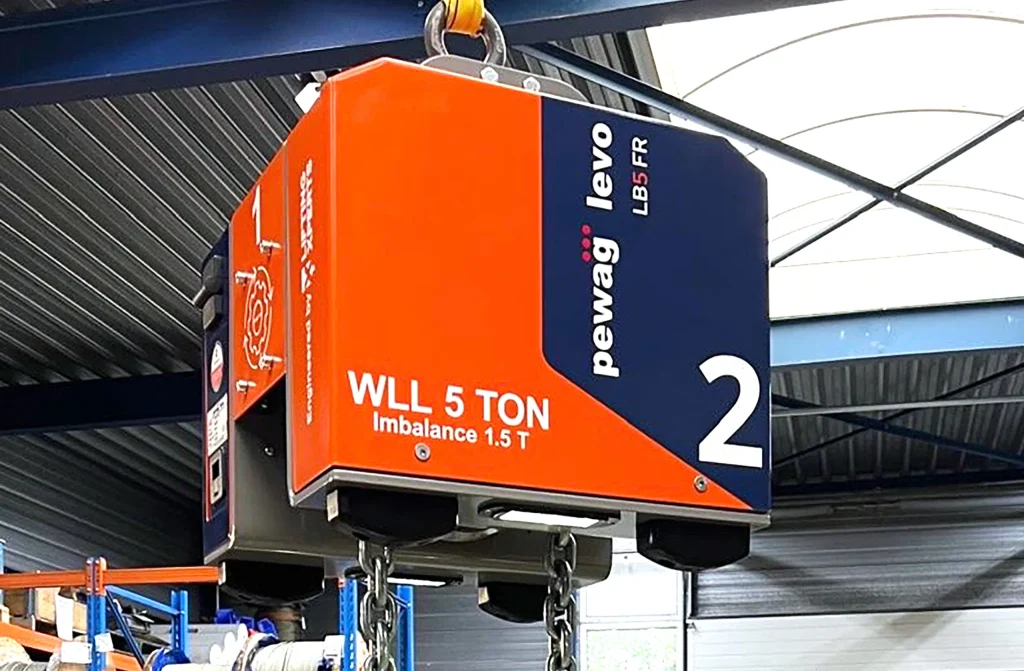
Delivering controlled movement, level lifting, and even load distribution, these levo products help operators safely handle unbalanced and off-center loads.
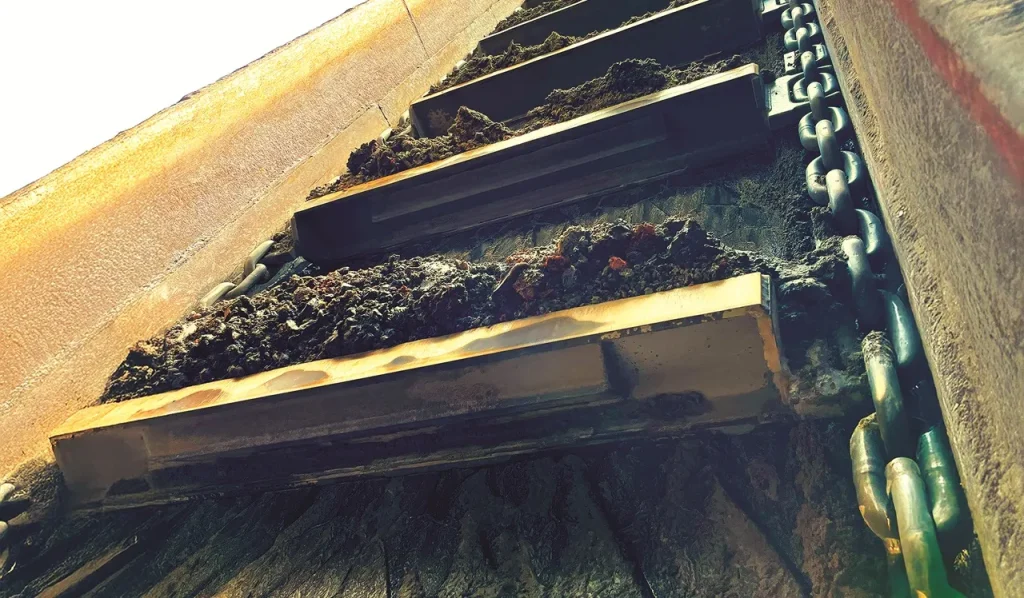
pewag’s updated Conveyor Chains Catalog is available for download now. Discover what’s inside.
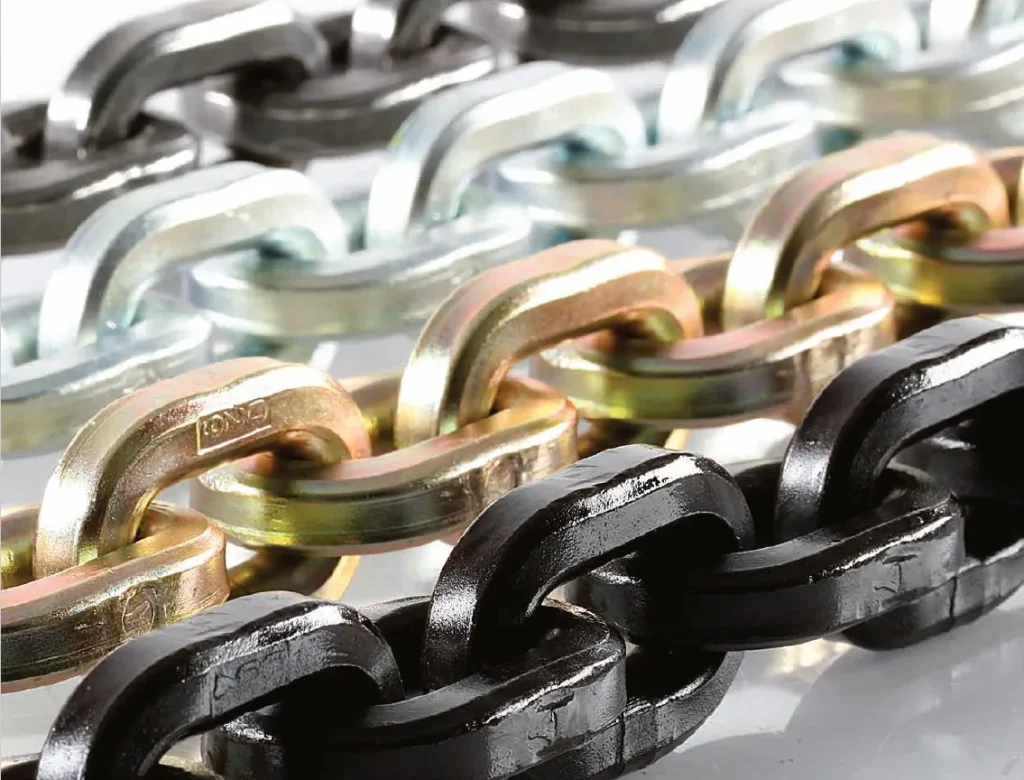
Why smart maintenance teams are choosing chain replacement over equipment turnover and where to source the right chain for the job.
Shaping a Future of Responsibility
At pewag (group), sustainability is not just an ambition – it’s a responsibility. Our goal is clear: CO2 neutral production by 2030. In alignment with the Paris Agreement and the EU Climate Law as well as United Nation’s Sustainable Development Goals, we’ve implemented robust measures aimed at transitioning to renewable energy and preserving resources while creating a safe and inclusive workplace. Sustainability at pewag is a comprehensive approach that covers not only environmental stewardship but also social responsibility and business ethics.
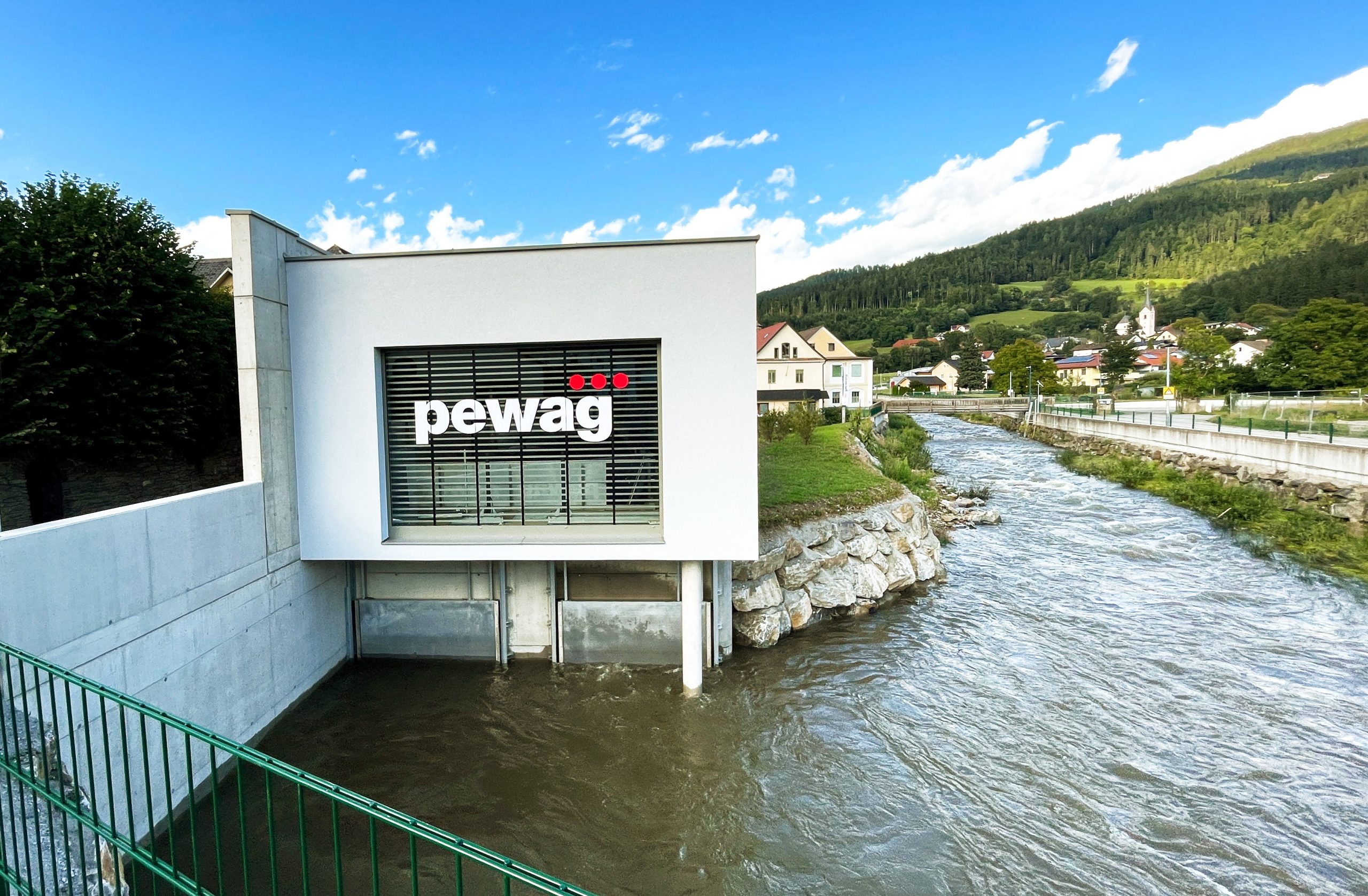
Harnessing Renewable Energy for a Greener Tomorrow
A pivotal part of our sustainability journey is our commitment to self-generated renewable energy. Since 2021, we’ve installed numerous photovoltaic systems and a biomass thermal power plant alongside two existing hydropower plants, generating over 7,754 MWh of clean energy annually. That’s enough energy to power approximately 2,582 households. In 2023 alone, pewag (group) reduced its carbon footprint by over 4,076 tons – comparable to planting 122,280 trees. These achievements reflect our deep-rooted commitment to take action against climate change and creating lasting environmental impact.
Embracing Social Responsibility and Corporate Ethics
At pewag, sustainability extends beyond environmental efforts. We believe in fostering a safe, inclusive workplace where diversity and equality are valued. Our high ethical standards are upheld through stringent guidelines and a robust code of conduct. These actions promote a fair and transparent corporate culture that drives both economic success and social equity.
A Circular Approach to Business
Our focus on sustainability doesn’t stop with energy. We continuously improve our product quality, and by offering spare parts and repair services, we significantly extend the product life cycle. We are actively reducing waste and improving product recyclability, essential components of our circular economy strategy. In 2023, 83 % of our 7,474 tons of waste was recycled. In addition, we are constantly refining our production processes, promoting e-mobility, and implementing energy-efficient LED lighting to cut energy use. Thanks to these efforts, 27 % of pewag’s energy needs were met by renewable sources in 2023.
Responsible Water Management
We also take a proactive approach to water. In our production processes, water is used in a closed-loop system to minimize water consumption and prevent contamination. Our hydropower plants are engineered to protect fish populations, reinforcing our commitment to responsible resource management.
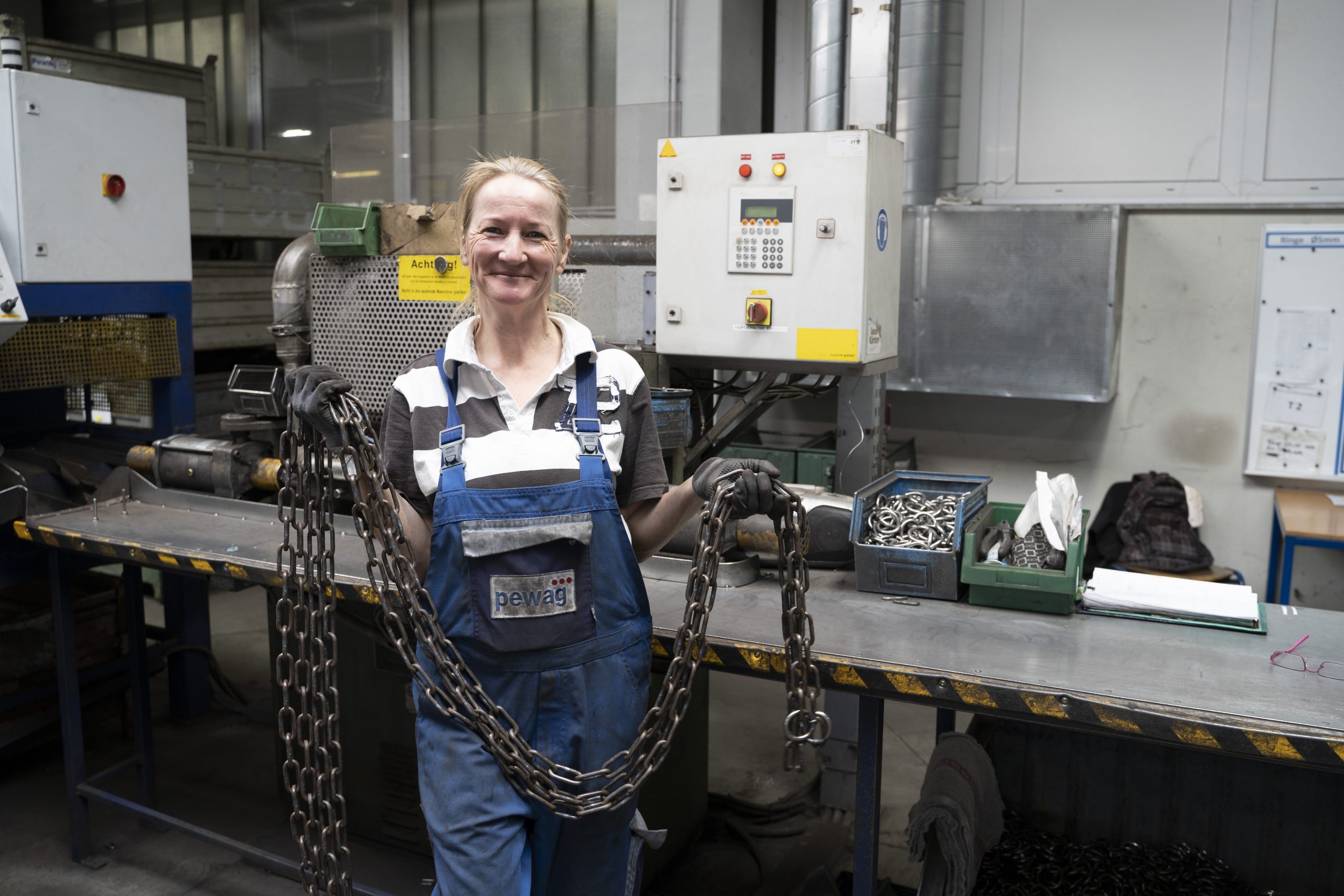
Driving Innovation for a Sustainable Future
Through all of these initiatives, pewag (group) strengthens its position as a leader in sustainable industrial practices. Our ongoing efforts are a testament to our unwavering dedication to environmental protection while driving innovation. By embedding sustainability into every link of our chain, we aim to continue optimizing processes and setting new standards in the industry.
Join Us in Building a Stronger Tomorrow
Explore how we are forging a sustainable future, one link at a time. Learn more about our green initiatives and discover the innovative solutions that will shape the world of tomorrow.
Discover More
Delivering controlled movement, level lifting, and even load distribution, these levo products help operators safely handle unbalanced and off-center loads.
pewag’s updated Conveyor Chains Catalog is available for download now. Discover what’s inside.
Why smart maintenance teams are choosing chain replacement over equipment turnover and where to source the right chain for the job.