


pewag Pump Chains Support Welsh Water: Over A Decade of Proof in the Chain
pewag pump chains have delivered over a decade of reliable service for Welsh Water. By replacing six-month inspection cycles with a risk-based Written Scheme of Examination, inspections now occur only every five years. This approach has cut operational costs and extended chain life. Chains are cleaned, inspected, and re-certified for reuse at other sites, reducing whole-life costs and supporting safer, more sustainable infrastructure management.
In the complex world of pumping infrastructure, longevity and reliability are rarely headlines. Yet behind the scenes, decisions made years ago – often at design or procurement stage – echo through time in the form of health & safety burdens and system downtime. That’s why the story of pewag’s pump chains, and their role supporting Dŵr Cymru Welsh Water’s operations, is worth a closer look.
With over a decade in service, these stainless-steel chains haven’t just endured, they’ve thrived. No drop in strength. Still in service. That kind of performance doesn’t happen by accident – it is the result of high-quality equipment, backed by a proactive inspection framework in the form of a Written Scheme of Examination.
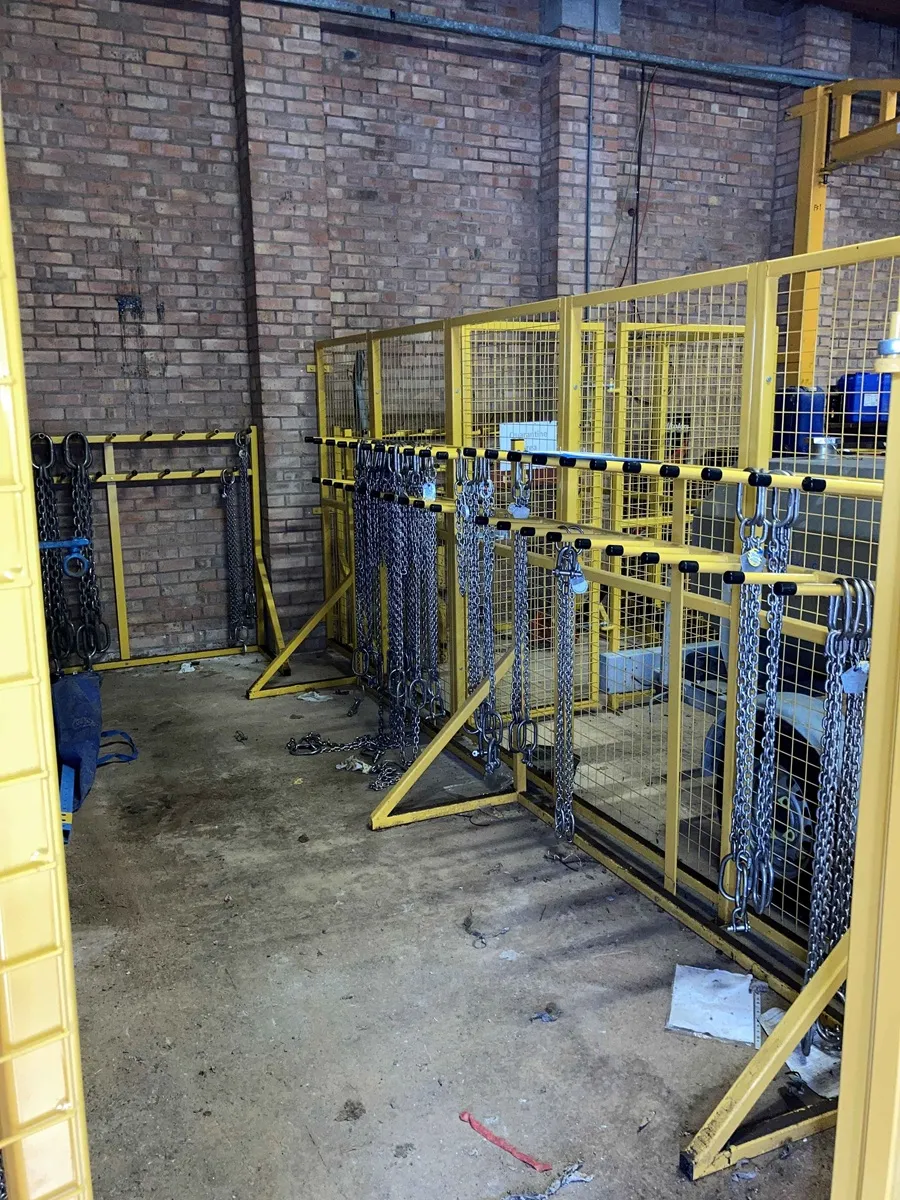
Pewag pump chains cleaned, inspected and tagged ready for use
Welsh Water’s Challenge
Like many utilities, Welsh Water operates a vast network of pumping stations – often remote and challenging in terms of access and maintenance.
Traditionally, submerged pump chains were inspected on a six-month schedule, following default legislative guidelines where no tailored Written Scheme existed.
That meant mobilising teams, using lifting equipment to hoist the pump to the surface, and then replacing the chain. This process is repeated across hundreds (if not thousands) of sites.
Now, Welsh Water no longer inspects for the sake of compliance but now fully considers the risk to be smarter in reducing capital costs whilst at least upholding safety standards.
Welsh Water had already used pewag pump chains in several installations, impressed by their build quality and track record. But the real game-changer was the introduction of a bespoke Written Scheme of Examination.
pewag’s in-house engineering team conducted a detailed risk assessment of the chain installations – including load profiles, exposure to hydrogen sulphide, immersion cycles, mechanical stress, and environmental corrosion factors. This site-specific insight was translated into a Written Scheme compliant with LOLER (Lifting Operations and Lifting Equipment Regulations) but tailored to Welsh Water’s real-world context.
The performance of the pewag chains and the clarity of the Written Scheme has created confidence and significantly reduce capital costs, without compromising safety. The chains still look and perform like new after years in harsh conditions.
10 Years In: The Results Speak for Themselves
Over a decade later, the results are beyond expectation. Independent tensile testing of chains removed for evaluation confirmed that the load-bearing strength is unchanged from the day they were installed. Surface inspections revealed no visible signs of corrosion or fatigue. In short, the Written Scheme worked – and so did the product.
More importantly, Welsh Water achieved a step-change in their maintenance model:
- Fewer Resources Required: Inspection frequency was reduced from every six months to once every five years, significantly lowering labour, equipment, and site access demands.
- Reduced Whole-Life Cost: After five years in service, chains are removed, cleaned, inspected, and re-certified, then returned to circulation for use at another site – extending their lifespan and maximising asset value.
And in a sector increasingly focused on sustainability, reducing the frequency of site visits, chain replacements, and vehicle movements has also helped Welsh Water move closer to its carbon reduction goals.
pewag’s role here extends beyond manufacturing. They’ve taken their expertise and used it to help write the book – literally. pewag is redefining what long-term asset resilience looks like in the pump sector.
If your team is still inspecting lifting chains every six months by default – particularly in submerged or hard-to-access settings – it may be time to rethink. As Welsh Water’s example shows, investing upfront in quality and a Written Scheme can yield a decade of dividends.
And when your team is planning the next pump station, or looking to extend the life of existing infrastructure, the question should no longer be “how often do we inspect?” but rather, “what’s the evidence-based interval that keeps us compliant, efficient, and safe?”
Because when a chain can last more than ten years – that’s engineering that gives peace of mind. Over 10 years in, and one very smart decision.
Discover More
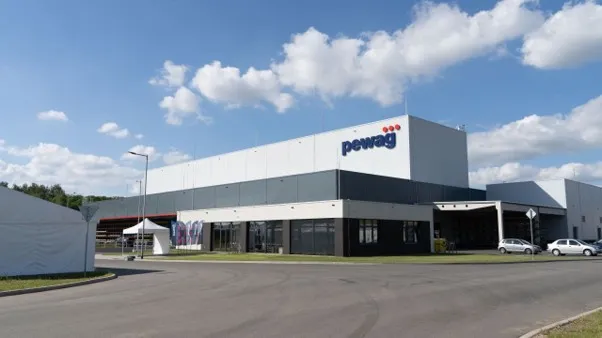
The opening of pewag’s new production facility in the Czech Republic was a chance for team members and customers to get together.

pewag forestry tracks are engineered to deliver reliable grip on forest terrain. Explore the bluetrack range.
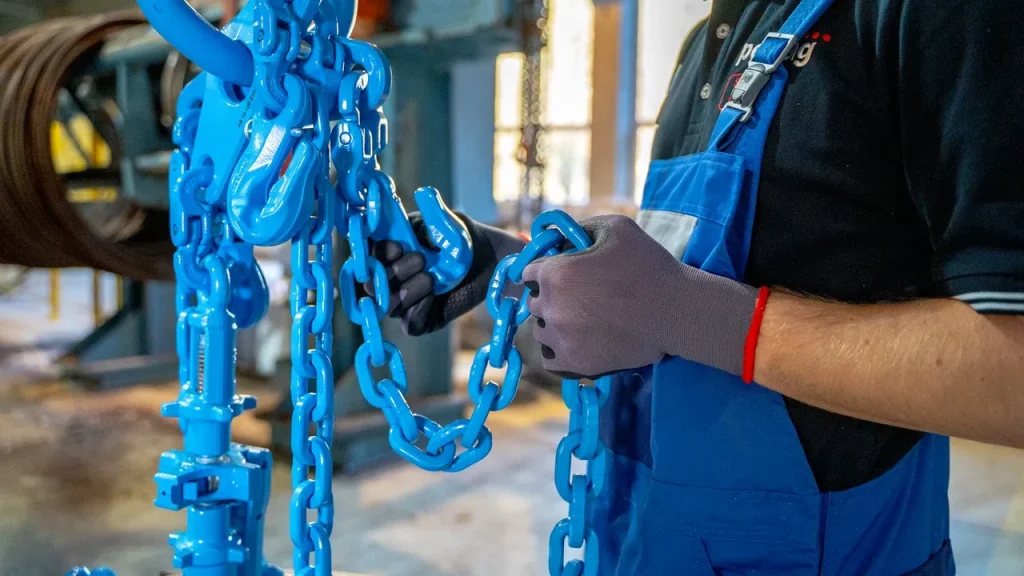
The latest innovation in chain slings is here. Introducing the G12 Plus range from pewag.