









Factory-Certified, Custom-Cut Hoist Rings: Why Ordering Custom length Hoist Rings Direct From pewag Matters
Factory-Certified, Custom-Cut Hoist Rings: Why Ordering Custom length Hoist Rings Direct From pewag Matters
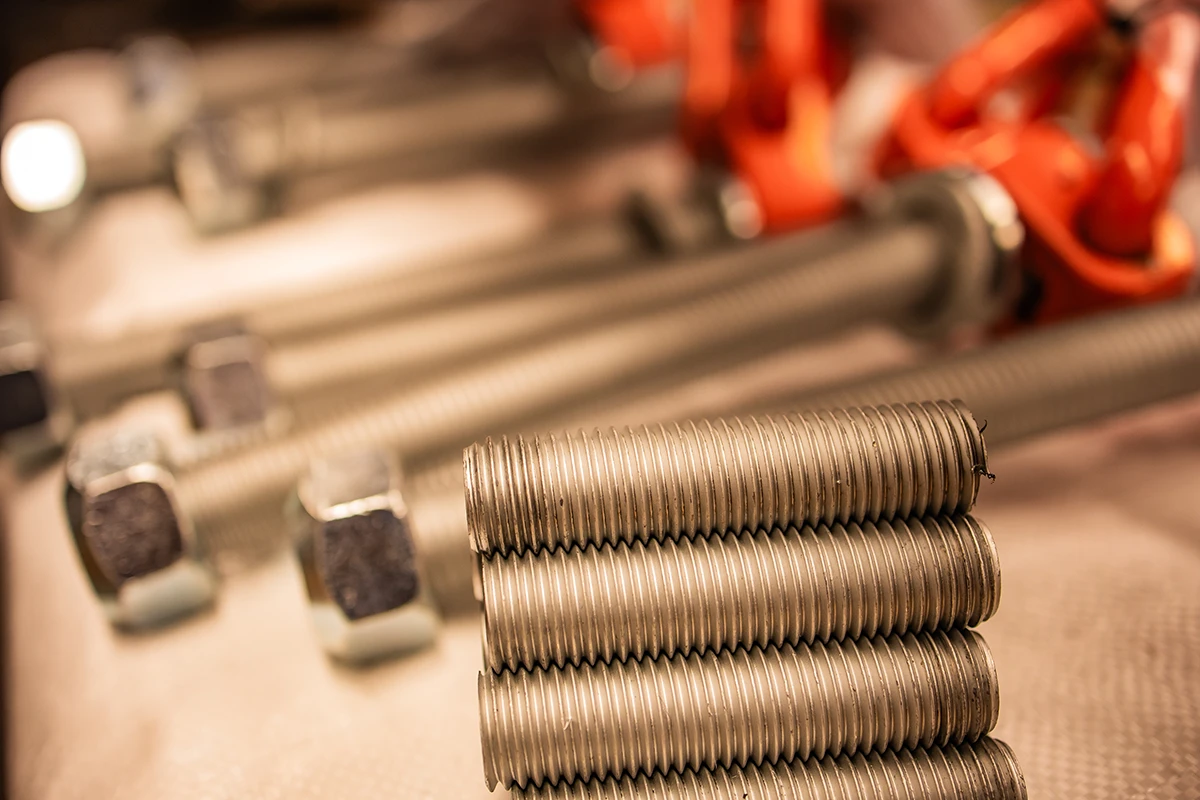
When a hoist ring is installed with an incorrectly sized bolt, whether it’s been cut by hand, shortened on site, or modified without manufacturer authorization, it does not just create a potential safety hazard, it creates a liability.
The hoist ring loses its certification the moment it is cut using an uncontrolled method. And with that certification goes the warranty, the traceability, and the legal protection that every responsible lifting operation depends on. In environments governed by OSHA regulations and ASME B30 standards, that is not an acceptable risk.
pewag offers custom-cut hoist rings at numerous locations around the world to close that gap. Delivering factory-certified, precision-cut bolts that pair directly with compatible pewag hoist rings, so the entire assembly remains compliant, traceable, and fit for purpose from the outset.
The Real Problem: Liability Begins Before the Lift
In lifting operations, liability is often discussed in the context of the lift itself: the rigging, the load path, working load limits. What receives less attention is what happens before the lift even starts: the preparation of the lifting point.
A hoist ring that has been modified by an angle grinder, hacksaw, or any other uncontrolled method carries several compounding risks:
- The hoist ring is no longer certified. Without valid certification, it cannot be verified as safe for the stated working load limit. Any incident involving that component could be attributed (in full or in part) to the uncertified modification.
- The warranty is voided. Manufacturer warranties are contingent on components being used and prepared as specified. An improvised cut immediately negates that protection.
- Traceability is broken. In regulated industries, maintaining a documented chain of compliance is not optional. A non-certified component breaks that chain.
- Liability shifts to the operator. When certified components are modified without manufacturer authorization, legal and financial exposure shifts from the manufacturer to the business or individual who carried out or permitted the modification.
These are not theoretical risks. They are the direct consequence of a common practice that many operations continue to accept without fully understanding the implications.
The Solution: Factory-Certified, Custom-Cut Hoist Rings
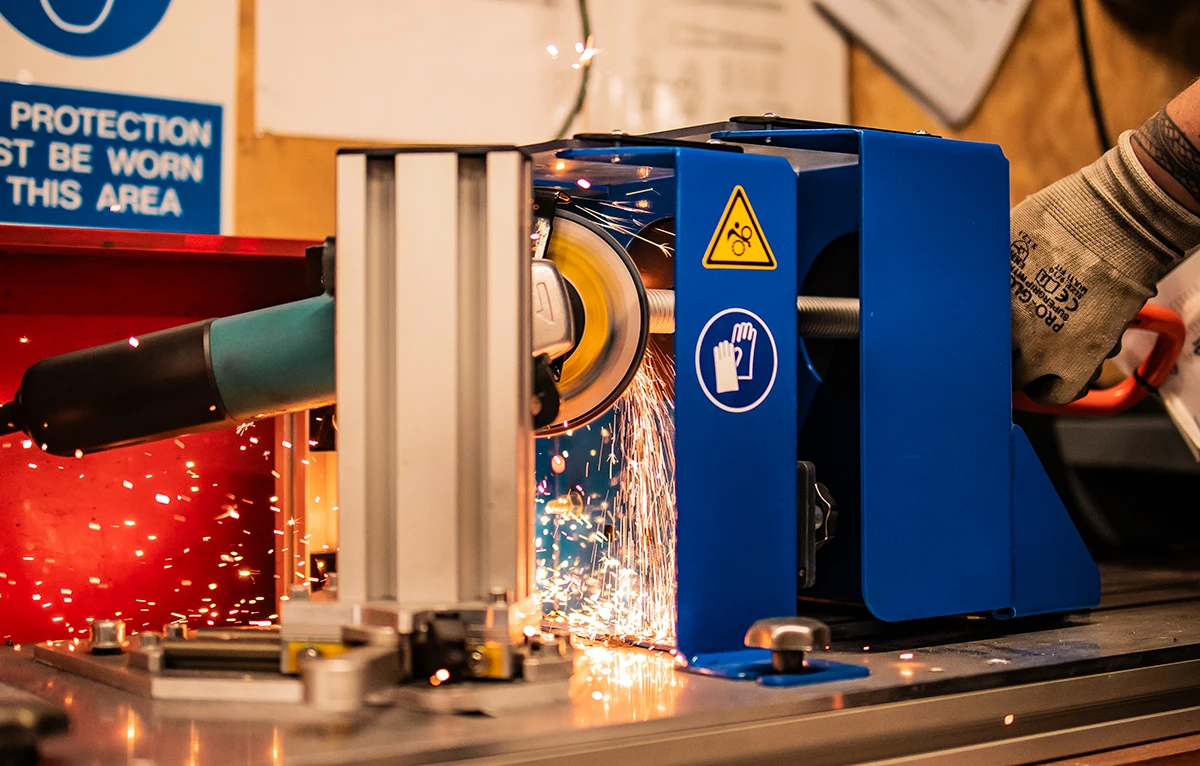
pewag addresses this risk at the source. Rather than supplying standard-length hoist rings and leaving the adjustment to the end user, pewag cuts hoist rings to the exact length required for each specific application using controlled, precision equipment before delivery.
The result is a hoist ring assembly where every component has been prepared to specification, certified upon completion, and delivered ready for installation without any on-site modification required.
Each custom-length hoist ring from pewag is:
- Cut precisely to the specified length for the intended lifting point application
- Chamfered to a clean, professional standard with no sharp edges
- Fully factory certified and traceable from the point of manufacture
- Covered under warranty as a correctly prepared component
This is not simply a convenience; it is the difference between a compliant lifting point hoist ring assembly and one that introduces unmanaged risk into the operation.
Available Custom-Length pewag Hoist Ring Ranges
The service is available for the following pewag pro points lifting point ranges:
- PLAW – with an offset and decentered design, this hoist ring is ideal for tilting loads
- PLGW – with effortless, tool free mounting, the PLGW is idea for frequent assembly and disassembly applications
- PLDW – with ball-bearing assisted rotation allowing loads to be turned
- PLZW – dismountable by hand with no tools required
- PLZW FIX – dismountable by hand with no tools required and can be rotated 360°
- PLZW FIX SP – retains position allowing for easy hooking
- PLZW rapid – time saving, tool free ‘click and go’ technology
- PLOW – tool free assembly and ball bearing assisted rotation
The service covers bolt sizes from M8 through to M48, making it appropriate for a wide range of applications, from compact assemblies to high-capacity lifting environments.
This compatibility range means that whatever the application demands, customers can specify the exact hoist ring length required without compromising on compliance, certification, or safety.
Safety Advantages Beyond Certification
Beyond the critical issue of maintaining certification, custom-length, factory-cut hoist rings deliver several practical safety and operational benefits:
Elimination of Hazards
Professionally cut bolts are chamfered with no sharp edges or burrs, significantly reducing the risk of lacerations during handling, fitting, and maintenance.
Removal of On-Site Improvization
pewag’s custom-length hoist rings, remove the need for modification using angle grinders, saws, or other cutting tools on site. This reduces the risk that uncontrolled modifications introduce, simplifies installation logistics, and supports cleaner management of lifting hardware.
Consistent Results Across Every Order
Unlike manual cutting where finish quality depends on the the operator, the tool, and the conditions, pewag delivers the same precision result every time. This consistency matters both for safety and for the overall integrity of the lifting system.
Full Hoist Ring Integrity
Because the hoist ring is prepared correctly and remains certified, operators can proceed with confidence that the performance and safety rating of the lifting point has not been compromised.
Where the Service is Typically Applied
pewag custom-length, factory-cut hoist rings are particularly relevant in sectors where compliance, traceability, and operational accountability are non-negotiable:
- Construction
- Offshore
- Wind and Renewable Energy
- Oil and Gas
- Marine
- Entertainment Rigging
- Defense
In these industries, the consequences of a non-compliant component are significant, not just in terms of safety, but in terms of regulatory exposure, insurance implications, and project liability.
Recommended Practice: Protecting Your Operation
To maintain the integrity of certified hoist ring assemblies, the following good practice guidelines should be observed on every job site:
- Never cut a certified hoist ring by manual or uncontrolled methods without explicit written authorization from the manufacturer.
- Only use hoist rings confirmed to be compatible with one another: do not mix components across ranges or grades.
- Verify that the specified hoist ring length is correct for the application before ordering.
- Confirm certification status following any modification: if certification cannot be confirmed, the component should not be used.
- Inspect all finished components thoroughly prior to installation, regardless of how they were prepared.
Where custom hoist ring lengths are required, factory-certified custom-cut hoist rings from pewag are the correct and compliant method of achieving them, not on-site improvization.
Summary
Custom-cut hoist rings are a legitimate and frequently necessary requirement across industrial lifting operations. The method by which those bolts are cut determines whether the resulting assembly is compliant, certified, and safe or whether it carries unresolved liability from the moment it is installed.
pewag provides a factory-controlled, certified alternative to improvized on-site modification. It delivers precision-cut bolts that integrate directly with compatible pewag hoist ring ranges, maintaining certification, warranty and traceability throughout.
For lifting operations compliance and accountability matter. This is how custom lengths should be specified.
Speak to one of our Lifting Exports to ensure your hoist rings are specified correctly and certified from the start.
Discover More
As lifting demands evolve, so does the hardware. Learn how hoist rings outperform eye bolts in dynamic, multi-directional applications.
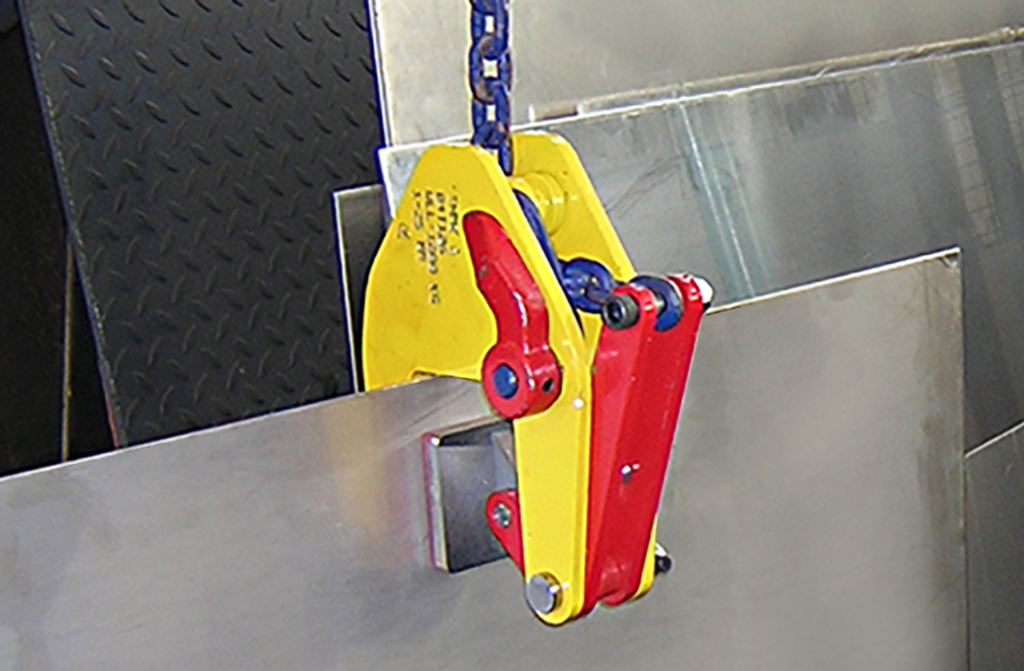
When working with delicate surfaces, non-marking clamps are engineered specifically to grip securely without leaving a mark.
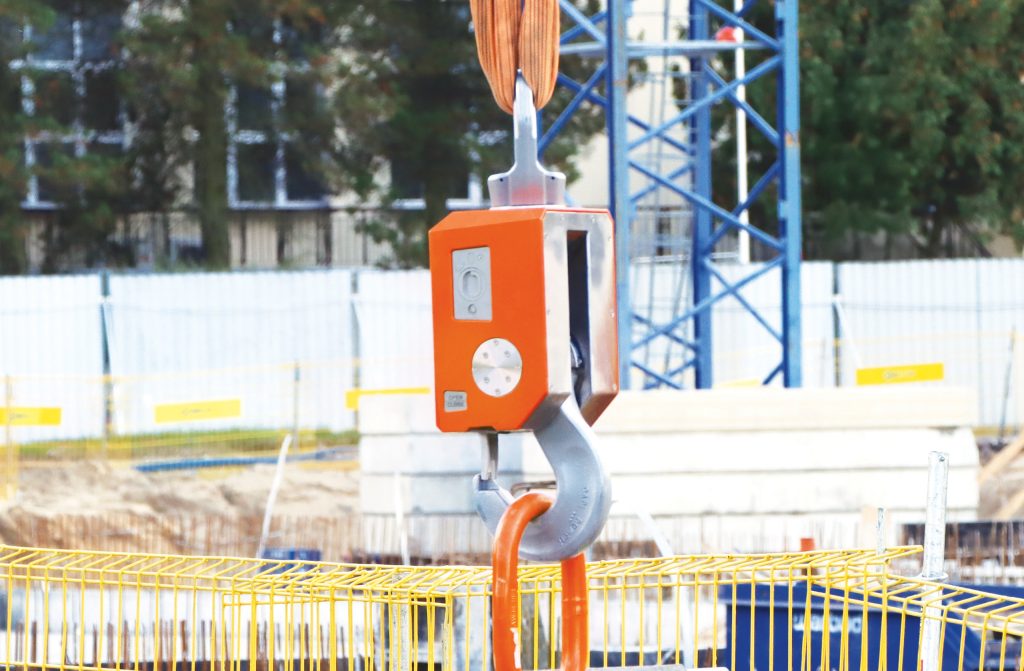
From steel mills to shipping docks, manual load handling is still exposing workers to preventable hazards.
Beyond the Bolt: Why Hoist Rings Are Reshaping Rigging Safety
Beyond the Bolt: Why Hoist Rings Are Reshaping Rigging Safety
In heavy lifting operations, selecting the appropriate attachment hardware is essential to ensuring safety, efficiency, and operational success. Whether you’re lifting a steel beam, repositioning structural components, or managing modular assemblies, the decision between eye bolts and hoist rings plays a critical role in the safety and success of the operation. And as modern rigging demands evolve, hoist rings in particular are reshaping rigging safety by offering greater load‑angle flexibility, improved strength, and engineered fail‑safes that traditional hardware simply can’t match.
While these components may appear similar at first glance, they differ substantially in design, performance, and application.
What Are Eye Bolts?
Eye bolts are a long-standing staple in heavy lifting, valued for their reliability in rigging, anchoring, pulling, and hoisting applications. Their design is simple, just a threaded shank with a looped head, and they are widely available, easy to install, and cost-effective.
Eye bolts were among the first standardized lifting attachments used in industrial rigging, well-suited for vertical load paths. However, when used for angular lifts, their working load limit (WLL) must be significantly reduced to ensure safe operation. As lifting operations have become more complex and safety standards more rigorous, this limitation has led to the development and increased use of engineered lifting points, which offer greater versatility, safety, and performance.
What Are Hoist Rings?
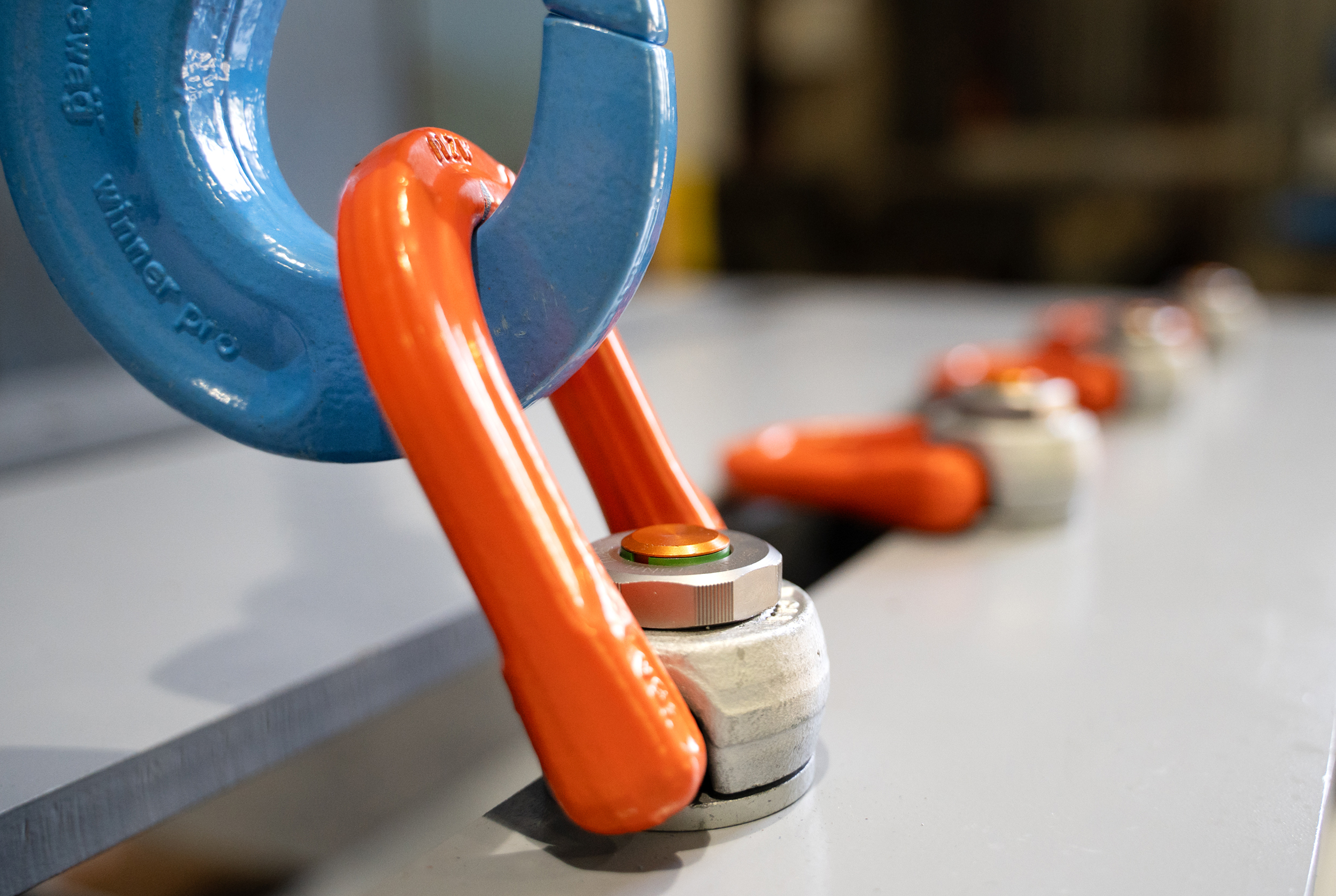
Designed to handle multi-directional forces, including angular and rotational loads, hoist rings often feature swivel or rotating mechanisms that allow the hardware to align with the direction of pull while limiting WLL reductions. This adaptability makes them essential in industries where load orientation can vary significantly and where rotating, pivoting, or manipulating a load beyond a straight, in-line lift is required. They are especially critical when loads need to be side-mounted or repositioned during handling, ensuring safe and efficient lifting even in complex orientations.
Hoist rings are specifically engineered for repeated use in high-cycle environments, where loads are lifted, moved, and repositioned frequently. Their robust design, often incorporating forged alloy steel and precision-machined components, provides superior fatigue resistance, making them ideal for demanding applications such as manufacturing lines, construction sites, and offshore operations.
Unlike traditional eye bolts, which may degrade more quickly under repeated stress, especially in environments with vibration, shock loading, or angular force, hoist rings are designed to maintain integrity over time. Features like load-distributing swivel mechanisms and secure bolt engagement help reduce wear and tear, ensuring consistent performance and safety across thousands of lift cycles.
Industry Trends
The heavy lifting industry is undergoing a notable shift toward engineered lifting solutions, driven by increasing safety standards, evolving load complexities, and the demand for greater operational efficiency. One of the most prominent trends is the integration of rotating lifting points, which allow for safer handling of dynamic loads. These advancements reflect a broader industry commitment to proactive risk management, where the focus is shifting from reactive safety measures to preventative engineering and smarter rigging practices.
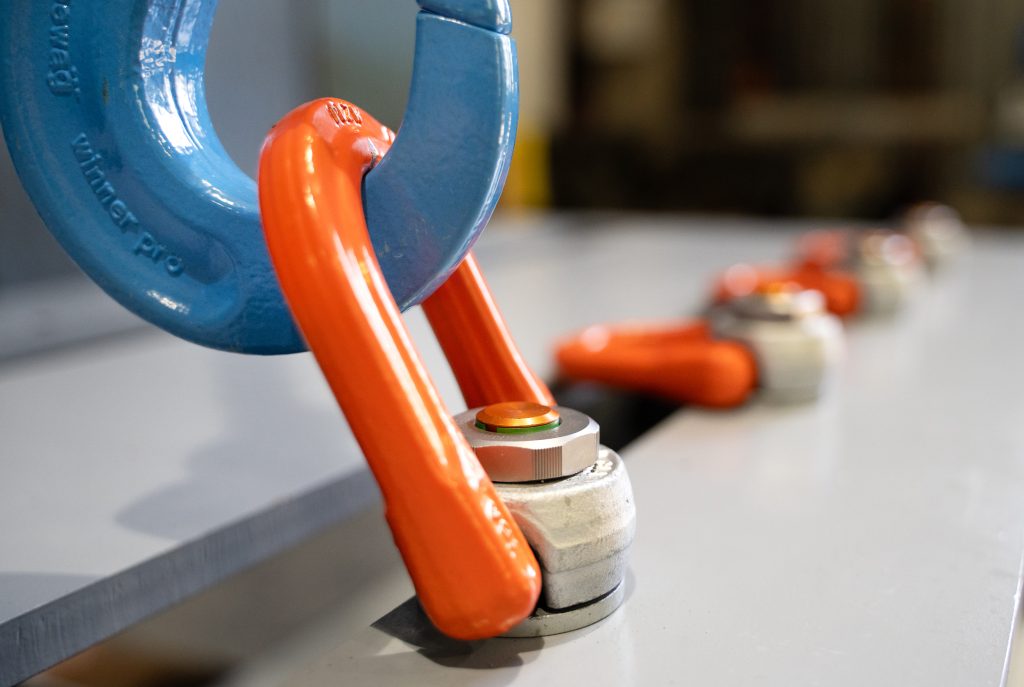
Embodying this shift, the pewag PLZW-R Rapid represents a standout advancement in the hoist ring market, offering a combination of 360° rotation and 180° pivoting with a tool-free, click-and-go assembly. Unlike traditional eye bolts or fixed lifting points, which require tools for installation and are limited in directional flexibility, the PLZW-R Rapid allows for quick, hand-tightened installation and multi-directional load alignment. This not only reduces setup time but also enhances safety by ensuring the hoist ring can always align with the direction of the load. Its green ring safety indicator provides clear visual confirmation of proper locking, making it ideal for dynamic environments where speed, safety, and adaptability are critical.
Ultimately, the choice between eye bolts and hoist rings depends on the specific requirements of the lift. For simple, vertical lifts with predictable load paths, eye bolts may be sufficient. However, for dynamic, multi-directional, or high-risk operations, hoist rings offer superior safety, performance, and reliability. Rigging professionals should evaluate each lifting scenario carefully and prioritize engineered solutions where appropriate.
Explore pewag’s range of Hoist Rings or use our Hoist Ring Advisor Tool to find the right products for your project.
Discover More
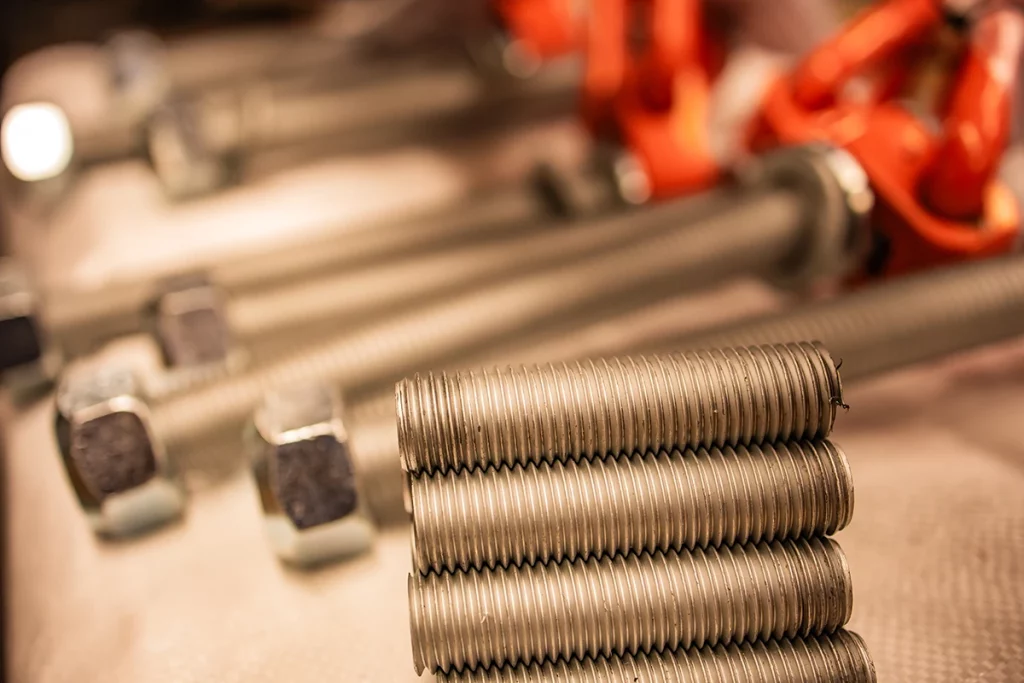
As lifting demands evolve, so does the hardware. Learn how hoist rings outperform eye bolts in dynamic, multi-directional applications.
When working with delicate surfaces, non-marking clamps are engineered specifically to grip securely without leaving a mark.
From steel mills to shipping docks, manual load handling is still exposing workers to preventable hazards.