







Beyond the Bolt: Why Hoist Rings Are Reshaping Rigging Safety
Beyond the Bolt: Why Hoist Rings Are Reshaping Rigging Safety
In heavy lifting operations, selecting the appropriate attachment hardware is essential to ensuring safety, efficiency, and operational success. Whether you’re lifting a steel beam, repositioning structural components, or managing modular assemblies, the decision between eye bolts and hoist rings plays a critical role in the safety and success of the operation. And as modern rigging demands evolve, hoist rings in particular are reshaping rigging safety by offering greater load‑angle flexibility, improved strength, and engineered fail‑safes that traditional hardware simply can’t match. While these components may appear similar at first glance, they differ substantially in design, performance, and application.
What Are Eye Bolts?
Eye bolts are a long-standing staple in heavy lifting, valued for their reliability in rigging, anchoring, pulling, and hoisting applications. Their design is simple, just a threaded shank with a looped head, and they are widely available, easy to install, and cost-effective. Eye bolts were among the first standardized lifting attachments used in industrial rigging, well-suited for vertical load paths. However, when used for angular lifts, their working load limit (WLL) must be significantly reduced to ensure safe operation. As lifting operations have become more complex and safety standards more rigorous, this limitation has led to the development and increased use of engineered lifting points, which offer greater versatility, safety, and performance.
What Are Hoist Rings?
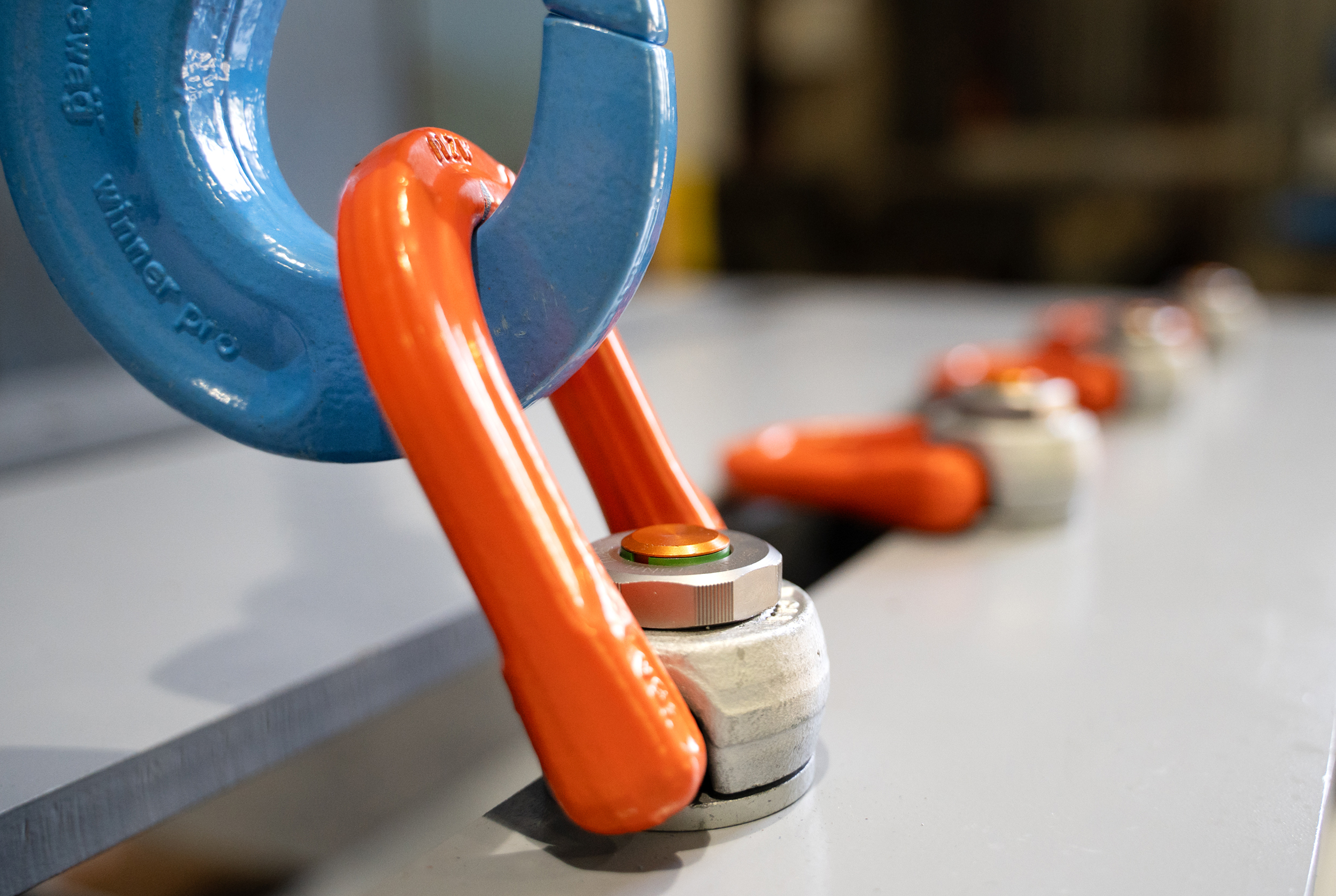
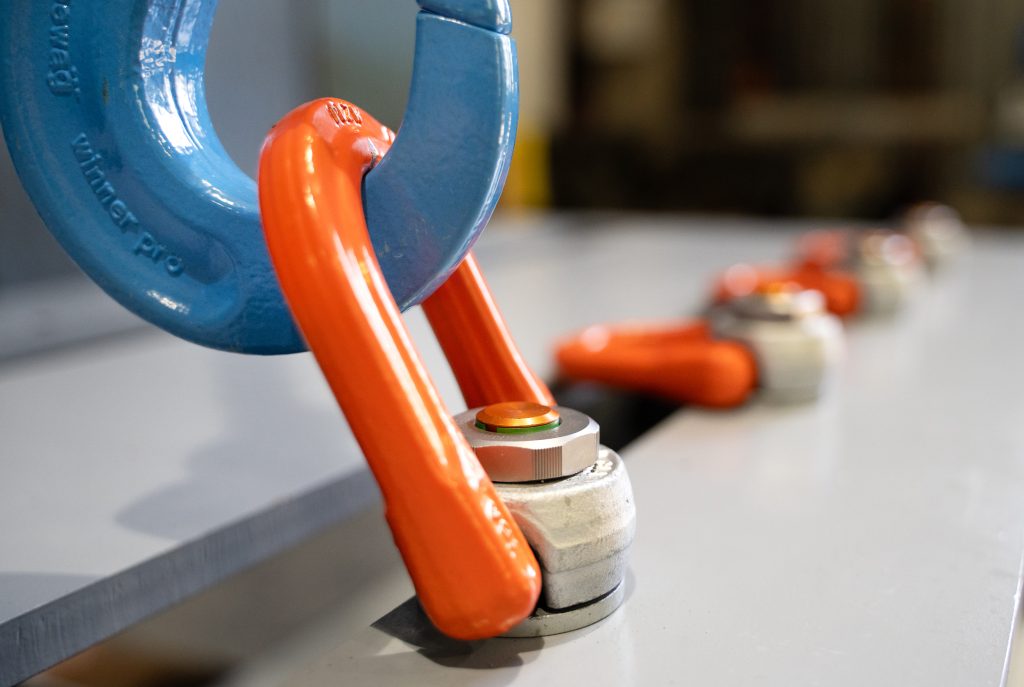
Designed to handle multi-directional forces, including angular and rotational loads, hoist rings often feature swivel or rotating mechanisms that allow the hardware to align with the direction of pull while limiting WLL reductions. This adaptability makes them essential in industries where load orientation can vary significantly and where rotating, pivoting, or manipulating a load beyond a straight, in-line lift is required. They are especially critical when loads need to be side-mounted or repositioned during handling, ensuring safe and efficient lifting even in complex orientations.
Hoist rings are specifically engineered for repeated use in high-cycle environments, where loads are lifted, moved, and repositioned frequently. Their robust design, often incorporating forged alloy steel and precision-machined components, provides superior fatigue resistance, making them ideal for demanding applications such as manufacturing lines, construction sites, and offshore operations.
Unlike traditional eye bolts, which may degrade more quickly under repeated stress, especially in environments with vibration, shock loading, or angular force, hoist rings are designed to maintain integrity over time. Features like load-distributing swivel mechanisms and secure bolt engagement help reduce wear and tear, ensuring consistent performance and safety across thousands of lift cycles.
Industry Trends
The heavy lifting industry is undergoing a notable shift toward engineered lifting solutions, driven by increasing safety standards, evolving load complexities, and the demand for greater operational efficiency. One of the most prominent trends is the integration of rotating lifting points, which allow for safer handling of dynamic loads. These advancements reflect a broader industry commitment to proactive risk management, where the focus is shifting from reactive safety measures to preventative engineering and smarter rigging practices.
Embodying this shift, the pewag PLZW-R rapid represents a standout advancement in the hoist ring market, offering a combination of 360° rotation and 180° pivoting with a tool-free, click-and-go assembly. Unlike traditional eye bolts or fixed lifting points, which require tools for installation and are limited in directional flexibility, the PLZW-R Rapid allows for quick, hand-tightened installation and multi-directional load alignment. This not only reduces setup time but also enhances safety by ensuring the hoist ring can always align with the direction of the load. Its green ring safety indicator provides clear visual confirmation of proper locking, making it ideal for dynamic environments where speed, safety, and adaptability are critical.
Ultimately, the choice between eye bolts and hoist rings depends on the specific requirements of the lift. For simple, vertical lifts with predictable load paths, eye bolts may be sufficient. However, for dynamic, multi-directional, or high-risk operations, hoist rings offer superior safety, performance, and reliability. Rigging professionals should evaluate each lifting scenario carefully and prioritize engineered solutions where appropriate.
Discover More
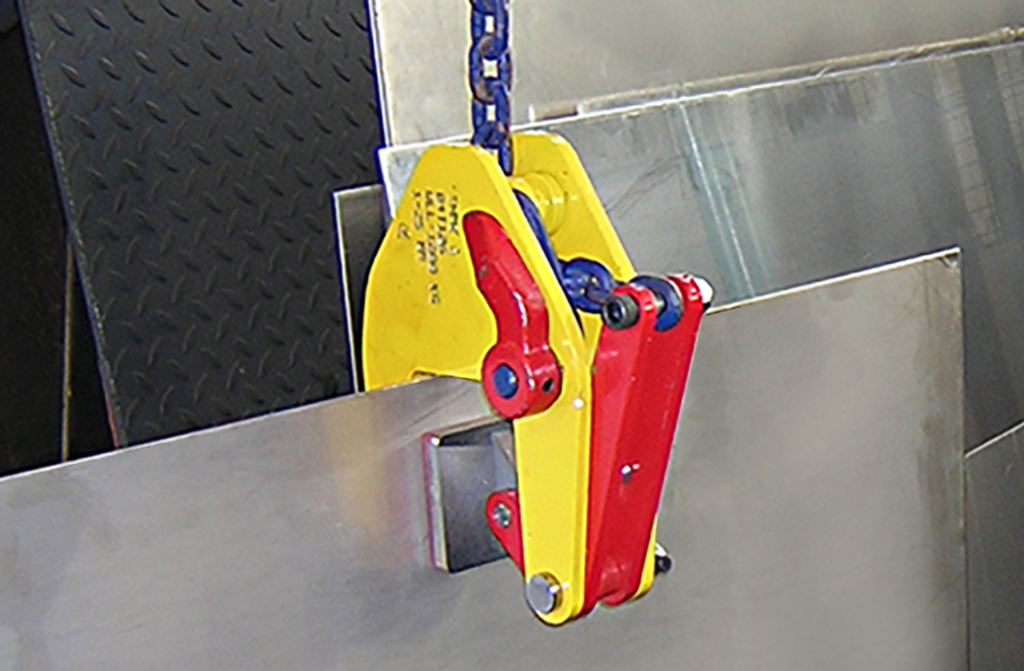
When working with delicate surfaces, non-marking clamps are engineered specifically to grip securely without leaving a mark.
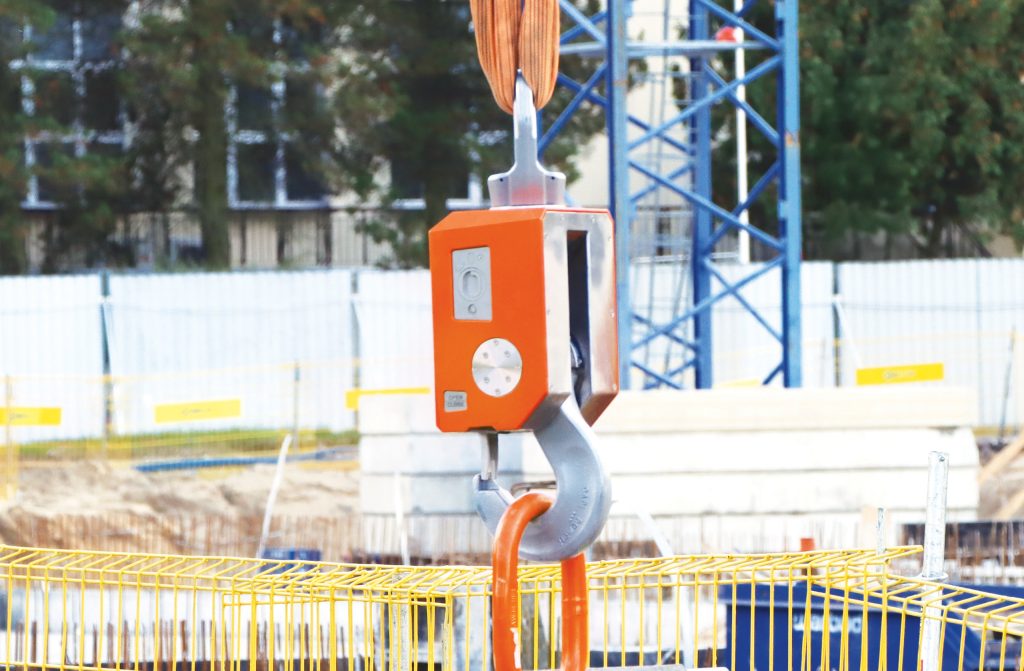
From steel mills to shipping docks, manual load handling is still exposing workers to preventable hazards.
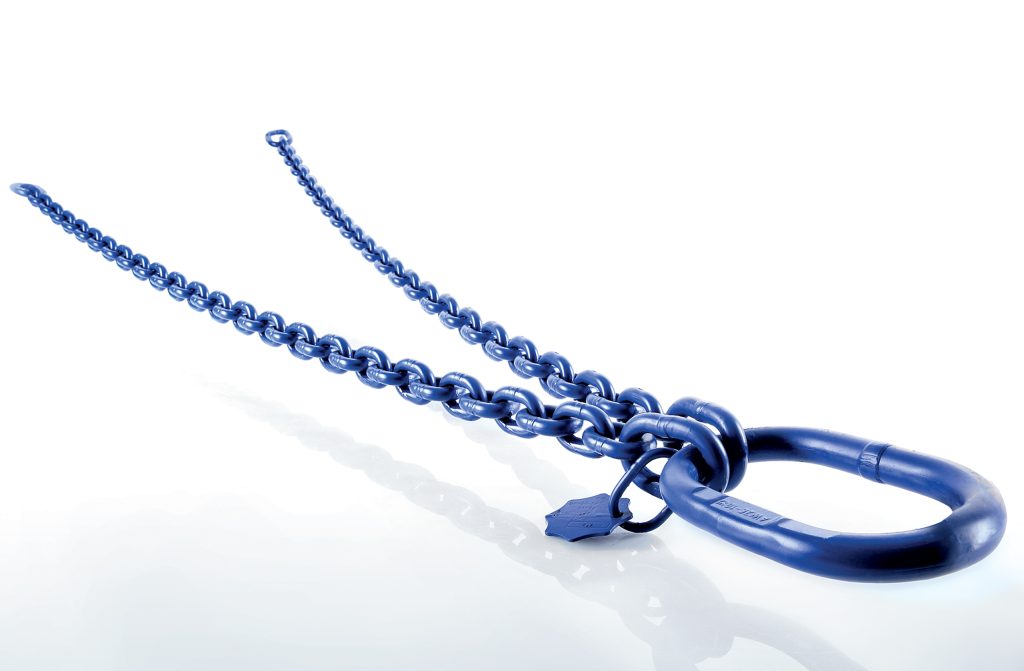
For lifting professionals, understanding the difference between static and dynamic loads is essential for safety and success.
The Clamp You Use Could Make or Break Cleanroom Compliance
The Clamp You Use Could Make or Break Cleanroom Compliance
In lifting operations, clamps are a go-to solution for their versatility, ease of use, and ability to secure materials without permanent modifications like drilling or welding. Their adaptability makes them ideal for temporary or one-time lifts, especially in fast-paced manufacturing or construction environments where speed and flexibility are critical.
However, not all lifting tasks are created equal. When working with delicate, polished, or finished surfaces, traditional clamps can pose a serious risk. Standard models often apply excessive pressure or have abrasive contact points, which can lead to scratches, dents, or surface damage. This is where non-marring clamps become essential. They are engineered specifically to grip securely without leaving a mark.
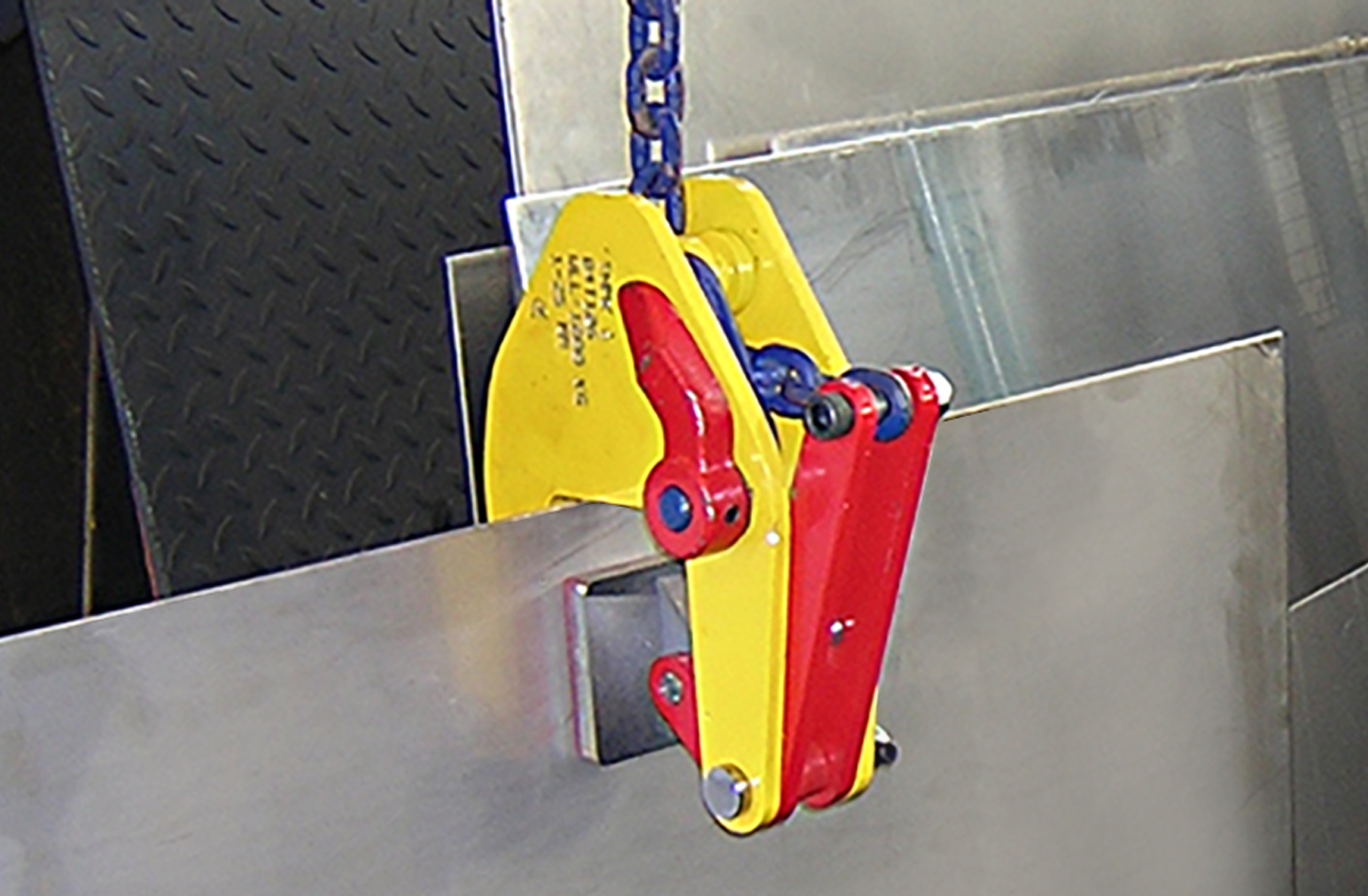
Cleanroom Construction
In industries such as pharmaceuticals, biotechnology, and semiconductor manufacturing, cleanroom environments demand the highest levels of cleanliness and precision. Every material and process is selected to minimize contamination and ensure sterility. Even minor surface imperfections, such as micro-abrasions caused during installation, can compromise compliance with FDA or ISO standards. These imperfections may harbor contaminants or trigger costly audits and production delays.
Whether installing stainless steel wall panels, ceiling components, or custom-built equipment, contractors and technicians must handle materials with extreme care. In tight spaces or during complex installations like HVAC systems or biosafety cabinets, the risk of accidental damage increases. For this reason, using the right clamp is not just a best practice, it is a compliance requirement.
The Case for Non-Marking Clamps
Non-marring clamps are designed with specialized contact surfaces that prevent scratching or denting. This makes them ideal for sensitive materials such as stainless steel, aluminum, glass, and composites. Among the most trusted options on the market are Terrier’s non-marking clamps, which are known for their durability, precision, and surface-safe design.
One standout model is the Terrier TBLC non-marking lifting clamp, purpose-built for cleanroom and high-spec environments. It features:
- Synthetic anti-friction pads to protect surfaces
- Lightweight construction for ease of handling
- Jaw openings from 30 to 500 mm, accommodating a wide range of material sizes
- Working Load Limits (WLL) up to approximately 6,500 lbs, depending on the model
- Maintenance-friendly design with easily replaceable parts
This clamp’s versatility allows operators to use a single tool across multiple applications. As a result, there is less need for multiple clamp types, which streamline both inventory and workflow. The outcome is fewer tools to maintain, lower long-term costs, and improved operational efficiency.
Investing in Compliance and Quality
Cleanroom environments leave no room for error. From construction to maintenance, every tool and technique must support the goal of contamination control and regulatory compliance. Non-marring clamps, especially those from proven manufacturers like Terrier, represent a smart investment in both performance and peace of mind.
Discover More
As lifting demands evolve, so does the hardware. Learn how hoist rings outperform eye bolts in dynamic, multi-directional applications.
From steel mills to shipping docks, manual load handling is still exposing workers to preventable hazards.
For lifting professionals, understanding the difference between static and dynamic loads is essential for safety and success.
Why Crane Hooks Could Be Your Biggest Safety Risk and How to Fix It
Why Crane Hooks Could Be Your Biggest Safety Risk and How to Fix It
Safety remains the top priority in overhead lifting operations but one of the most common risks often goes unnoticed, the manual engagement and release of loads. While everyone recognizes the dangers of falling loads, overloading, or mechanical failure, the act of manually attaching or unhooking a sling still places workers dangerously close to suspended loads—right where no one should ever be.
The Hidden Dangers of Manual Hooking
In many facilities, a rigger must guide or reach into a load’s connection point to attach or release a hook. Even when the load isn’t fully suspended, it can shift or roll unexpectedly during setup, especially if the rigging or slings are uneven. This puts workers at direct risk of crushing, impact, or entanglement injuries. A single worn sling leg, a damaged latch, or a distracted moment can lead to catastrophic outcomes.
Consider a few real-world scenarios:
- Steel Mills: Workers often handle heavy bundles of round bar or rebar that can roll or shift with minimal movement. If a bundle isn’t perfectly balanced when lowered, a single slip can send steel rods tumbling. Add in the heat, steam, limited visibility, and confined spaces typical of these environments, and every manual interaction with the load becomes an amplified hazard.
- Shipping and Logistics: Bulk bags (FIBCs) and irregular cargo present their own challenges. Their soft lifting loops require precise hook placement, which often forces workers to guide them by hand. A mis-threaded loop, damaged webbing, or an unbalanced load can lead to dropped material or worse, serious injury. Workers positioned near or beneath the load during lifting are exposed to the highest risk.
The Safer, Smarter Solution: Remote-Controlled Hooks
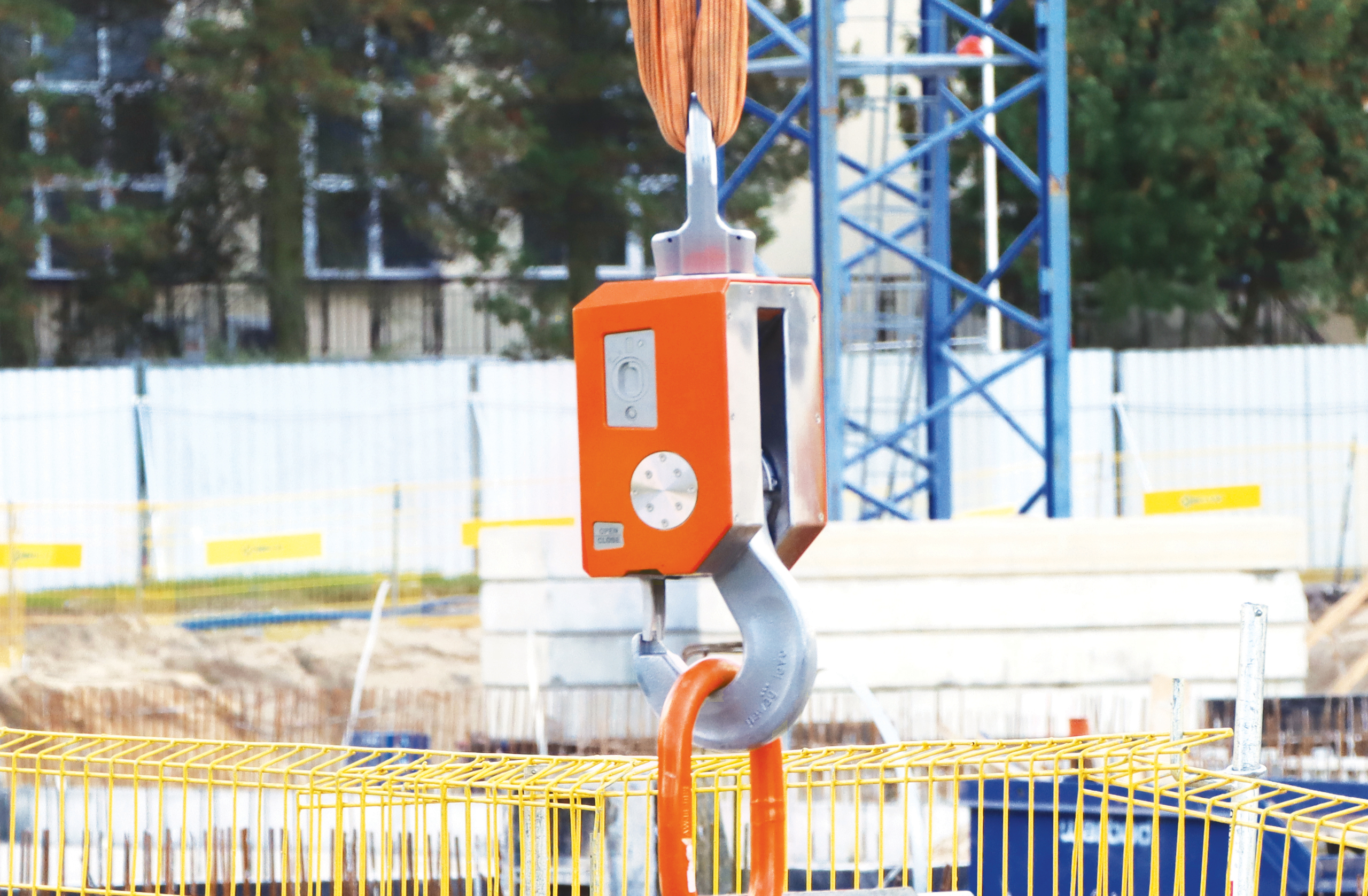
This is where remote-controlled lifting hooks revolutionize how loads are handled. Instead of requiring physical contact with the load, these systems allow workers to attach and release from a safe distance, keeping them away from pinch points, swinging chains, and falling hazards.
With a remote hook, the rigger doesn’t need to climb onto loads, reach into tight spaces, or guide slings by hand. The result:
- No one under suspended loads
- Fewer repetitive-strain injuries
- Reduced risk of dropped loads or accidental disengagement
Meet the pewag levo hook LH
A standout example is the pewag levo hook LH, a certified, radio-controlled lifting hook that automates both the engagement and release process. Designed for industrial reliability, it replaces the manual hook with a technology-driven, ISO 13849-compliant safety system.
The levo hook features:
- Fail-safe communication between remote and hook—preventing accidental release under load
- Patented locking mechanism that requires no tools
- Integrated rotation lock for added security
- High-speed operation, opening and closing in just 2.5 seconds
- Exceptional endurance, capable of 8,000 operating cycles without interruption
From an ergonomic standpoint, operators work comfortably from a safe distance, free from the physical strain of handling slings and hooks in awkward positions. The result is not only greater safety but also smoother workflow, less downtime, and improved overall efficiency.
Raising the Bar for Safety and Productivity
By integrating pewag levo hooks into crane and lifting operations, industries such as steel production, logistics, and manufacturing can dramatically reduce accident risk, protect their workforce, and accelerate every lift cycle. When paired with proper training, such as through the pewag academy, these systems deliver a modern standard of operational safety built on automation and precision.
At the end of the day, remote-controlled hooks aren’t just about adopting new technology, they’re about protecting people. Replacing traditional hooks with the pewag levo hook LH is a clear step toward smarter, safer, and more efficient lifting.
Discover More
As lifting demands evolve, so does the hardware. Learn how hoist rings outperform eye bolts in dynamic, multi-directional applications.
When working with delicate surfaces, non-marking clamps are engineered specifically to grip securely without leaving a mark.
For lifting professionals, understanding the difference between static and dynamic loads is essential for safety and success.
Mastering Motion in Offshore Lifting
For lifting professionals, understanding the difference between static and dynamic loads is essential for safety and success. A static load remains steady and predictable, making it easier to calculate rigging requirements and select the right equipment. However, in real environments, loads rarely stay still. Dynamic loads, which are affected by wind, waves, or sudden motion, are far more common, not just in Offshore. These shifting forces can cause shock loading, dramatically increasing the stress on rigging that can multiply the load’s effective weight several times over. If the equipment isn’t rated for these forces, failure is a real risk.
That is why offshore gear must be rated not just for weight, but also for the stress caused by motion. Safety margins need to be higher, inspections more frequent, and crews trained to respond to changing conditions. Dynamic load monitoring is a valuable tool in this environment. Unlike static systems, it captures real-time force changes, allowing operators to react immediately. This data helps calculate the Dynamic Load Factor (DLF, aka “enhancement factor”), which is a multiplier applied to the static weight to account for motion. In calm seas, the DLF might be 1.3, but in rough conditions, it can rise to 2.0 or even 3.0. A 10-ton load could behave like a 30-ton load under stress, making accurate calculations critical.
Environmental factors like wind, wave height, crane angle, and load shape all influence lifting behavior. Corrosion is another major concern as saltwater exposure can quickly degrade untreated metal. That’s why frequent inspections and corrosion-resistant materials are essential.
Winner Offshore Chain Slings
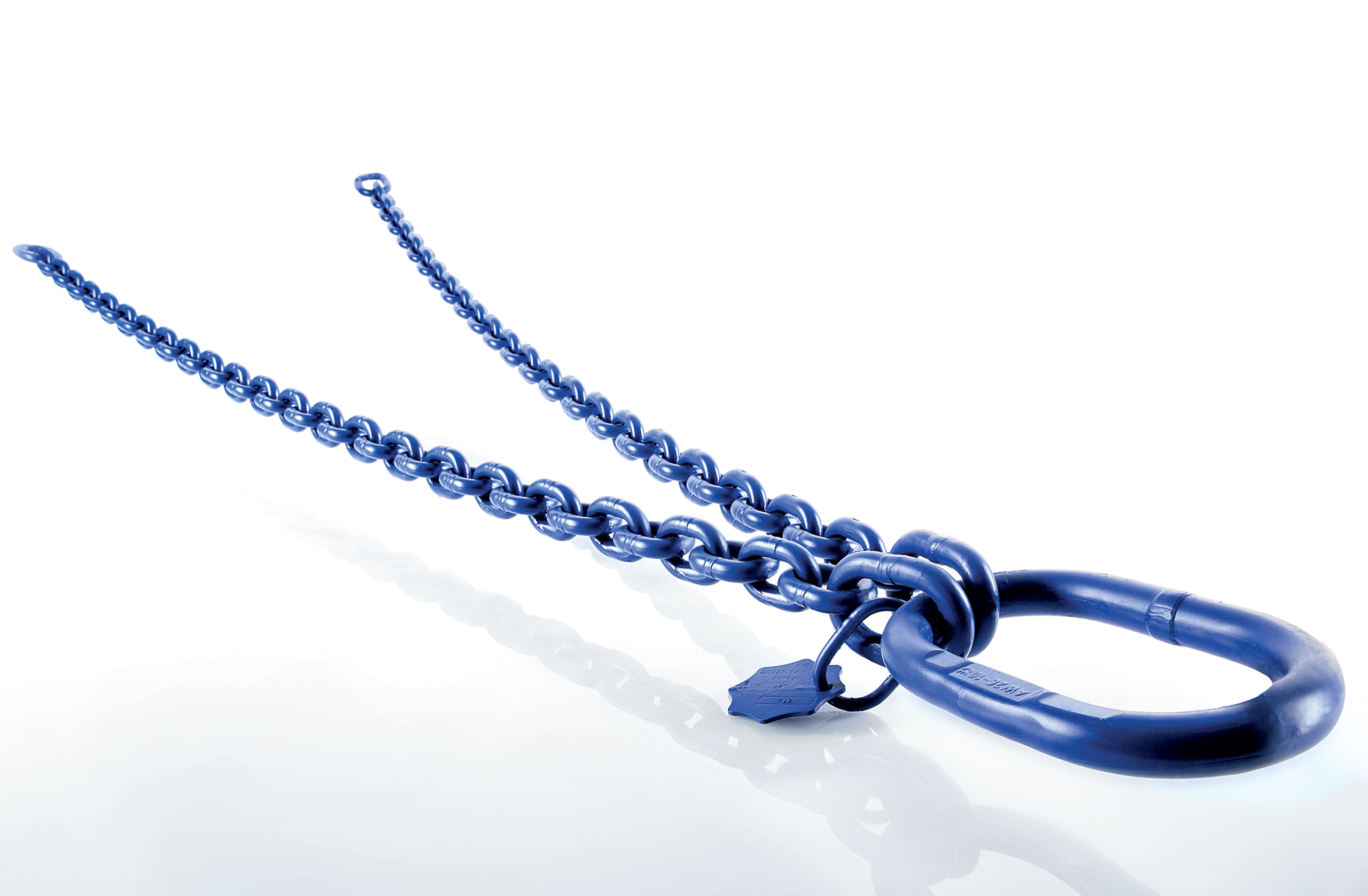
pewag Winner Offshore chain slings are built to meet these challenges. Designed for dynamic loads, they resist fatigue and corrosion and remain strong even at -40°F thanks to specialized heat treatments. Manufactured to the highest standards, including DNV 2.7-1 certification, they offer long service life and reduced maintenance—key for minimizing downtime offshore. And among pewag’s offerings, DNV-certified master links are the most common stand-alone product. Fully functional on their own, they’re a go-to solution for rigging professionals needing reliable, ready-to-use hardware.
Load Monitoring Systems
But strength alone isn’t enough—situational awareness is just as critical. pewag’s advanced load monitoring systems provide real-time insight into forces at play, helping crews detect overloads, adjust strategies, and stay within safe limits. This not only prevents failures but also supports smarter decision-making and post-lift analysis. When paired with high-performance components like pewag’s offshore chains, these systems create a complete rigging solution that enhances both safety and efficiency.
In the end, offshore lifting is as much about preparation and precision as it is about power. Understanding and planning for motion is essential to getting the job done safely and effectively.
Discover More
As lifting demands evolve, so does the hardware. Learn how hoist rings outperform eye bolts in dynamic, multi-directional applications.
When working with delicate surfaces, non-marking clamps are engineered specifically to grip securely without leaving a mark.
From steel mills to shipping docks, manual load handling is still exposing workers to preventable hazards.
The Hidden Cost of Cheap Chains
At first glance, buying a cheaper chain might seem like a smart way to save money. After all, if it looks the same, why pay more? But when it comes to chains used for lifting heavy loads or securing valuable cargo, the true cost of a low-priced product reveals itself over time.

Why Cheap Isn’t Always Smart
Chains made with lower-quality steel might look the same as premium ones, but the differences become clear when tested. One of the biggest issues is strength. Cheaper metals lack the tensile strength needed for demanding jobs. Instead of maintaining their shape, links in the chain may stretch, bend, or twist, especially at the welds or weakest points. This deformation compromises the chain’s integrity and safety, and it could even lead to failure without warning. And when you’re securing something important, that’s not a risk anyone can afford to take.
Also, lifting chains are used in some of the toughest environments imaginable. Foundries, steel mills, and welding bays can expose chains to extreme temperatures that can weaken metal and reduce its load capacity. In Arctic oil fields, temperatures drop so low that metal can become brittle. Marine and offshore settings bring their own set of problems because saltwater is relentless. It corrodes metal fast, and the constant motion from waves and currents adds dynamic stress. In mines, quarries, and cement plants, chains are exposed to particles that grind away at surfaces so they must be built for endurance. And in places like chemical plants or waste treatment facilities, rigging components face exposure to corrosive substances that can eat through metal if it’s not properly selected.
Then there’s the issue of consistency. Chains made with poor materials often come from manufacturers with loose quality control. That can lead to uneven link sizes, weak welds, or other defects that make the chain unpredictable. And in lifting or other safety-critical applications, unpredictability is dangerous. A chain made from subpar materials is simply more likely to break, sometimes without warning. This can lead to dropped loads, damaged equipment, or even serious injuries. Maintenance becomes a constant chore, as you’ll find yourself inspecting, repairing, or replacing these chains more often than you would like. Over time, that adds up, not just in replacement cost but also in time and labor. In industries where time is money, a broken chain can bring everything to a halt. Whether it’s a delayed construction project or a machine that’s out of commission, the cost of lost productivity can far exceed the price of a better chain.
Strength Matters
But if you are serious about safety, efficiency, and long-term value, there is a better option. pewag Grade 120 chains are built for professionals who can’t afford to take chances.
These chains aren’t just strong—they’re engineered to outperform. Grade 120 offers one of the highest strength-to-weight ratios available today. Compared to Grade 80, they are about 50% stronger. Even against Grade 100, they deliver roughly 20% more strength. That means you can lift heavier loads with a lighter chain, making rigging easier to handle and reducing strain on your equipment and crew.
But strength is only part of the story. pewag Grade 120 chain and components are built for extreme durability. They are engineered to resist wear and deformation, even in the harshest environments. And pewag chains are manufactured under strict quality control that meet or exceed international safety standards.
While the upfront cost is higher, the long-term savings are real. Fewer replacements, less downtime, and reduced maintenance all add up. pewag chains are built to last, helping you avoid those costly interruptions.
Discover More
As lifting demands evolve, so does the hardware. Learn how hoist rings outperform eye bolts in dynamic, multi-directional applications.
When working with delicate surfaces, non-marking clamps are engineered specifically to grip securely without leaving a mark.
From steel mills to shipping docks, manual load handling is still exposing workers to preventable hazards.