







Why Crane Hooks Could Be Your Biggest Safety Risk and How to Fix It
Why Crane Hooks Could Be Your Biggest Safety Risk and How to Fix It
Safety remains the top priority in overhead lifting operations but one of the most common risks often goes unnoticed, the manual engagement and release of loads. While everyone recognizes the dangers of falling loads, overloading, or mechanical failure, the act of manually attaching or unhooking a sling still places workers dangerously close to suspended loads—right where no one should ever be.
The Hidden Dangers of Manual Hooking
In many facilities, a rigger must guide or reach into a load’s connection point to attach or release a hook. Even when the load isn’t fully suspended, it can shift or roll unexpectedly during setup, especially if the rigging or slings are uneven. This puts workers at direct risk of crushing, impact, or entanglement injuries. A single worn sling leg, a damaged latch, or a distracted moment can lead to catastrophic outcomes.
Consider a few real-world scenarios:
- Steel Mills: Workers often handle heavy bundles of round bar or rebar that can roll or shift with minimal movement. If a bundle isn’t perfectly balanced when lowered, a single slip can send steel rods tumbling. Add in the heat, steam, limited visibility, and confined spaces typical of these environments, and every manual interaction with the load becomes an amplified hazard.
- Shipping and Logistics: Bulk bags (FIBCs) and irregular cargo present their own challenges. Their soft lifting loops require precise hook placement, which often forces workers to guide them by hand. A mis-threaded loop, damaged webbing, or an unbalanced load can lead to dropped material or worse, serious injury. Workers positioned near or beneath the load during lifting are exposed to the highest risk.
The Safer, Smarter Solution: Remote-Controlled Hooks
This is where remote-controlled lifting hooks revolutionize how loads are handled. Instead of requiring physical contact with the load, these systems allow workers to attach and release from a safe distance, keeping them away from pinch points, swinging chains, and falling hazards.
With a remote hook, the rigger doesn’t need to climb onto loads, reach into tight spaces, or guide slings by hand. The result:
- No one under suspended loads
- Fewer repetitive-strain injuries
- Reduced risk of dropped loads or accidental disengagement
Meet the pewag levo hook LH
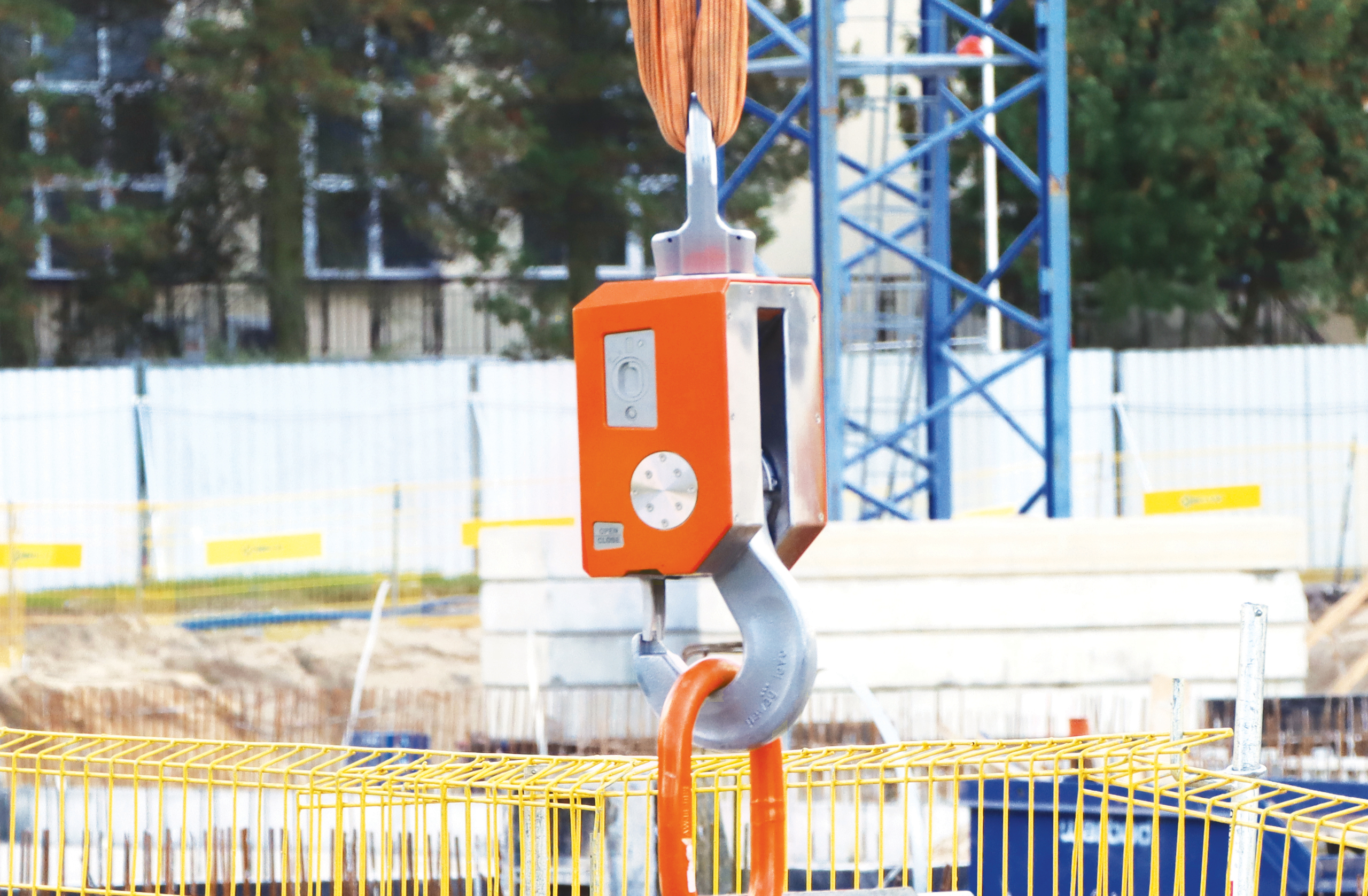
A standout example is the pewag levo hook LH, a certified, radio-controlled lifting hook that automates both the engagement and release process. Designed for industrial reliability, it replaces the manual hook with a technology-driven, ISO 13849-compliant safety system.
The levo hook features:
- Fail-safe communication between remote and hook—preventing accidental release under load
- Patented locking mechanism that requires no tools
- Integrated rotation lock for added security
- High-speed operation, opening and closing in just 2.5 seconds
- Exceptional endurance, capable of 8,000 operating cycles without interruption
From an ergonomic standpoint, operators work comfortably from a safe distance, free from the physical strain of handling slings and hooks in awkward positions. The result is not only greater safety but also smoother workflow, less downtime, and improved overall efficiency.
Raising the Bar for Safety and Productivity
By integrating pewag levo hooks into crane and lifting operations, industries such as steel production, logistics, and manufacturing can dramatically reduce accident risk, protect their workforce, and accelerate every lift cycle. When paired with proper training, such as through the pewag academy, these systems deliver a modern standard of operational safety built on automation and precision.
At the end of the day, remote-controlled hooks aren’t just about adopting new technology, they’re about protecting people. Replacing traditional hooks with the pewag levo hook LH is a clear step toward smarter, safer, and more efficient lifting.
Discover More
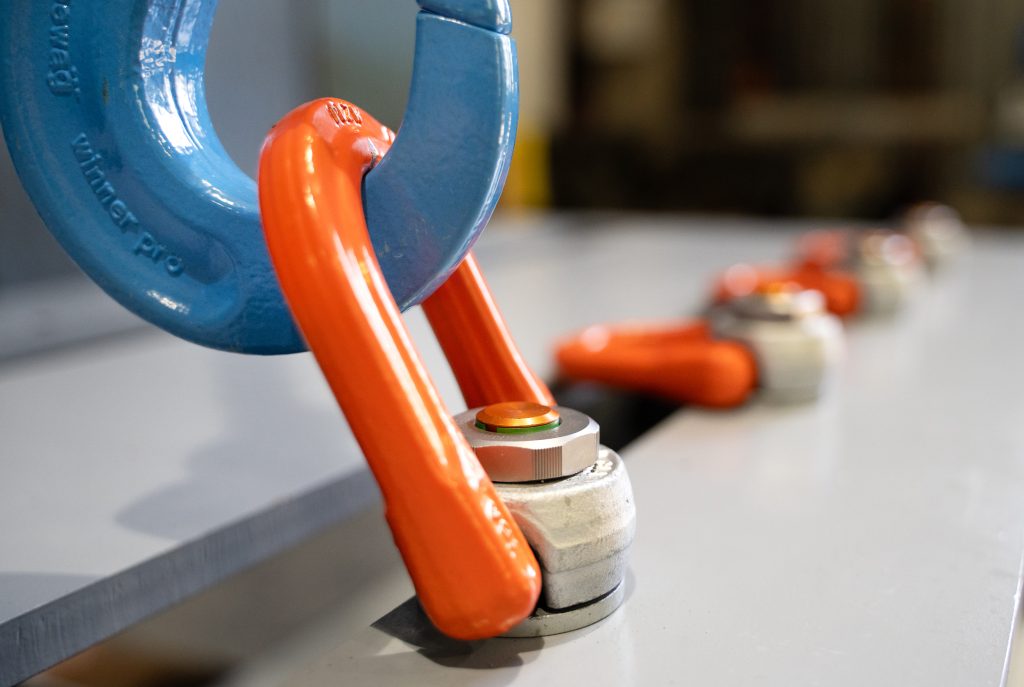
As lifting demands evolve, so does the hardware. Learn how hoist rings outperform eye bolts in dynamic, multi-directional applications.
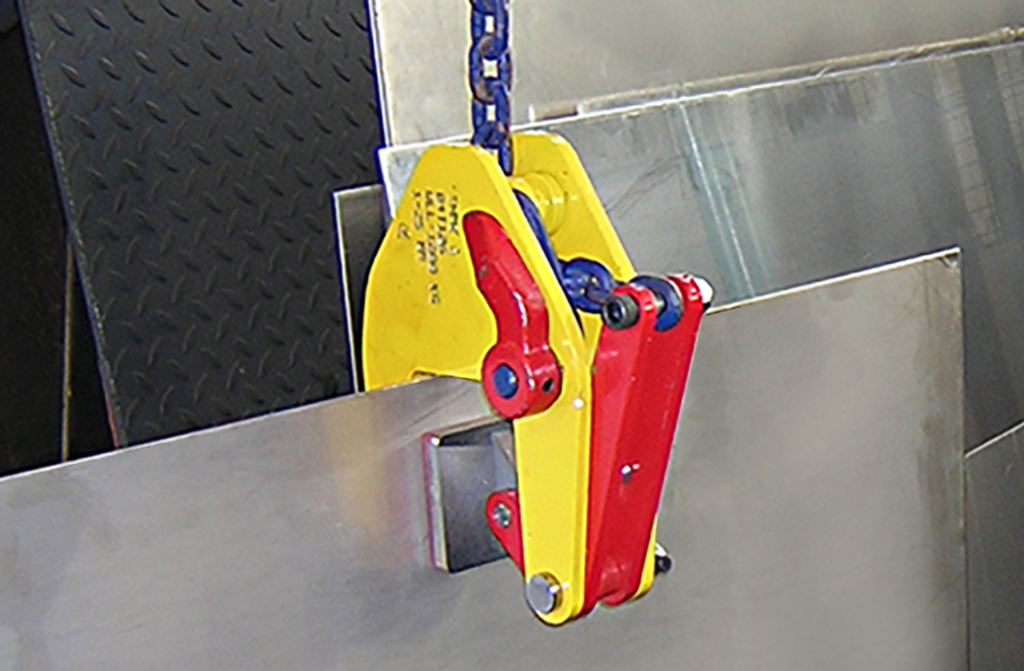
When working with delicate surfaces, non-marking clamps are engineered specifically to grip securely without leaving a mark.
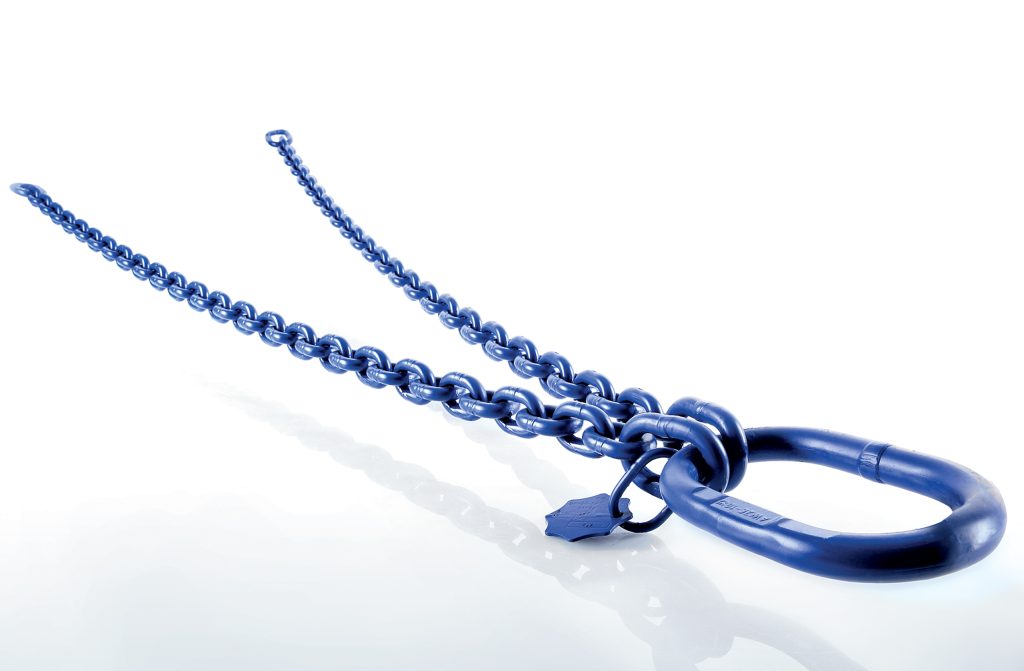
For lifting professionals, understanding the difference between static and dynamic loads is essential for safety and success.