









Beyond the Bolt: Why Lifting Points Are Reshaping Rigging Safety
Beyond the Bolt: Why Lifting Points Are Reshaping Rigging Safety
In heavy lifting operations, selecting the appropriate attachment hardware is essential to ensuring safety, efficiency, and operational success. Whether you’re lifting a steel beam, repositioning structural components, or managing modular assemblies, the decision between eye bolts and lifting points plays a critical role in the safety and success of the operation. While these components may appear similar at first glance, they differ substantially in design, performance, and application.
What Are Eye Bolts?
Eye bolts are a long-standing staple in heavy lifting, valued for their reliability and versatility in rigging, anchoring, pulling, and hoisting applications. Their design is simple, just a threaded shank with a looped head, and they are widely available, easy to install, and cost-effective. Eye bolts were among the first standardized lifting attachments used in industrial rigging, well-suited for vertical load paths. However, when used for angular lifts, their working load limit (WLL) must be significantly reduced to ensure safe operation. As lifting operations have become more complex and safety standards more rigorous, this limitation has led to the development and increased use of engineered lifting points, which offer greater versatility, safety, and performance.
What Are Lifting Points?
Designed to handle multi-directional forces, including angular and rotational loads, lifting points often feature swivel or rotating mechanisms that allow the hardware to align with the direction of pull while maintaining the full WLL. This adaptability makes them essential in industries where load orientation can vary significantly and where rotating, pivoting, or manipulating a load beyond a straight, in-line lift is required. They are especially critical when loads need to be side-mounted or repositioned during handling, ensuring safe and efficient lifting even in complex orientations.
Lifting points are specifically engineered for repeated use in high-cycle environments, where loads are lifted, moved, and repositioned frequently. Their robust design, often incorporating forged alloy steel and precision-machined components, provides superior fatigue resistance, making them ideal for demanding applications such as manufacturing lines, construction sites, and offshore operations.
Unlike traditional eye bolts, which may degrade more quickly under repeated stress, especially in environments with vibration, shock loading, or angular force, lifting points are built to maintain integrity over time. Features like load-distributing swivel mechanisms and secure bolt engagement help reduce wear and tear, ensuring consistent performance and safety across thousands of lift cycles.
Industry Trends
The heavy lifting industry is undergoing a notable shift toward engineered lifting solutions, driven by increasing safety standards, evolving load complexities, and the demand for greater operational efficiency. One of the most prominent trends is the integration of rotating lifting points, which allow for safer handling of dynamic loads. These advancements reflect a broader industry commitment to proactive risk management, where the focus is shifting from reactive safety measures to preventative engineering and smarter rigging practices.
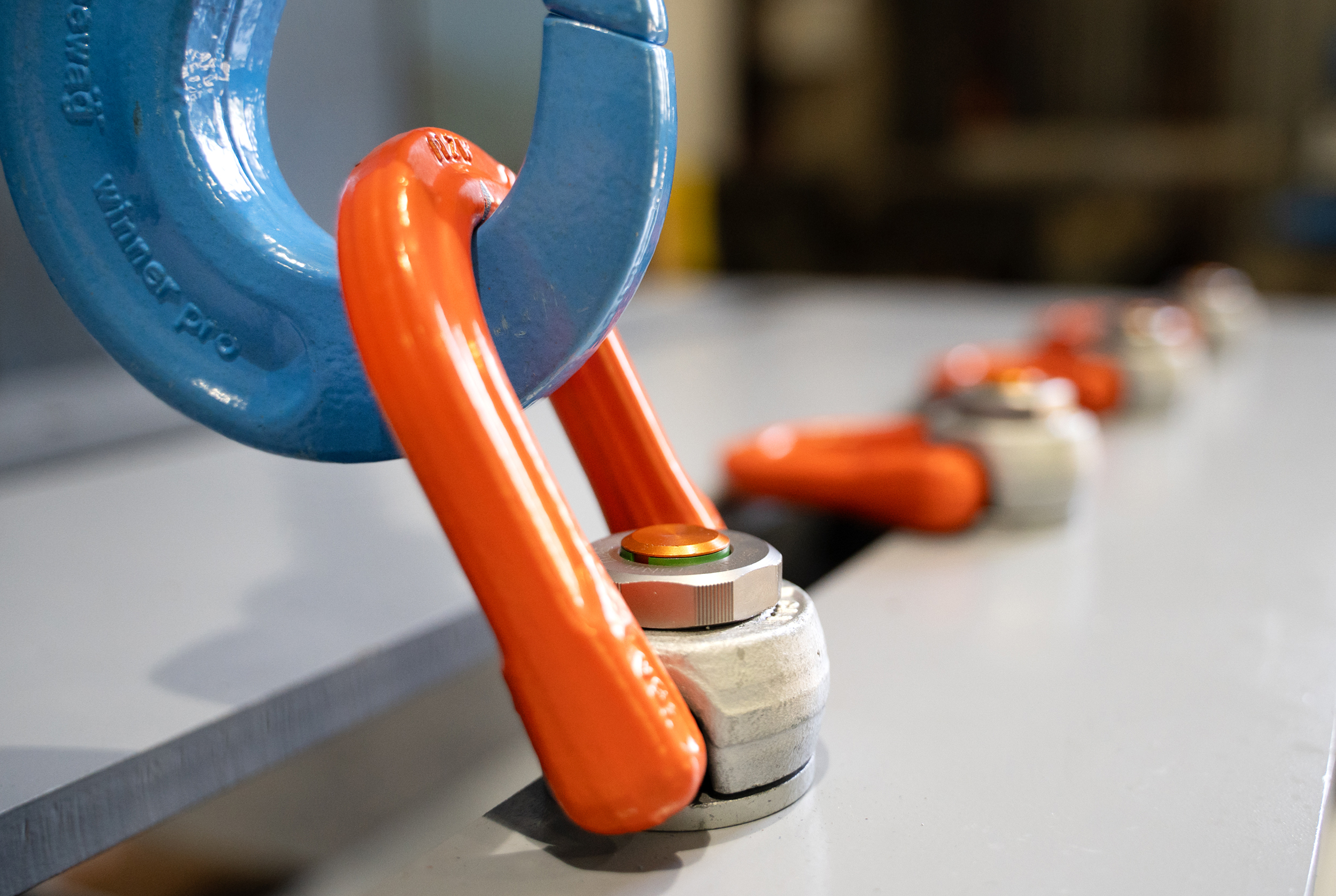
Embodying this shift, the pewag PLZW-R rapid represents a standout advancement in the lifting point market, offering a combination of 360° rotation and 180° pivoting with a tool-free, click-and-go assembly. Unlike traditional eye bolts or fixed lifting points, which require tools for installation and are limited in directional flexibility, the PLZW-R Rapid allows for quick, hand-tightened installation and multi-directional load alignment. This not only reduces setup time but also enhances safety by ensuring the lifting point can always align with the direction of the load. Its green ring safety indicator provides clear visual confirmation of proper locking, making it ideal for dynamic environments where speed, safety, and adaptability are critical.
Ultimately, the choice between eye bolts and lifting points depends on the specific requirements of the lift. For simple, vertical lifts with predictable load paths, eye bolts may be sufficient. However, for dynamic, multi-directional, or high-risk operations, lifting points offer superior safety, performance, and reliability. Rigging professionals should evaluate each lifting scenario carefully and prioritize engineered solutions where appropriate.
Discover More
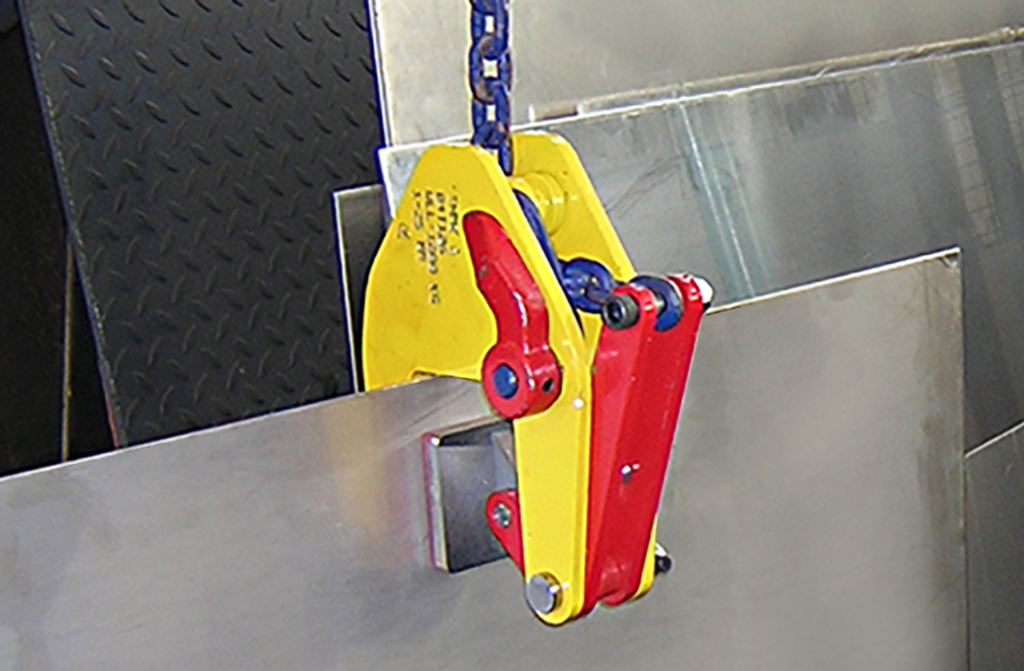
When working with delicate surfaces, non-marking clamps are engineered specifically to grip securely without leaving a mark.
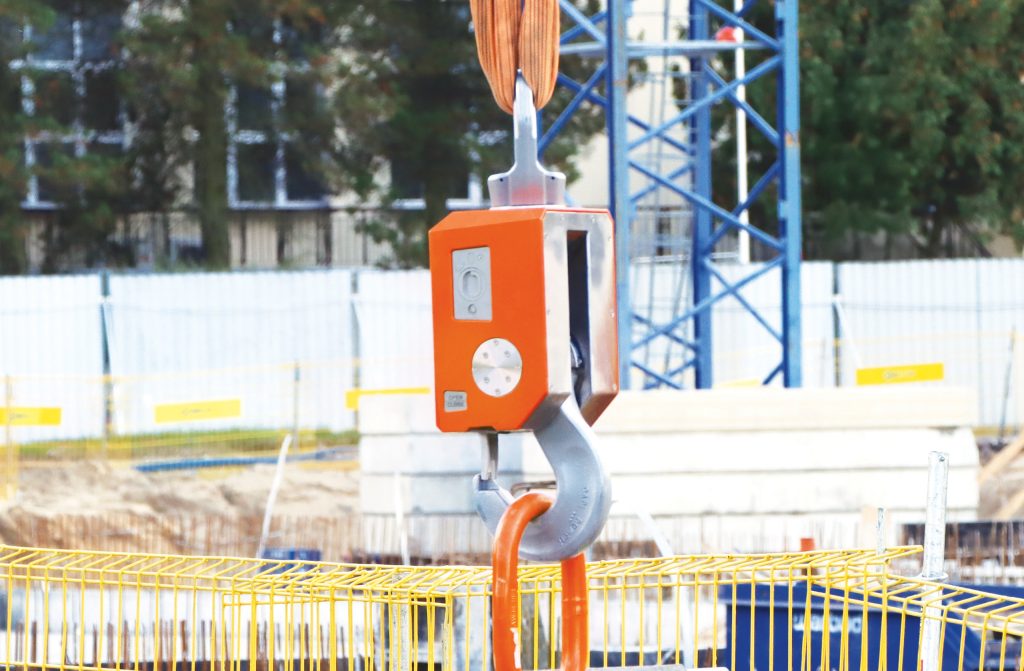
From steel mills to shipping docks, manual load handling is still exposing workers to preventable hazards.
For lifting professionals, understanding the difference between static and dynamic loads is essential for safety and success.