






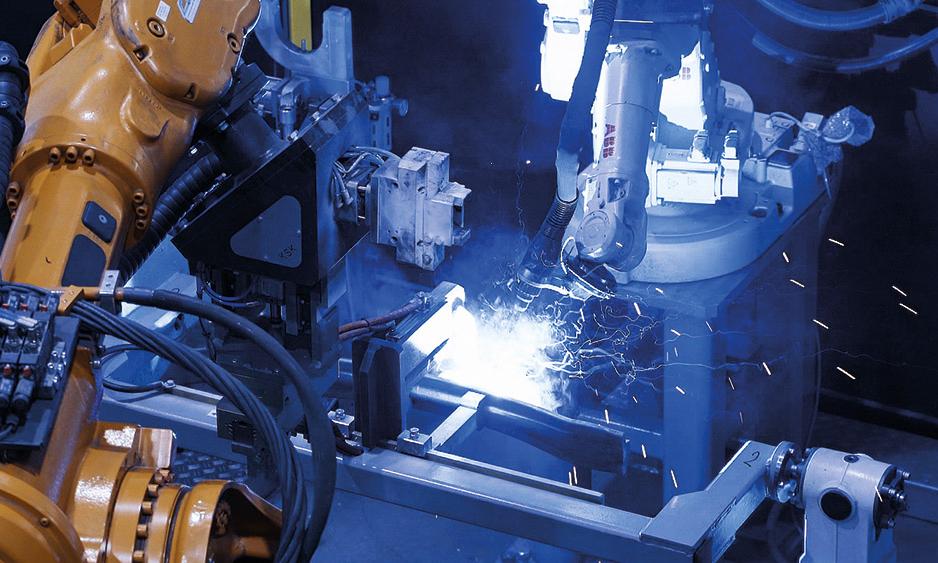



Mastering Motion in Offshore Lifting
For lifting professionals, understanding the difference between static and dynamic loads is essential for safety and success. A static load remains steady and predictable, making it easier to calculate rigging requirements and select the right equipment. However, in real environments, loads rarely stay still. Dynamic loads, which are affected by wind, waves, or sudden motion, are far more common, not just in Offshore. These shifting forces can cause shock loading, dramatically increasing the stress on rigging that can multiply the load’s effective weight several times over. If the equipment isn’t rated for these forces, failure is a real risk.
That is why offshore gear must be rated not just for weight, but also for the stress caused by motion. Safety margins need to be higher, inspections more frequent, and crews trained to respond to changing conditions. Dynamic load monitoring is a valuable tool in this environment. Unlike static systems, it captures real-time force changes, allowing operators to react immediately. This data helps calculate the Dynamic Load Factor (DLF, aka “enhancement factor”), which is a multiplier applied to the static weight to account for motion. In calm seas, the DLF might be 1.3, but in rough conditions, it can rise to 2.0 or even 3.0. A 10-ton load could behave like a 30-ton load under stress, making accurate calculations critical.
Environmental factors like wind, wave height, crane angle, and load shape all influence lifting behavior. Corrosion is another major concern as saltwater exposure can quickly degrade untreated metal. That’s why frequent inspections and corrosion-resistant materials are essential.
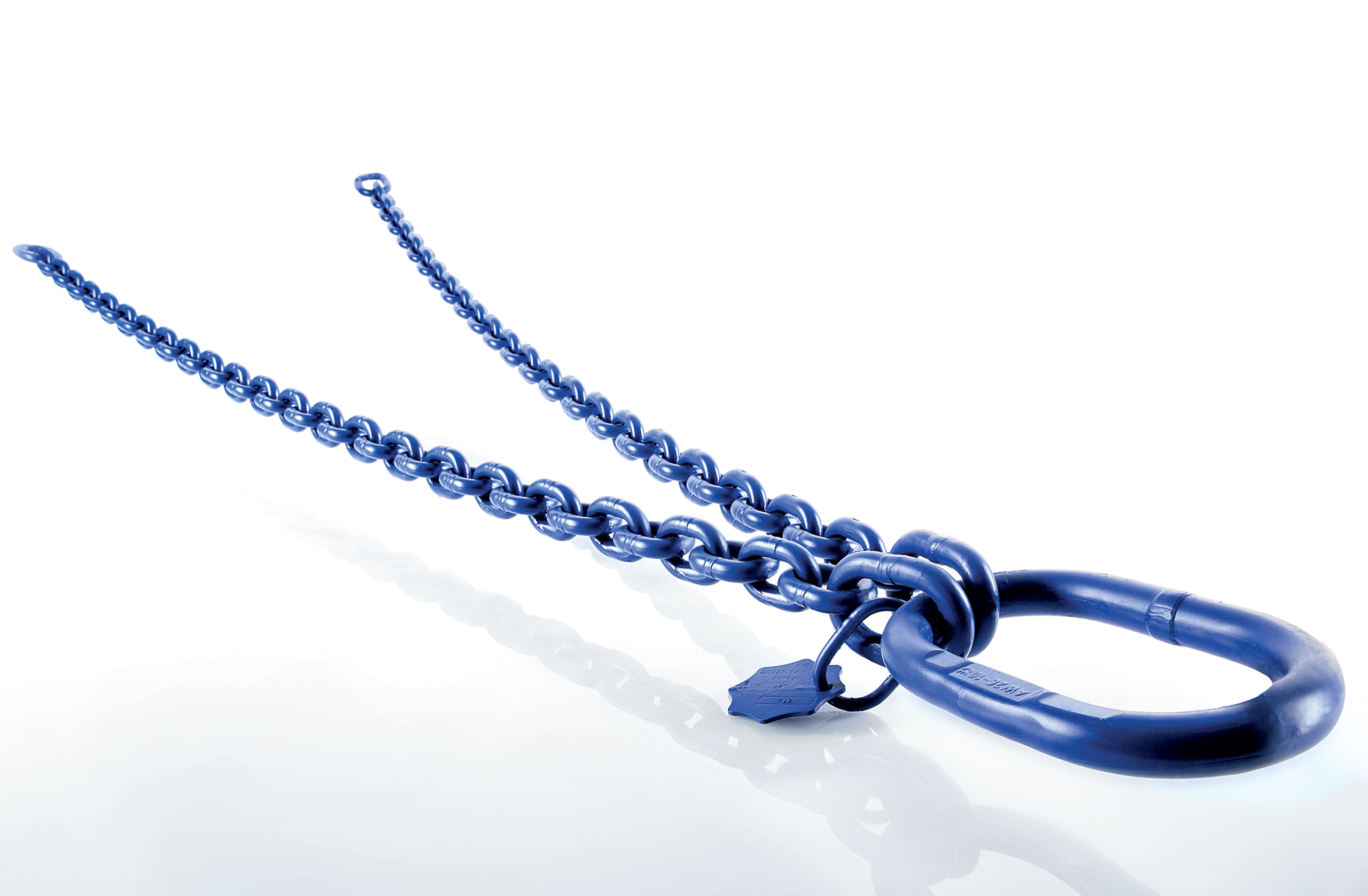
Winner Offshore Chain Slings
pewag Winner Offshore chain slings are built to meet these challenges. Designed for dynamic loads, they resist fatigue and corrosion and remain strong even at -40°F thanks to specialized heat treatments. Manufactured to the highest standards, including DNV 2.7-1 certification, they offer long service life and reduced maintenance—key for minimizing downtime offshore. And among pewag’s offerings, DNV-certified master links are the most common stand-alone product. Fully functional on their own, they’re a go-to solution for rigging professionals needing reliable, ready-to-use hardware.
Load Monitoring Systems
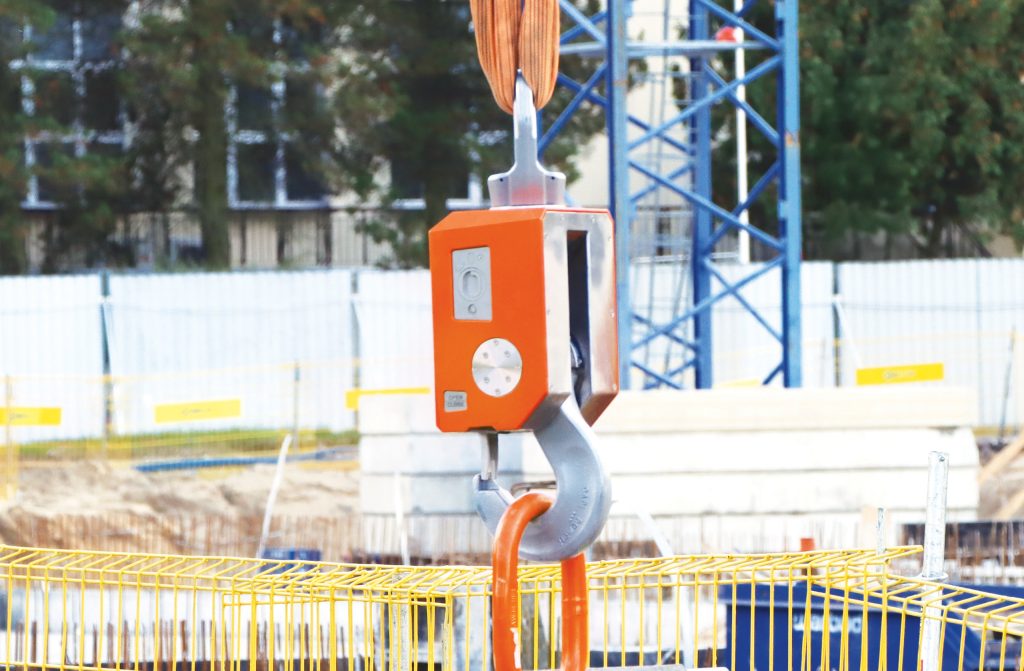
But strength alone isn’t enough—situational awareness is just as critical. pewag’s advanced load monitoring systems provide real-time insight into forces at play, helping crews detect overloads, adjust strategies, and stay within safe limits. This not only prevents failures but also supports smarter decision-making and post-lift analysis. When paired with high-performance components like pewag’s offshore chains, these systems create a complete rigging solution that enhances both safety and efficiency.
In the end, offshore lifting is as much about preparation and precision as it is about power. Understanding and planning for motion is essential to getting the job done safely and effectively.
Discover More
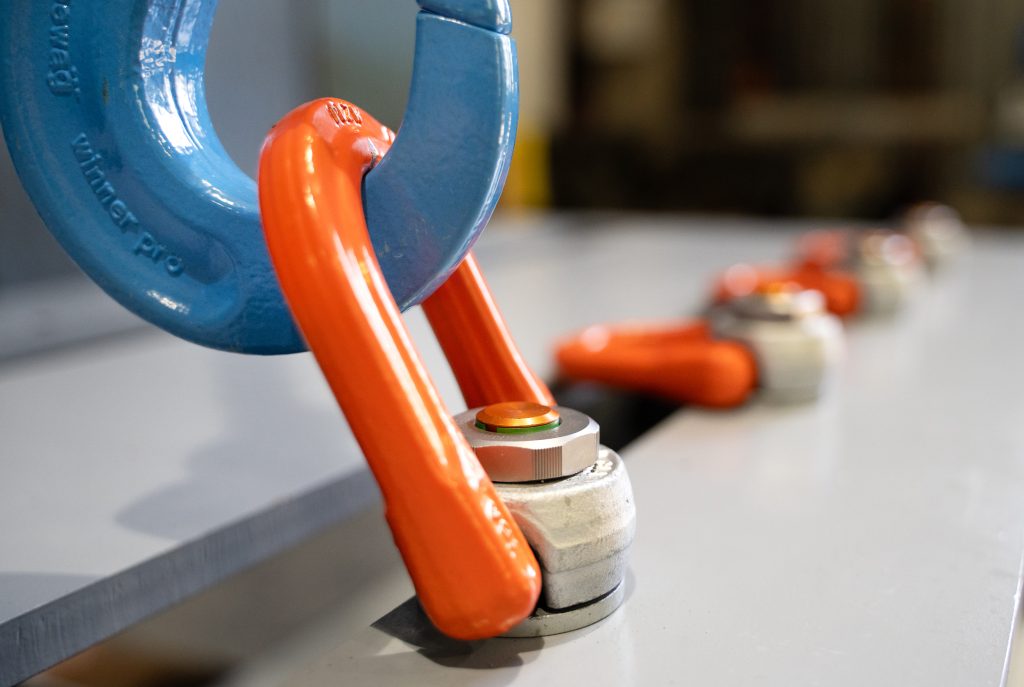
As lifting demands evolve, so does the hardware. Learn how hoist rings outperform eye bolts in dynamic, multi-directional applications.
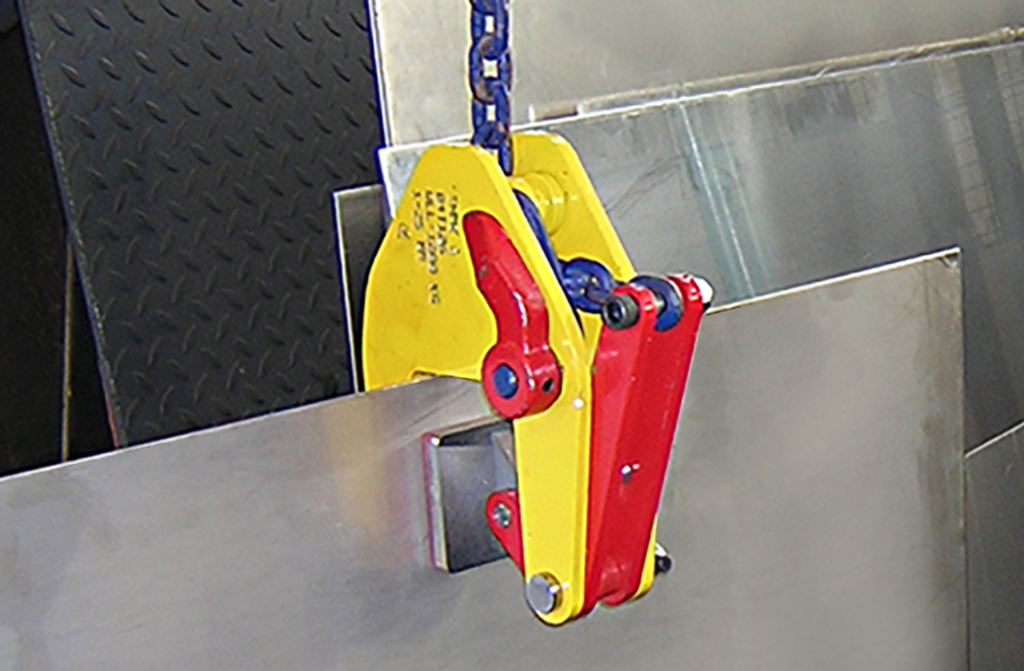
When working with delicate surfaces, non-marking clamps are engineered specifically to grip securely without leaving a mark.
From steel mills to shipping docks, manual load handling is still exposing workers to preventable hazards.