








The Hidden Cost of Cheap Chains
At first glance, buying a cheaper chain might seem like a smart way to save money. After all, if it looks the same, why pay more? But when it comes to chains used for lifting heavy loads or securing valuable cargo, the true cost of a low-priced product reveals itself over time.

Why Cheap Isn’t Always Smart
Chains made with lower-quality steel might look the same as premium ones, but the differences become clear when tested. One of the biggest issues is strength. Cheaper metals lack the tensile strength needed for demanding jobs. Instead of maintaining their shape, links in the chain may stretch, bend, or twist, especially at the welds or weakest points. This deformation compromises the chain’s integrity and safety, and it could even lead to failure without warning. And when you’re securing something important, that’s not a risk anyone can afford to take.
Also, lifting chains are used in some of the toughest environments imaginable. Foundries, steel mills, and welding bays can expose chains to extreme temperatures that can weaken metal and reduce its load capacity. In Arctic oil fields, temperatures drop so low that metal can become brittle. Marine and offshore settings bring their own set of problems because saltwater is relentless. It corrodes metal fast, and the constant motion from waves and currents adds dynamic stress. In mines, quarries, and cement plants, chains are exposed to particles that grind away at surfaces so they must be built for endurance. And in places like chemical plants or waste treatment facilities, rigging components face exposure to corrosive substances that can eat through metal if it’s not properly selected.
Then there’s the issue of consistency. Chains made with poor materials often come from manufacturers with loose quality control. That can lead to uneven link sizes, weak welds, or other defects that make the chain unpredictable. And in lifting or other safety-critical applications, unpredictability is dangerous. A chain made from subpar materials is simply more likely to break, sometimes without warning. This can lead to dropped loads, damaged equipment, or even serious injuries. Maintenance becomes a constant chore, as you’ll find yourself inspecting, repairing, or replacing these chains more often than you would like. Over time, that adds up, not just in replacement cost but also in time and labor. In industries where time is money, a broken chain can bring everything to a halt. Whether it’s a delayed construction project or a machine that’s out of commission, the cost of lost productivity can far exceed the price of a better chain.
Strength Matters
But if you are serious about safety, efficiency, and long-term value, there is a better option. pewag Grade 120 chains are built for professionals who can’t afford to take chances.
These chains aren’t just strong—they’re engineered to outperform. Grade 120 offers one of the highest strength-to-weight ratios available today. Compared to Grade 80, they are about 50% stronger. Even against Grade 100, they deliver roughly 20% more strength. That means you can lift heavier loads with a lighter chain, making rigging easier to handle and reducing strain on your equipment and crew.
But strength is only part of the story. pewag Grade 120 chain and components are built for extreme durability. They are engineered to resist wear and deformation, even in the harshest environments. And pewag chains are manufactured under strict quality control that meet or exceed international safety standards.
While the upfront cost is higher, the long-term savings are real. Fewer replacements, less downtime, and reduced maintenance all add up. pewag chains are built to last, helping you avoid those costly interruptions.
Discover More
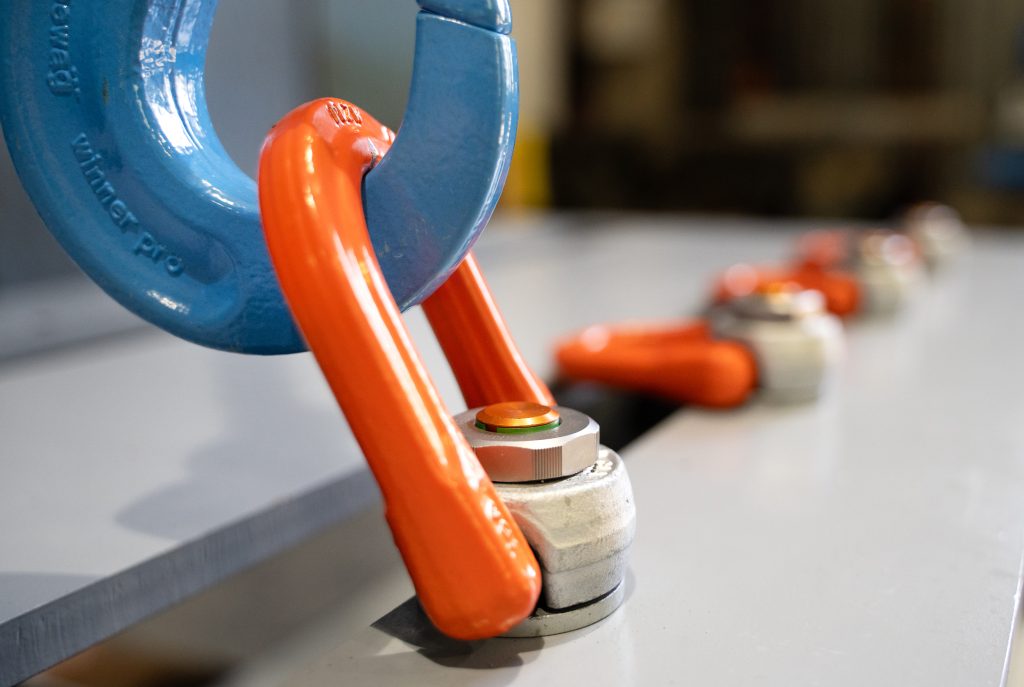
As lifting demands evolve, so does the hardware. Learn how hoist rings outperform eye bolts in dynamic, multi-directional applications.
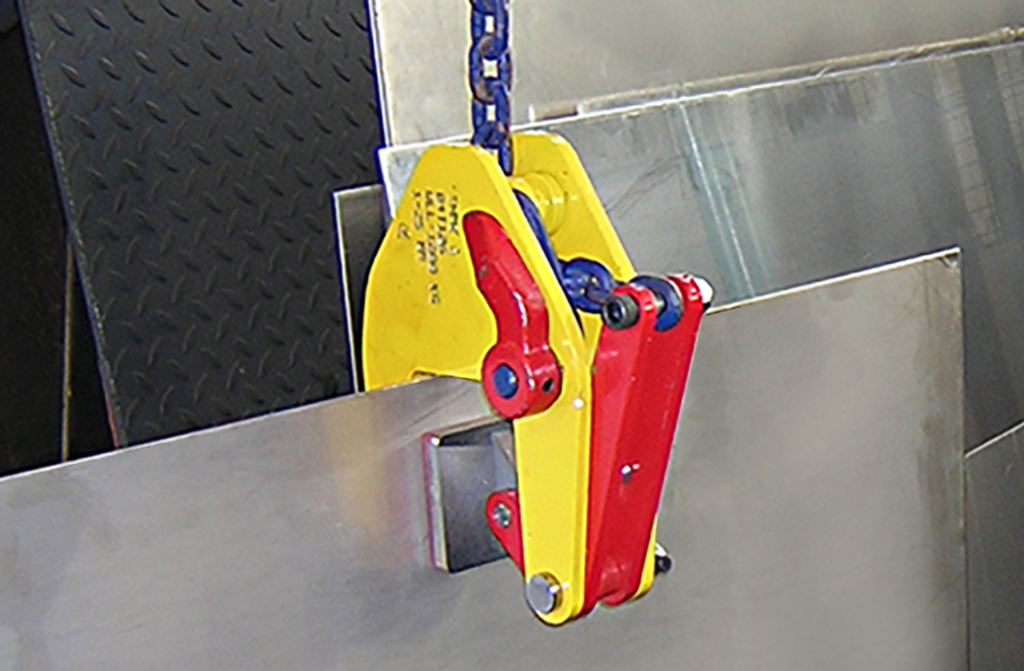
When working with delicate surfaces, non-marking clamps are engineered specifically to grip securely without leaving a mark.
From steel mills to shipping docks, manual load handling is still exposing workers to preventable hazards.