








The Clamp You Use Could Make or Break Cleanroom Compliance
The Clamp You Use Could Make or Break Cleanroom Compliance
In lifting operations, clamps are a go-to solution for their versatility, ease of use, and ability to secure materials without permanent modifications like drilling or welding. Their adaptability makes them ideal for temporary or one-time lifts, especially in fast-paced manufacturing or construction environments where speed and flexibility are critical.
However, not all lifting tasks are created equal. When working with delicate, polished, or finished surfaces, traditional clamps can pose a serious risk. Standard models often apply excessive pressure or have abrasive contact points, which can lead to scratches, dents, or surface damage. This is where non-marring clamps become essential. They are engineered specifically to grip securely without leaving a mark.
Cleanroom Construction
In industries such as pharmaceuticals, biotechnology, and semiconductor manufacturing, cleanroom environments demand the highest levels of cleanliness and precision. Every material and process is selected to minimize contamination and ensure sterility. Even minor surface imperfections, such as micro-abrasions caused during installation, can compromise compliance with FDA or ISO standards. These imperfections may harbor contaminants or trigger costly audits and production delays.
Whether installing stainless steel wall panels, ceiling components, or custom-built equipment, contractors and technicians must handle materials with extreme care. In tight spaces or during complex installations like HVAC systems or biosafety cabinets, the risk of accidental damage increases. For this reason, using the right clamp is not just a best practice, it is a compliance requirement.
The Case for Non-Marking Clamps
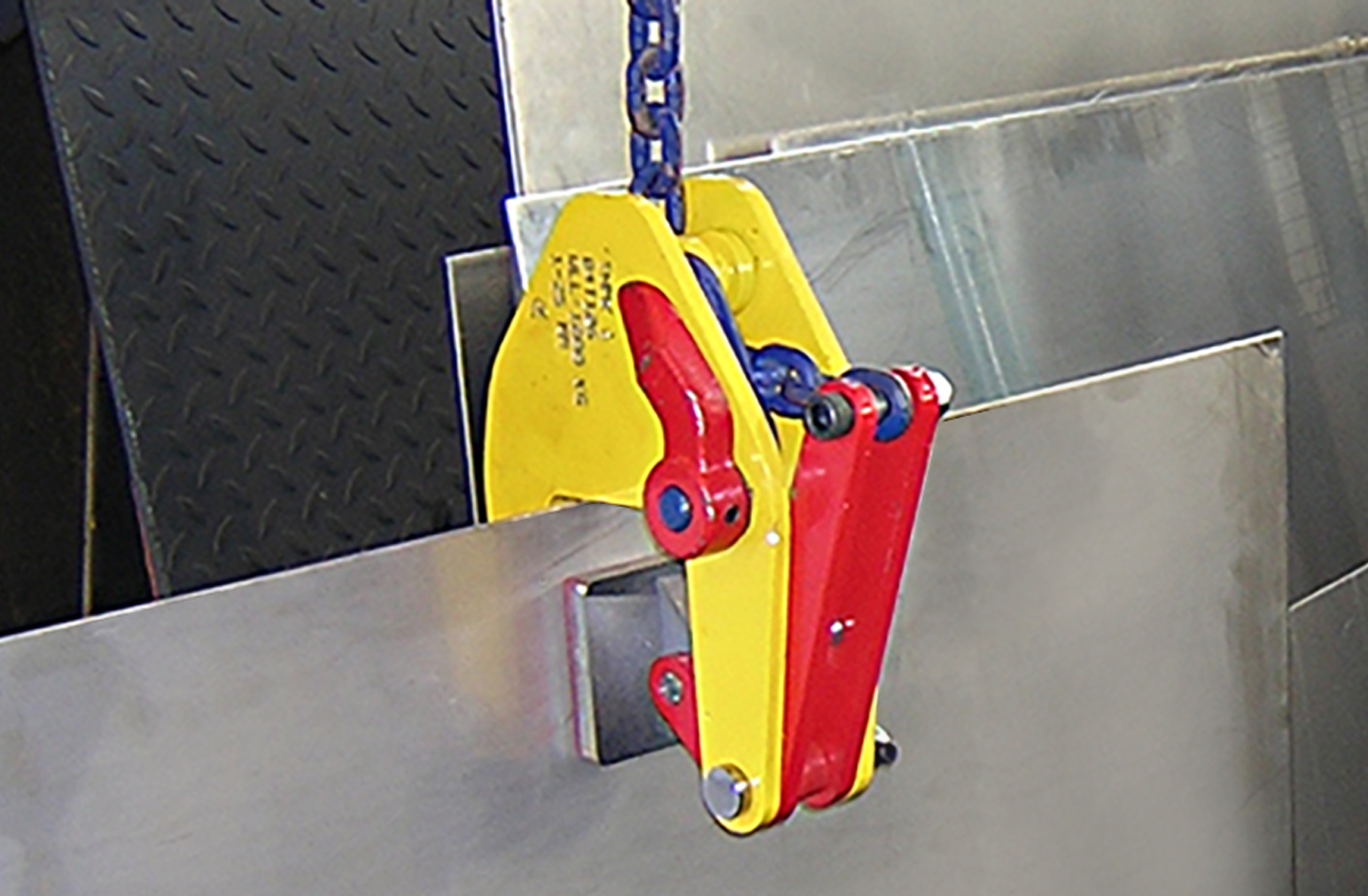
Non-marring clamps are designed with specialized contact surfaces that prevent scratching or denting. This makes them ideal for sensitive materials such as stainless steel, aluminum, glass, and composites. Among the most trusted options on the market are Terrier’s non-marking clamps, which are known for their durability, precision, and surface-safe design.
One standout model is the Terrier TBLC non-marking lifting clamp, purpose-built for cleanroom and high-spec environments. It features:
- Synthetic anti-friction pads to protect surfaces
- Lightweight construction for ease of handling
- Jaw openings from 30 to 500 mm, accommodating a wide range of material sizes
- Working Load Limits (WLL) up to approximately 6,500 lbs, depending on the model
- Maintenance-friendly design with easily replaceable parts
This clamp’s versatility allows operators to use a single tool across multiple applications. As a result, there is less need for multiple clamp types, which streamline both inventory and workflow. The outcome is fewer tools to maintain, lower long-term costs, and improved operational efficiency.
Investing in Compliance and Quality
Cleanroom environments leave no room for error. From construction to maintenance, every tool and technique must support the goal of contamination control and regulatory compliance. Non-marring clamps, especially those from proven manufacturers like Terrier, represent a smart investment in both performance and peace of mind.
Discover More
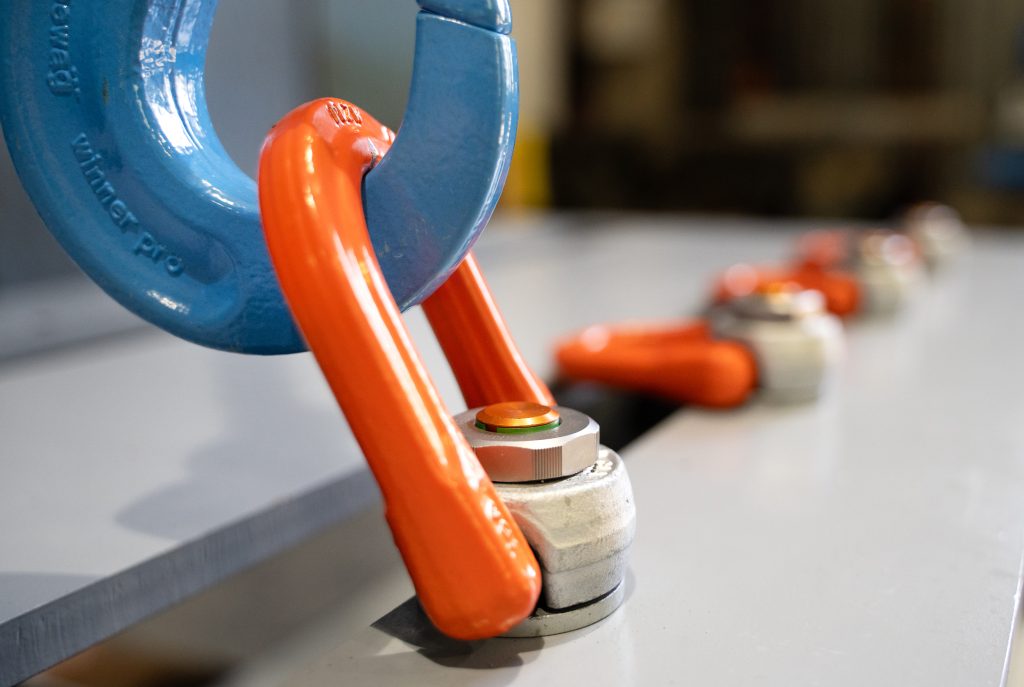
As lifting demands evolve, so does the hardware. Learn how hoist rings outperform eye bolts in dynamic, multi-directional applications.
From steel mills to shipping docks, manual load handling is still exposing workers to preventable hazards.
For lifting professionals, understanding the difference between static and dynamic loads is essential for safety and success.